 English
 русский
 عربى
عربى Español
Qinlang focuses on providing high-quality products and considerate services, and is committed to meeting every expectation of our customers.
The DKT-133 Cooling Ventilation Double Inlet Air Conditioning Fan is d...
See Details
In many ventilation systems, airflow and sound do not behave like separate things, even though they are often treated that way during planning, since once rotation starts, air movement and vibration begin shaping each other in small continuous ways that slowly build up through long operation.
A Low Noise Axial Fan is usually placed in situations where air needs to keep moving without interruption, while sound still needs to stay within a calm range that does not disturb nearby activity, so both airflow and acoustic behavior end up sharing the same space and influencing each other over time.
When airflow feels stable, temperature inside a space does not swing too much, and when sound stays controlled, long running periods feel easier to tolerate, especially in enclosed environments where reflections can quietly amplify even small changes in vibration.
Inside a Low Noise Axial Fan, air movement is not something that happens in a single push, instead it forms through repeated contact between rotating blades and incoming air, where each rotation slightly adjusts direction, pressure, and flow smoothness.
The blade system does most of the work, yet the way air finally leaves the fan depends just as much on the surrounding structure, because the housing quietly shapes how air spreads after it is pushed forward, preventing random scattering at the exit area.
In practice, airflow feels like it moves in layers rather than one solid stream, and those layers stay more consistent when blade spacing and rotation remain balanced over time, especially during long continuous use where small uneven motion tends to accumulate.
Typical airflow behavior often shows up like this:
Sound in a running fan does not start from one clear point, it appears from several small actions happening together, mostly from air being cut by blades, air rubbing against surfaces, and vibration moving through connected parts.
When air meets blade edges, small pressure changes form, and those changes travel outward as sound, especially when movement is not fully balanced. Even when everything looks stable from outside, inside the system there is constant shifting of pressure and direction.
Vibration also travels through the structure, and depending on how balanced the frame is, that vibration either spreads evenly or gathers in certain areas where it becomes more noticeable over time.
Sound behavior is usually linked to:
Before a Low Noise Axial Fan even starts working in a system, its behavior is already influenced by how it was formed and assembled in production, since small differences in blade alignment or housing shaping can slowly affect airflow and sound once rotation begins.
In an Axial Flow Fan Manufacturer environment, attention usually goes into keeping blade positioning steady, because even slight shifts in angle can change how air passes through the system, which later shows up as uneven flow or mild sound variation during long operation.
Housing formation also matters in a quiet way, since the casing does not create airflow directly, but it decides how vibration spreads and how air behaves after leaving the blade zone.
What production usually influences:
Blade shape is not just about appearance or angle, it quietly decides how air reacts at every rotation cycle, and that reaction builds up into overall airflow behavior and sound pattern during long operation.
When blades share similar angles and spacing, air tends to move in a smoother rhythm, almost like it follows a repeated path, while uneven blade geometry can introduce small disturbances that do not disappear quickly, especially when operation continues for long periods.
| Condition in Structure | What Airflow Does | What Sound Feels Like |
|---|---|---|
| Even blade movement | airflow stays steady | sound remains smooth |
| Uneven blade spacing | airflow becomes irregular | sound fluctuates slightly |
| Stable housing frame | air leaves in controlled path | vibration stays low spread |
| Rotation imbalance | airflow loses direction clarity | sound becomes more noticeable |
Rotation balance also plays into this, since even when blade shape is correct, uneven spinning can still disturb airflow and create sound changes that feel inconsistent over time.
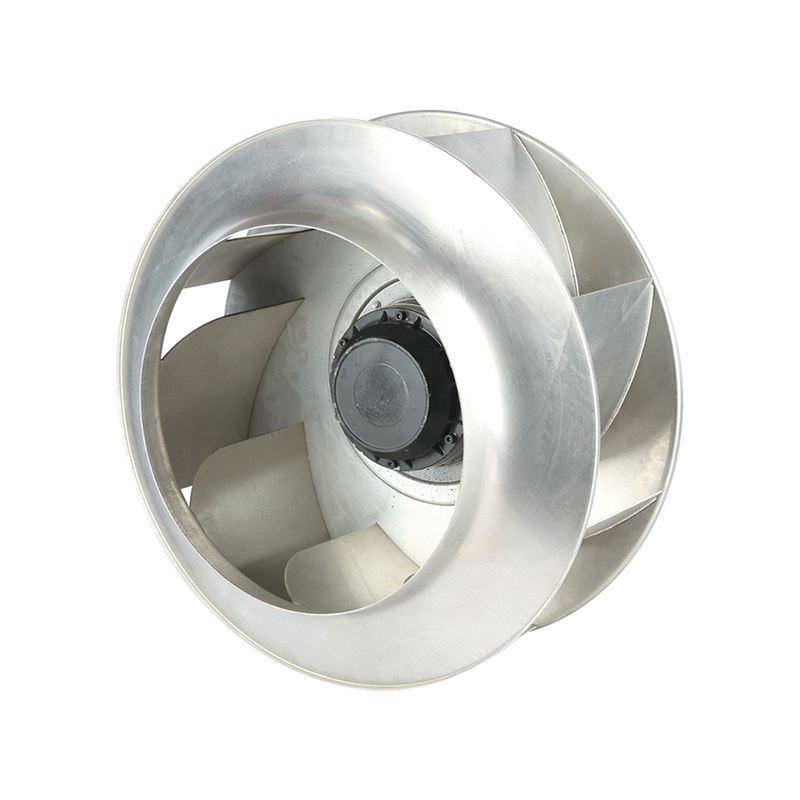
There is no single part inside the system that handles sound completely, instead acoustic behavior comes from how every part reacts together during operation, including blades, housing, and airflow movement all influencing each other in small continuous loops.
When structure stays balanced, vibration does not gather in one spot, instead it spreads across the frame in a softer way, and airflow remains smoother, which naturally reduces sudden sound changes during long running periods.
Over time, the system tends to settle into its own rhythm, where airflow and sound no longer feel separate, but move together in a shared pattern that depends on structure stability more than any single adjustment.
Once a Low Noise Axial Fan is placed into an actual working system, the way it behaves starts to depend on more than blade shape or housing form, because mounting position, surrounding space, and the way the fan connects to nearby parts all begin to influence airflow and sound in a slower, more practical way that often becomes clear only after some time in operation.
A small shift during installation can change the way rotation feels across the whole structure, and even when the fan continues to run without visible issue, the airflow path may drift slightly, while sound behavior can become more noticeable in one area than another, especially when the system is used for long periods and small differences have time to build up.
Space around the fan matters as well, since nearby walls, ducts, covers, or open channels can shape how air moves after it leaves the blades, and that outside condition sometimes sends pressure back toward the fan in a subtle form that affects how stable the overall movement feels.
In daily use, installation influence often shows up as:
A fan never works in complete isolation, because the air around it already carries its own temperature, motion, and pressure changes, and those conditions keep shifting through the day as the surrounding environment changes.
When the air around the fan is still, airflow from the fan tends to travel in a clearer direction and sound usually feels more contained, while in spaces where air already moves around from other sources, the outgoing flow mixes with that background movement and becomes less uniform over distance.
Temperature has a quiet effect too, since warmer air and cooler air do not move in exactly the same way, which means the fan may feel slightly different in different surroundings even when the machine itself has not changed at all.
Environmental influence often appears like this:
Inside a Low Noise Axial Fan, vibration is always part of the movement, even when it is barely noticeable from the outside, because every rotation creates a small amount of mechanical motion that travels through the blades, shaft, and housing.
The important point is not to remove vibration completely, since that is not realistic in a rotating system, but to keep it from building up in one area where it can strengthen over time and begin changing both the airflow pattern and the sound level in a noticeable way.
When vibration spreads evenly, it loses energy more gradually, while uneven vibration creates a stronger pattern in one section and that pattern slowly affects how air passes through the fan as well as how sound is carried outward.
Vibration behavior often follows patterns like:
Over time, even a well-running fan begins to show the effect of wear, dust, and small alignment changes, and these slow shifts can alter how blades move through air and how sound behaves during continuous operation.
Dust accumulation along air paths, slight wear on moving points, and minor changes in rotation balance can all make airflow feel less smooth, while sound may become a little less even than it was during earlier use.
When maintenance remains regular, the fan tends to keep a more familiar movement pattern, while reduced attention over long periods gives small irregularities more room to grow, and those small changes are often what later affect both airflow consistency and acoustic control.
Maintenance-related influence often appears as:
Airflow and sound inside a Low Noise Axial Fan are tied to the same motion, since air passing through the blades creates both direction and vibration at the same time, which means the two outcomes develop together rather than separately.
When airflow stays smooth, pressure changes remain more controlled and sound usually follows a steadier pattern, while unstable airflow tends to create small pressure changes that are then carried outward as more noticeable acoustic variation.
As operation continues, the system often begins to settle into a repeated rhythm, where air movement and sound pattern stay linked in a familiar way, and that rhythm depends heavily on structural balance rather than on one part working alone.
In an Axial Flow Fan Manufacturer environment, the way parts are formed, aligned, and assembled continues to shape performance long after installation, since consistency during production often decides how well the fan holds balance during real operation.
When blade alignment stays even and housing fit remains stable, rotation usually feels smoother and airflow follows a clearer path, which helps sound stay more controlled during long running periods.
Small changes during production may not be obvious at first, though over time they can show up as differences in vibration, airflow consistency, or noise behavior once the fan is used in an actual working space.
After a fan has been installed and used for some time, it often settles into a repeatable operating rhythm where airflow and acoustic behavior no longer feel separate, because both are shaped by the same rotation pattern, the same surrounding environment, and the same structural limits.
That rhythm is not fixed in a rigid way, yet it becomes familiar through continuous use, and when alignment, vibration control, and airflow guidance remain steady, the fan tends to keep a more consistent feel across long operating periods.
In practical terms, balance is not created by one part alone, it develops through the way the whole system behaves together while air is moving and the structure is under constant motion.
A Low Noise Axial Fan keeps airflow and acoustic behavior linked through every stage of operation, from blade movement and housing response to installation alignment, environmental conditions, and maintenance patterns, and the overall balance depends on how smoothly those factors stay connected during long use rather than on a single isolated adjustment.
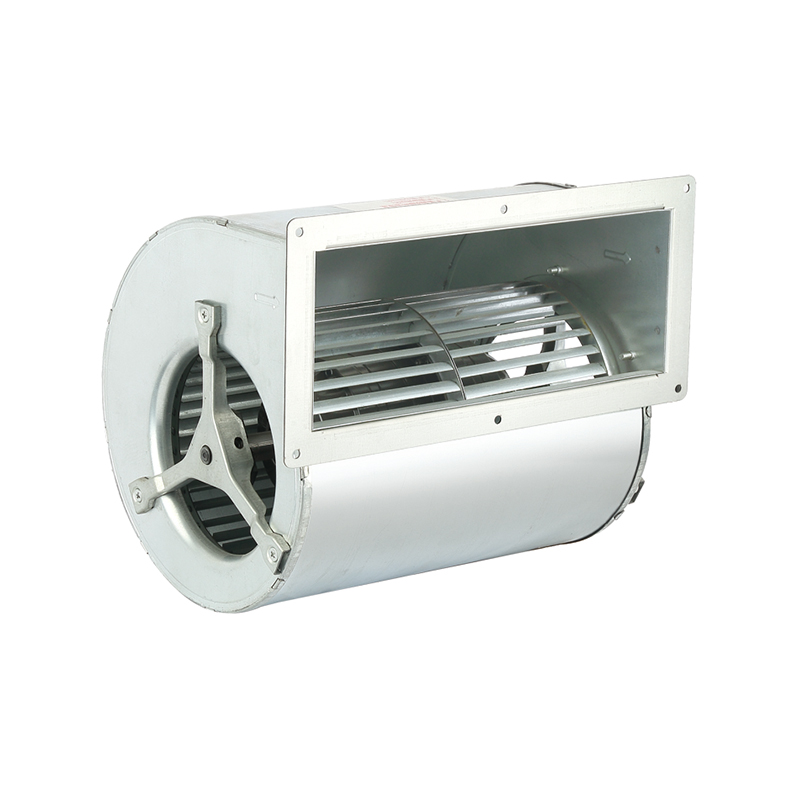
The DKT-133 Cooling Ventilation Double Inlet Air Conditioning Fan is d...
See Details
The DKT-146 Multi-Function Variable Frequency Double Inlet Air Conditi...
See Details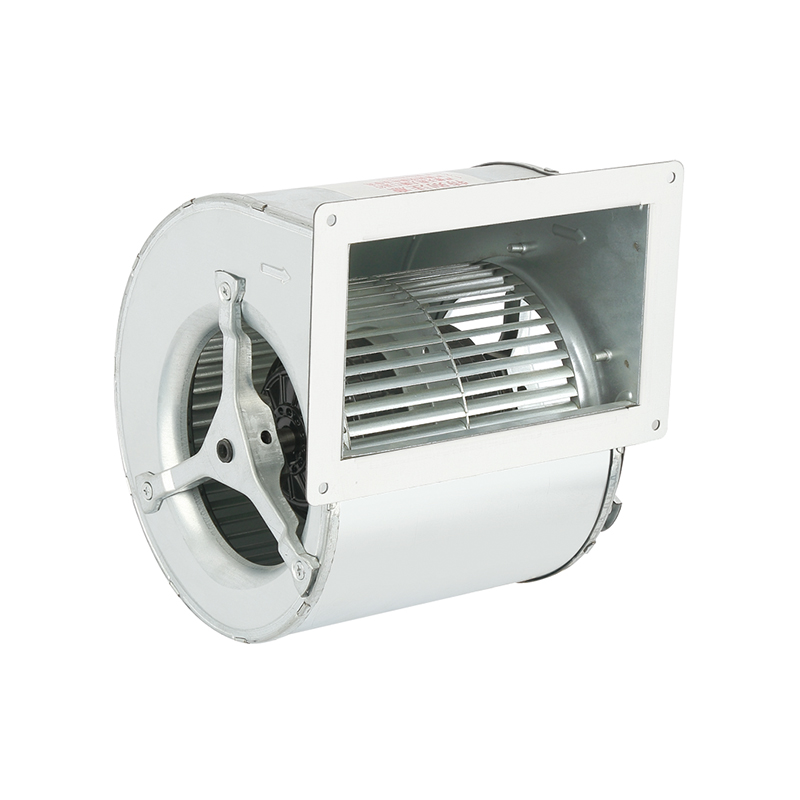
The DKT-160 Heat Dissipation Exhaust Double Inlet Air Conditioning Fan...
See Details
The DKT-180 Tilt Back Cool Down Double Inlet Air Conditioning Fan, a s...
See Details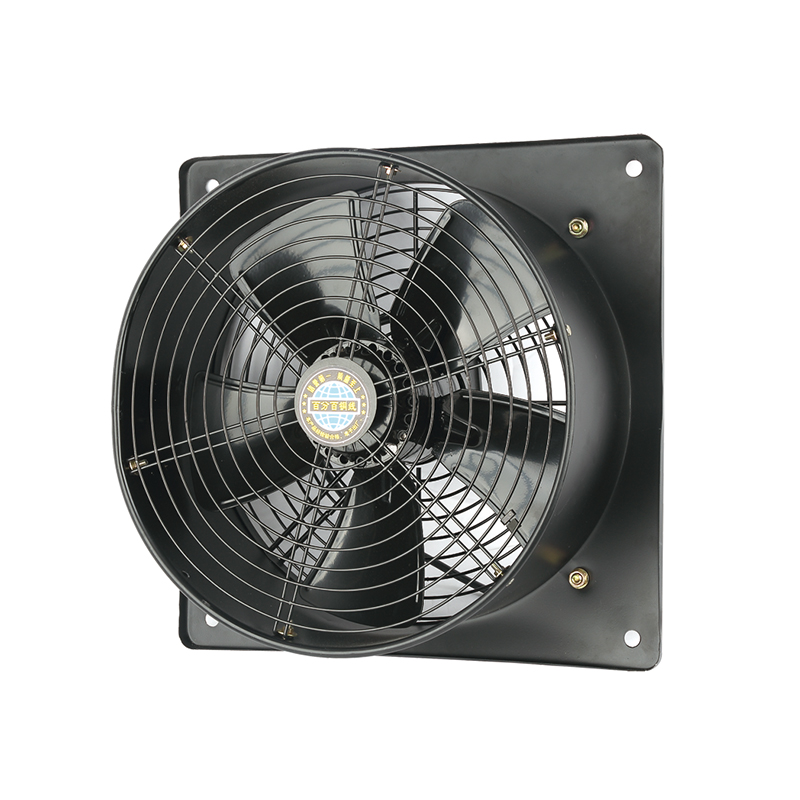
The YWF-400-2D2E Efficient Square form Axial fan is designed with a fo...
See Details
The YWF-350-2D2E Low noise Square form Axial Fan is designed with a co...
See Details
The YWF-350-4D4E Low vibration Square form Axial Fan is a outstanding ...
See Details
The YWF-400-4D4E Durable Square form Axial Fan is designed with advanc...
See Details
Qinlang focuses on providing high-quality products and considerate services, and is committed to meeting every expectation of our customers.
© Zhejiang Qinlang Electromechanical Co., Ltd.
Fans And Air-Cooling Equipment Factory
