 English
 русский
 عربى
عربى Español
Qinlang focuses on providing high-quality products and considerate services, and is committed to meeting every expectation of our customers.
The DKT-133 Cooling Ventilation Double Inlet Air Conditioning Fan is d...
See Details
People usually notice ventilation only when something goes wrong. A workshop feels stuffy, heat gathers near machines, or the air seems heavier than usual after several hours of production. Before any instrument shows a change, workers often feel it themselves. One side of the building becomes warmer. Air near the ceiling feels different from air near the floor. Dust remains suspended longer than expected. None of those situations appear suddenly. They develop little by little during normal operation.
A large industrial building behaves differently from a home or small office. The amount of air inside is much greater, the distance between work areas is longer, and many heat sources operate at the same time. Natural air movement rarely keeps up with those conditions. Warm air rises, cooler air settles elsewhere, and circulation becomes uneven. Once that pattern forms, some sections of the building receive very little air exchange.
Many facility managers describe ventilation as something similar to blood circulation in the human body. The comparison is simple, yet it explains the idea well. Air needs to keep moving. Once movement slows down, conditions begin to change from one location to another.
A High Speed Axial Fan is often used because it can keep air travelling across large spaces for long periods rather than relying on short periods of strong airflow. In daily operation, the goal is usually not creating a dramatic wind effect. The goal is maintaining steady movement hour after hour so that heat, moisture, and airborne particles are less likely to remain trapped in one place.
In practical situations, stable airflow may help:
Employees may never walk up to a ventilation system and think about how it works. What they often notice is that one building feels easier to work in than another. Continuous airflow is frequently one of the reasons.
The operating principle sounds uncomplicated. Blades rotate, air moves forward, and circulation begins. Yet behind that simple process is a constant interaction between moving surfaces and the surrounding air.
A useful way to picture it is to imagine standing outdoors on a calm day and waving a large board through the air. Every movement pushes air forward. The faster and more consistently the movement continues, the greater the volume of air that changes position. An industrial fan follows the same basic physical principle, although with far greater consistency than any manual action could achieve.
One characteristic that makes axial airflow systems useful in large facilities is the relatively direct route taken by the air. Instead of repeatedly changing direction inside the equipment, air generally follows a path close to the rotational axis. Less redirection often means fewer opportunities for airflow to lose momentum before reaching the working environment.
In real facilities, that characteristic becomes important because air is expected to travel through spaces that are rarely empty. Production lines, storage racks, maintenance areas, and structural supports all influence airflow patterns. The farther air can travel before slowing down, the easier it becomes to maintain circulation throughout the building.
Operators often observe several practical effects:
The fan itself is only part of the story. What matters is how the moving air behaves after leaving the equipment.
People naturally associate higher speed with stronger airflow. While that is true to some extent, the more interesting effect is how airflow behaves after it leaves the fan.
Think about opening a window on a mild day. A light breeze may be noticeable only near the opening. A stronger breeze travels farther into the room and influences a larger area. Industrial airflow follows the same logic. As rotational speed increases, moving air carries more momentum and can continue travelling for a greater distance before slowing down.
Inside a factory, airflow distance matters more than many people realize. Equipment rarely occupies every part of a building evenly. Some locations contain large heat sources while others remain relatively open. Air that can travel farther helps connect those different areas and reduces the likelihood of isolated zones developing their own separate conditions.
Several changes may occur when airflow momentum increases:
Greater speed does not automatically solve every airflow problem. Air that moves aggressively without control can create unnecessary turbulence. For continuous industrial ventilation, consistency often proves more valuable than short bursts of powerful airflow.
At first glance, fan blades appear surprisingly simple. Looking more closely reveals that their shape influences almost every stage of airflow generation.
A comparison with water can make the idea easier to understand. Water flowing through a gently curved channel usually follows a predictable path. Water encountering abrupt changes often breaks apart into small disturbances. Air behaves in a similar way, even though the movement is less visible.
As blades rotate, air follows the surface for a brief moment before continuing into the surrounding environment. The smoother that transition becomes, the easier it is to maintain an orderly airflow pattern. Sudden airflow separation tends to create disturbances that spread into the circulation process.
In industrial settings, stable airflow often matters because ventilation systems operate continuously rather than occasionally. Small airflow irregularities that seem insignificant during a few minutes of operation can become much more noticeable after many hours.
Blade geometry influences:
Engineers often spend considerable time refining blade profiles because a small adjustment can affect airflow behavior throughout the entire system.
| Operating Condition | Airflow Behavior | Practical Observation |
|---|---|---|
| Direct airflow route | Air changes direction less frequently | Circulation reaches broader areas |
| Stable rotation | Air movement remains more consistent | Indoor conditions vary less |
| Higher airflow momentum | Air travels farther before slowing | Distant areas receive more circulation |
| Balanced airflow pattern | Air spreads more evenly | Reduced stagnant sections |
Air always prefers an easier path. Anyone who has opened two doors in a building and watched a draft move through one opening more strongly than the other has already seen that principle in action.
Industrial facilities contain countless obstacles that influence airflow. Storage racks interrupt circulation. Equipment blocks movement. Structural supports create airflow shadows behind them. Air rarely moves through a perfectly open environment.
For that reason, resistance becomes an important consideration. Every obstacle requires airflow to change direction, slow down, or divide into smaller streams. Over long distances, those small losses accumulate.
Imagine pushing a shopping cart across an empty floor. The effort remains relatively steady. Now imagine doing the same thing while repeatedly steering around obstacles. More energy is spent, and progress becomes less direct. Airflow responds in much the same way.
Lower resistance often helps:
Generating airflow is only part of the challenge. Getting that airflow to travel effectively through a real working environment is often where the greater difficulty lies.
Equipment used in industrial facilities is often expected to perform the same task repeatedly over long periods without drawing attention to itself. Ventilation systems fall into that category. When airflow remains stable, people rarely think about the equipment creating it.
The structure of a High Speed Axial Fan is relatively direct. A motor provides rotational energy. Blades interact with air. The housing helps guide movement in the intended direction. There are no unnecessary airflow detours between entry and exit.
A useful comparison can be made with road design. Vehicles generally move more smoothly along a straightforward route than through a series of unnecessary turns. Air follows a similar pattern. Fewer interruptions often make airflow easier to predict and maintain.
Several components work together continuously:
None of them performs the task alone. Their combined behavior determines how effectively air moves through the surrounding environment.
From a practical perspective, long operating cycles place value on consistency. The objective is rarely creating dramatic airflow for a short period. The objective is keeping air moving steadily throughout the day, allowing industrial spaces to maintain more balanced conditions while daily activities continue around them.
Moving air continuously sounds simple until the system has been running for many hours every day. Over time, the challenge is no longer starting airflow. The challenge becomes maintaining the same airflow quality while operating under changing indoor conditions.
A common example can be found inside a busy workshop during different periods of the day. Early in the morning, indoor temperatures may be relatively uniform. Later, machinery releases heat into the surrounding space, people move through different work zones, doors open and close repeatedly, and outdoor conditions begin influencing the building. Airflow patterns that looked stable earlier may gradually shift.
Dust is another practical factor. Even facilities that appear clean contain airborne particles generated by packaging materials, raw materials, transportation activities, or routine production work. Air moving through the building continuously interacts with those particles.
Vibration also deserves attention. Any rotating component generates movement. The goal is not eliminating movement entirely, which is impossible, but controlling how that movement behaves over long operating periods.
Facilities commonly encounter challenges such as:
Interestingly, many airflow issues appear gradually rather than suddenly. A ventilation system may continue operating normally while indoor circulation becomes less balanced because the surrounding environment has changed.
For that reason, long-term airflow stability often depends on the entire ventilation arrangement rather than a single component.
When discussing industrial ventilation, people often focus on airflow volume. Engineers usually spend just as much time examining airflow behavior.
A useful way to think about airflow is to imagine a river. Water does not travel through a landscape in a perfectly straight line. It reacts to obstacles, changes direction, speeds up, and slows down. Air behaves in a similar manner, although the process is less visible.
An Axial Flow Fan Manufacturer typically looks at several areas that influence how air moves once the fan begins operating.
Blade shape is one example. Air remains in contact with blade surfaces for only a brief moment, yet that interaction influences what happens afterward. A smoother transition often produces a more stable airflow pattern across the surrounding space.
Internal spacing also matters. Components positioned too closely can affect airflow paths. Excessively large gaps may create a different set of airflow disturbances. Finding a balanced arrangement helps maintain circulation quality.
Attention is often given to:
None of these factors works independently. Each one influences how air behaves after leaving the fan and entering the larger environment.
In practice, airflow quality is often the result of many small design decisions rather than one major feature.
People tend to notice strong airflow immediately. Consistent airflow is different because its benefits are often less obvious.
Consider two indoor spaces. One experiences periods of strong airflow followed by weaker circulation. The other maintains a steady movement of air throughout the day. The second environment often feels more predictable even when airflow is not particularly aggressive.
Industrial ventilation follows the same principle.
Heat generated by machinery does not appear all at once. Airborne particles do not suddenly fill an entire building. Environmental conditions develop gradually. Continuous circulation works in the same gradual way, helping prevent localized conditions from becoming more pronounced.
Consistent airflow can contribute to:
Many facility operators value predictability because it makes environmental management easier over long operating periods.
Industrial airflow requirements vary considerably from one facility to another. Some environments require large-scale ventilation. Others focus on maintaining circulation around specific equipment or production zones.
High Speed Axial Fan systems are often found in locations where air must continue moving across relatively large areas rather than being concentrated in a small enclosed section.
Examples include:
A walk through such facilities often reveals a common pattern. Air must travel around equipment, through open workspaces, and across sections that may be separated by storage structures or production lines.
The ventilation equipment is not working for one location alone. Airflow must serve the broader environment.
Another reason these systems are frequently used in industrial settings involves flexibility. Building layouts can change over time. Equipment may be relocated, production processes adjusted, and storage arrangements modified. Broad-area airflow often adapts more easily to those changes than highly localized ventilation approaches.
| Environment Type | Airflow Objective | Practical Reason |
|---|---|---|
| Workshop Areas | Continuous circulation | Support changing working conditions |
| Equipment Zones | Heat movement | Reduce localized heat buildup |
| Storage Spaces | Air exchange | Support indoor air movement |
| Maintenance Areas | General circulation | Improve airflow coverage |
| Processing Facilities | Environmental consistency | Maintain balanced conditions |
Airflow efficiency is sometimes misunderstood as simply moving more air. In reality, efficiency and stability often support each other.
Imagine watering a garden with a hose. Water delivered steadily over time often produces a more useful result than short bursts delivered unpredictably. Air behaves in a comparable way inside industrial environments.
Efficient airflow means circulation reaches the intended areas without unnecessary loss of momentum. Stable operation means that performance remains relatively consistent from one period to the next.
When both conditions exist together, several practical outcomes become easier to achieve:
Mechanical stability also influences airflow behavior. Smooth rotation helps maintain steady circulation patterns. Balanced operation reduces unnecessary disturbances that may affect airflow distribution.
From an operational perspective, airflow and stability are closely connected. One supports the other.
Industrial ventilation is rarely about creating dramatic airflow. More often, it involves maintaining reliable circulation while daily operations continue around it.
A High Speed Axial Fan supports that objective through a combination of direct airflow movement, broad-area circulation capability, relatively simple airflow pathways, and operation suited to extended running periods.
The value becomes easier to understand when viewed in everyday terms. Air inside large buildings behaves much like water inside a large pond. Without movement, certain areas become isolated. Once circulation begins, conditions become more connected across the entire space.
Axial Flow Fan Manufacturer design efforts often focus on helping airflow remain stable after leaving the fan rather than concentrating solely on airflow generation itself. Blade design, structural balance, airflow guidance, and rotational stability all contribute to how air behaves throughout the surrounding environment.
For facilities that depend on continuous ventilation, long-term airflow quality is often shaped by consistency rather than intensity. Air that keeps moving steadily throughout the day can help support a more balanced indoor environment, allowing industrial activities to continue under more predictable conditions.
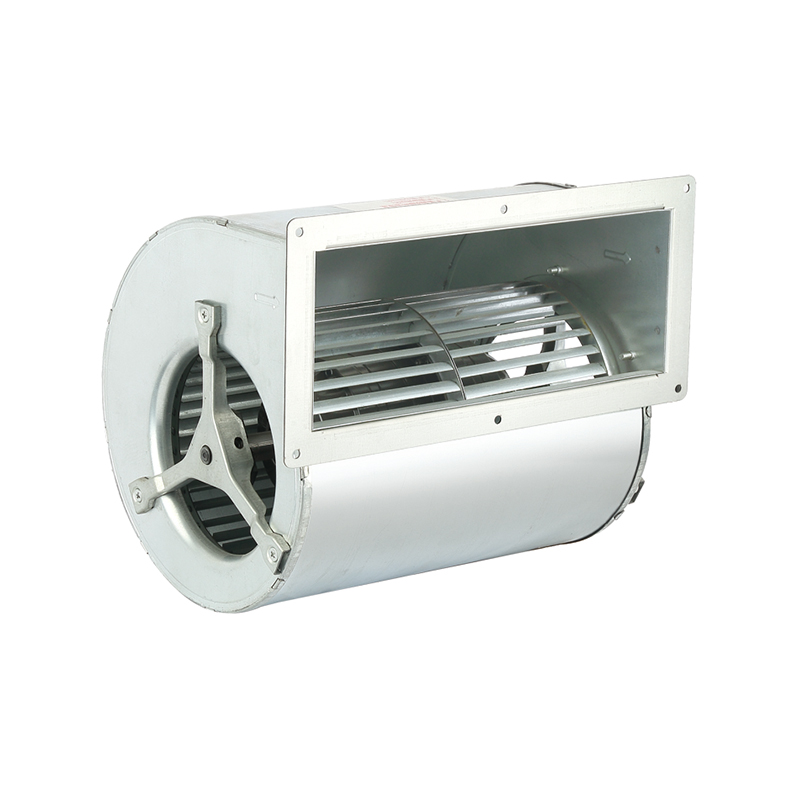
The DKT-133 Cooling Ventilation Double Inlet Air Conditioning Fan is d...
See Details
The DKT-146 Multi-Function Variable Frequency Double Inlet Air Conditi...
See Details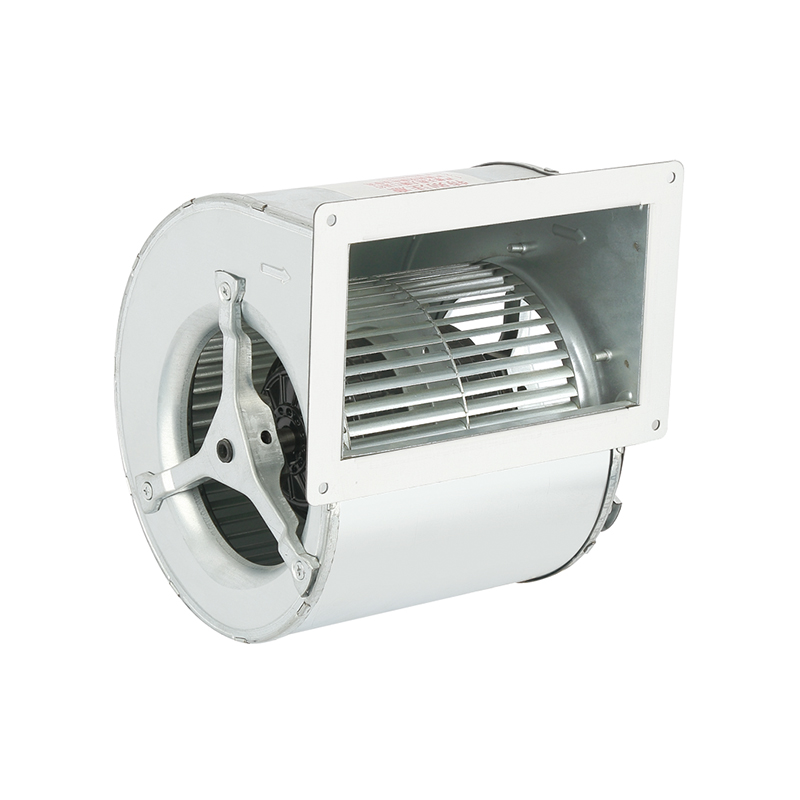
The DKT-160 Heat Dissipation Exhaust Double Inlet Air Conditioning Fan...
See Details
The DKT-180 Tilt Back Cool Down Double Inlet Air Conditioning Fan, a s...
See Details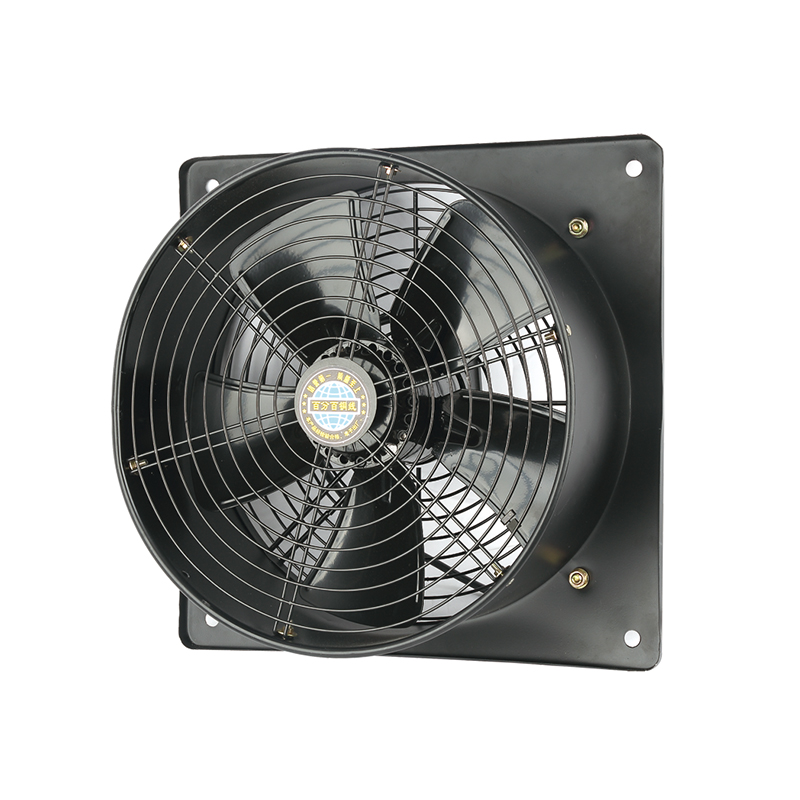
The YWF-400-2D2E Efficient Square form Axial fan is designed with a fo...
See Details
The YWF-350-2D2E Low noise Square form Axial Fan is designed with a co...
See Details
The YWF-350-4D4E Low vibration Square form Axial Fan is a outstanding ...
See Details
The YWF-400-4D4E Durable Square form Axial Fan is designed with advanc...
See Details
Qinlang focuses on providing high-quality products and considerate services, and is committed to meeting every expectation of our customers.
© Zhejiang Qinlang Electromechanical Co., Ltd.
Fans And Air-Cooling Equipment Factory
