 English
 русский
 عربى
عربى Español
Qinlang focuses on providing high-quality products and considerate services, and is committed to meeting every expectation of our customers.
The DKT-133 Cooling Ventilation Double Inlet Air Conditioning Fan is d...
See Details
Fresh air supply, heat removal, exhaust circulation — these needs show up constantly across factories, warehouses, workshops, construction sites, and underground spaces. Ventilation equipment is really what keeps airflow conditions workable in all these settings, but the right setup varies a lot depending on what the space actually demands.
Not every ventilation challenge looks the same. Some areas just need a large volume of air moving across an open space, while others need that air threading through long channels or tight, restricted routes. Picking the right fan really comes down to how air needs to travel through a given space, rather than grabbing whatever looks like it'll fit.
Axial fans and duct fans are the two solutions that come up again and again in industrial ventilation. Both move air, sure, but their structures and working methods push them toward different strengths. An axial fan generally excels at shifting a large volume of air, while a duct fan is built specifically to support that air's journey through ventilation channels.
A High CFM Axial Fan tends to show up wherever strong circulation is needed across a fairly open area. Paired with duct systems, axial fans and duct fans can work together to build a more organized, deliberate airflow path rather than relying on either type alone.
Getting a handle on how each piece of equipment actually functions is what lets engineers and buyers land on solutions that fit their space, their airflow needs, and their installation conditions — rather than guessing.
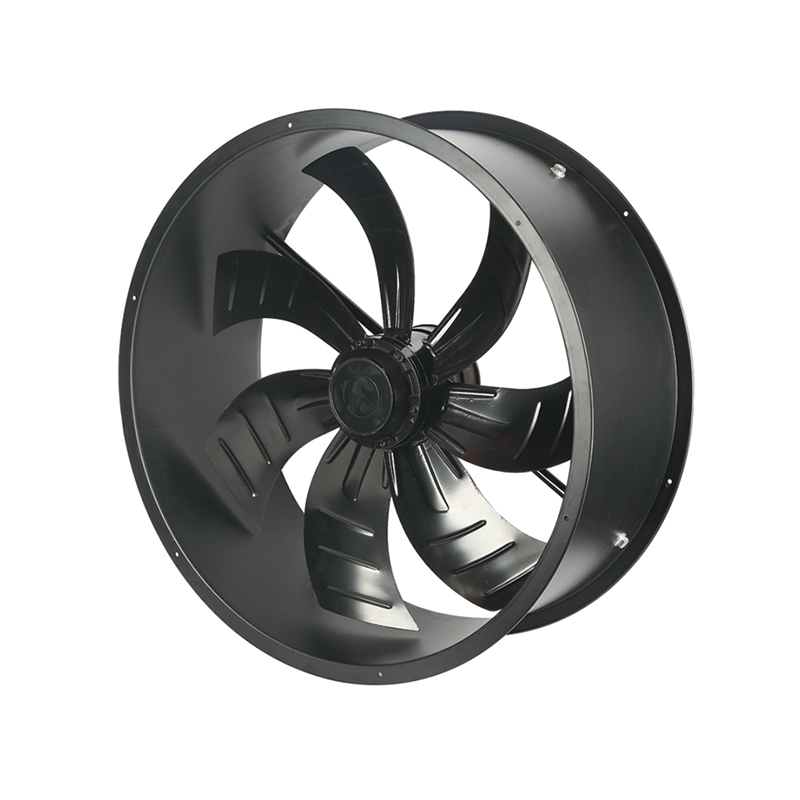
An axial fan pushes air in the same direction as its rotating shaft. As the blades spin, air enters from one side and travels forward along the fan's axis — a structure that makes axial fans a natural fit wherever a large volume of air needs moving over a relatively short distance.
The "high CFM" label refers to airflow capacity — essentially a way of quantifying how much air the fan can actually move during operation, which matters when comparing options for demanding environments.
These fans show up regularly in:
Design‑wise, the focus stays on continuous airflow throughout. Blades, motor system, and housing structure all work in concert to push air efficiently through the surrounding space.
In open environments, axial fans deliver direct circulation without needing an elaborate duct setup behind them. That's exactly why they get picked for areas dealing with heat buildup, dust, or stale air that just needs pushing out of a working zone.
Where things get trickier is distance and resistance. Once air has to travel through long pipes or a complicated ventilation path, axial fans alone often aren't enough — additional equipment usually needs to step in to keep that airflow moving properly.
A duct fan, by contrast, is built to work hand‑in‑hand with ventilation ducts rather than open space. Instead of circulating air freely, it focuses on pushing air through enclosed channels — pipes, flexible ducts, fixed ventilation passages — with the fan supplying the force needed to keep that air moving along its route.
A High Efficiency Duct Fan tends to appear wherever airflow needs to travel along a defined pathway rather than just spread out. That covers a fair range of settings:
These fans earn their place in situations demanding real control over airflow direction. A duct system can guide air precisely from one location to another, pulling unwanted heat, moisture, or polluted air out of specific spots rather than just diffusing it generally.
Compared to open circulation methods, duct‑based systems simply offer more control over the actual route air takes. Duct size, length, and installation layout all shape how effectively that air ends up moving through the system.
None of this makes duct fans a replacement for axial fans, though — the two tend to serve different purposes depending on how the ventilation design is actually laid out.
Both fan types move air, but their working conditions and installation approaches diverge quite a bit. Getting clear on those differences is what makes equipment selection line up with real ventilation needs rather than assumptions.
| Comparison Area | Axial Fan | Duct Fan |
|---|---|---|
| Air Movement | Moves air directly along the fan axis | Moves air through connected ducts |
| Common Use | Open spaces and large airflow areas | Controlled airflow systems |
| Installation | Usually placed in open or semi‑open areas | Installed within duct routes |
| Airflow Direction | Direct circulation | Guided transportation |
| Application Focus | Air exchange and circulation | Air delivery through channels |
Axial fans tend to get picked for larger spaces where air just needs room to move freely — a workshop dealing with heat buildup, for instance, often benefits more from direct circulation than a routed system.
Duct fans make more sense once air needs to reach specific locations through defined paths. A ventilation setup spanning multiple rooms or long air routes generally leans on duct equipment to keep that airflow consistent across the whole system.
A handful of factors tend to drive the actual choice between the two:
In plenty of real‑world applications, these two aren't competing at all — they end up as connected pieces of the same ventilation solution.
A combined system lets each fan type handle a different stage of the airflow journey. An axial fan often provides the initial push at the start of a ventilation route, while a duct fan takes over transporting that air through the enclosed passages beyond.
Picture a large workshop: an axial fan handles general indoor circulation, moving air around and helping clear out warmth building up in the space. Where certain zones need more targeted attention, duct fans step in to guide airflow precisely through connected channels leading there.
This kind of cooperation tends to break down into a few practical roles:
Bringing different ventilation equipment together like this lets designers build systems around the actual conditions of a space, rather than leaning on one fan type to handle every job. A coordinated approach — axial and duct fans working as a team — simply offers more flexibility than either one could deliver alone.
Picking ventilation equipment really means evaluating the whole airflow system, not just the fan sitting at the center of it. A handful of factors end up shaping whether a given solution actually fits the environment it's going into.
Fan performance rarely comes down to one part working well — it depends on blade design, motor structure, housing quality, and assembly processes all coming together consistently. That's exactly where an Axial Fan Factory's production standards start to matter, since careful process control is what keeps different units performing consistently rather than varying unit to unit.
A few manufacturing considerations tend to carry real weight here:
For industrial buyers, getting a sense of a supplier's actual production capability matters when choosing who to work with — suppliers with solid manufacturing processes tend to support varied project requirements far more reliably. And since ventilation equipment rarely operates in isolation, compatibility with ducts, installation space, and operating conditions deserves just as much attention as the fan specs themselves.
Air movement touches more aspects of indoor conditions than people often assume — proper ventilation replaces stagnant air, clears out unwanted heat, and keeps moisture levels in check throughout a space.
In industrial settings, that tends to translate into a handful of concrete outcomes:
No single fan handles every airflow challenge on its own, though — different zones within the same building routinely have genuinely different needs. Combining axial fans and duct fans is really what lets a ventilation system respond to those varied conditions rather than forcing a one‑size‑fits‑all approach onto a building that doesn't work that way.
Take a large production area sitting next to a closed equipment room as an example — the production floor might just need general circulation, while the equipment room needs targeted exhaust instead. A combined system lets those two tasks stay separate, keeping the overall airflow arrangement organized rather than compromised.
Good ventilation design ultimately comes down to understanding how equipment, building structure, and daily operation actually relate to each other. Planning around that relationship is what helps avoid the airflow problems that crop up from installation methods that simply weren't suited to the space in the first place.
Industrial ventilation keeps evolving as workplaces push for more flexible airflow solutions, and fan systems are increasingly built around practical installation, energy use, and adaptability across different environments.
A few directions seem to be shaping where things head next:
Modern ventilation projects tend to juggle multiple factors at once — building design, environmental conditions, equipment requirements — and fan systems need to keep adapting to match. The pairing of axial fans and duct fans offers a genuinely flexible way to manage that complexity, with one type handling general air movement while the other supports controlled delivery through specific routes.
A High Efficiency Duct Fan fits naturally into a complete airflow system, particularly wherever air needs to travel along defined pathways. Working alongside axial fans, duct fans help build ventilation solutions that actually match the range of demands showing up across industrial applications today.
Axial fans and duct fans end up playing genuinely different roles within a ventilation system. Axial fans handle direct air circulation and large‑volume movement well, while duct fans focus on supporting air transportation through enclosed ventilation routes.
A High CFM Axial Fan delivers strong airflow across open areas, while a High Efficiency Duct Fan guides that air through connected channels once it needs more precise direction. Selected thoughtfully according to actual application conditions, the two can work together to improve how airflow gets organized across a whole facility rather than competing for the same job.
Ultimately, the right ventilation equipment comes down to space layout, airflow direction, installation conditions, and maintenance needs working together. Getting a real handle on how each fan type operates is what lets engineers and buyers put together ventilation systems that genuinely fit their industrial or commercial environment, rather than settling for whatever's most familiar.
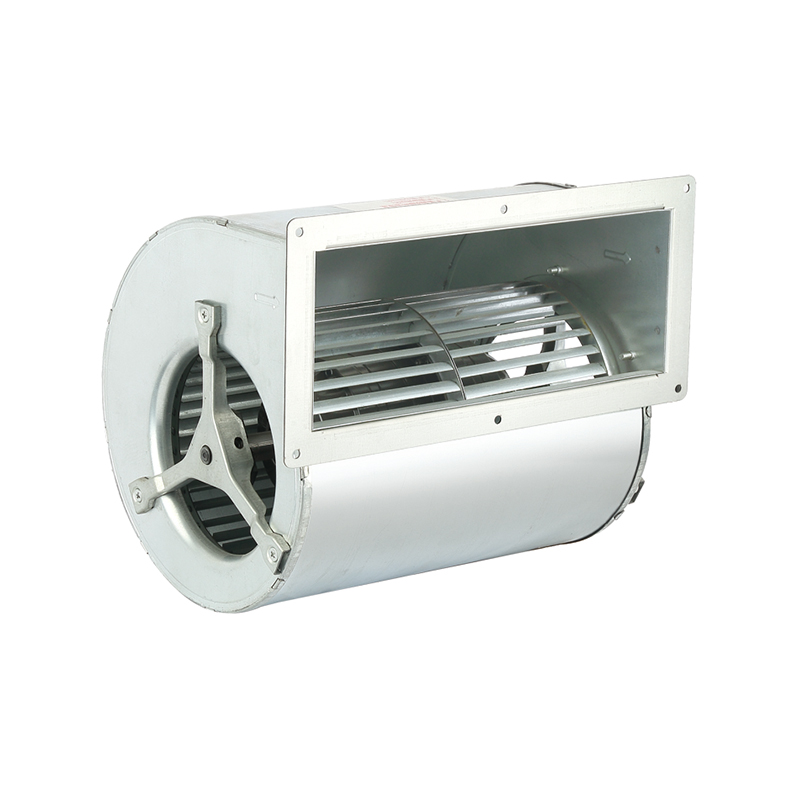
The DKT-133 Cooling Ventilation Double Inlet Air Conditioning Fan is d...
See Details
The DKT-146 Multi-Function Variable Frequency Double Inlet Air Conditi...
See Details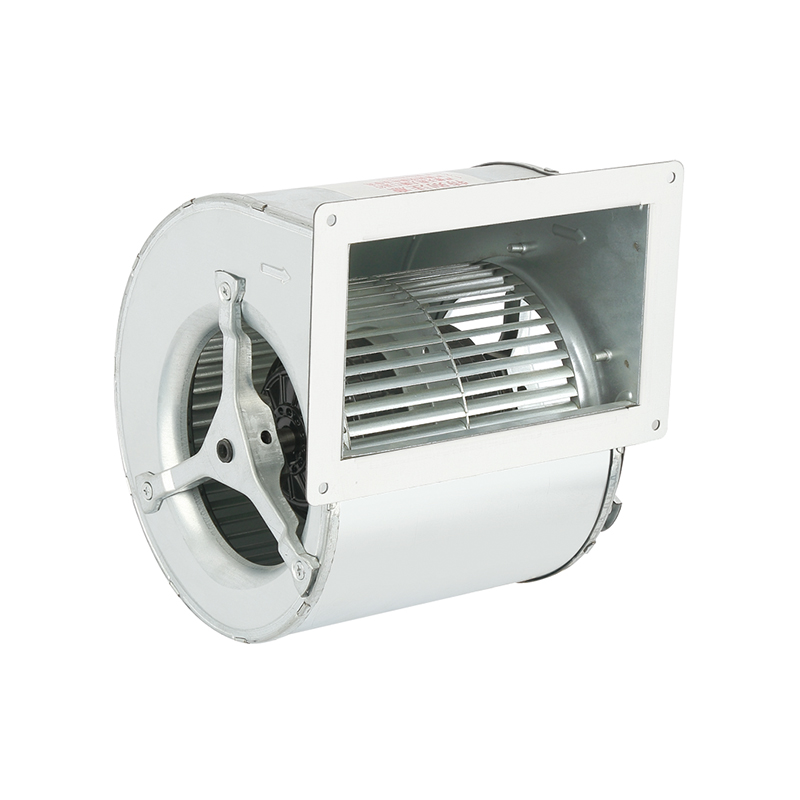
The DKT-160 Heat Dissipation Exhaust Double Inlet Air Conditioning Fan...
See Details
The DKT-180 Tilt Back Cool Down Double Inlet Air Conditioning Fan, a s...
See Details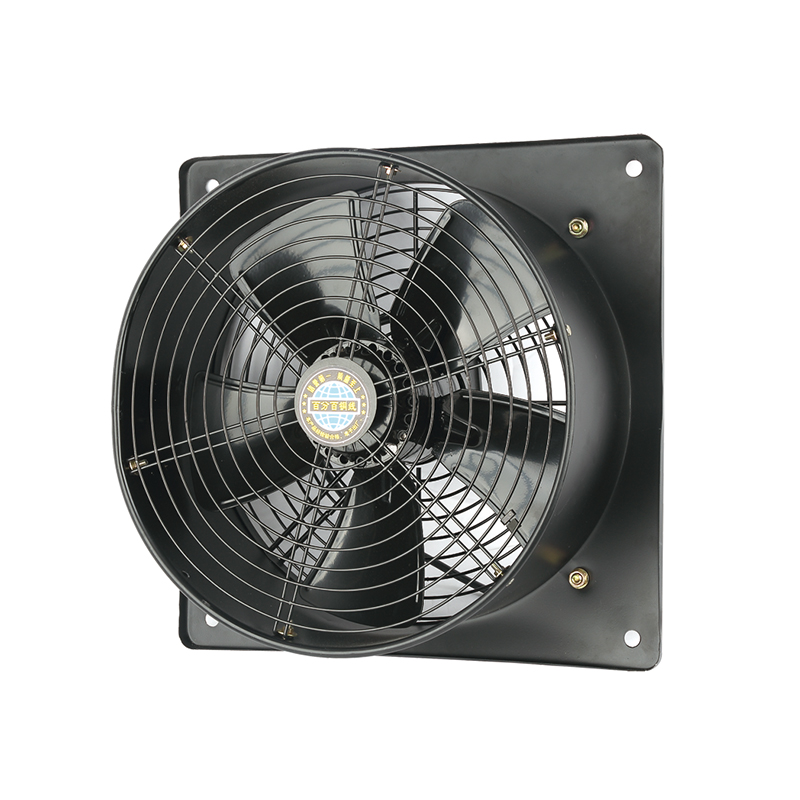
The YWF-400-2D2E Efficient Square form Axial fan is designed with a fo...
See Details
The YWF-350-2D2E Low noise Square form Axial Fan is designed with a co...
See Details
The YWF-350-4D4E Low vibration Square form Axial Fan is a outstanding ...
See Details
The YWF-400-4D4E Durable Square form Axial Fan is designed with advanc...
See Details
Qinlang focuses on providing high-quality products and considerate services, and is committed to meeting every expectation of our customers.
© Zhejiang Qinlang Electromechanical Co., Ltd.
Fans And Air-Cooling Equipment Factory
