 English
 русский
 عربى
عربى Español
Qinlang focuses on providing high-quality products and considerate services, and is committed to meeting every expectation of our customers.
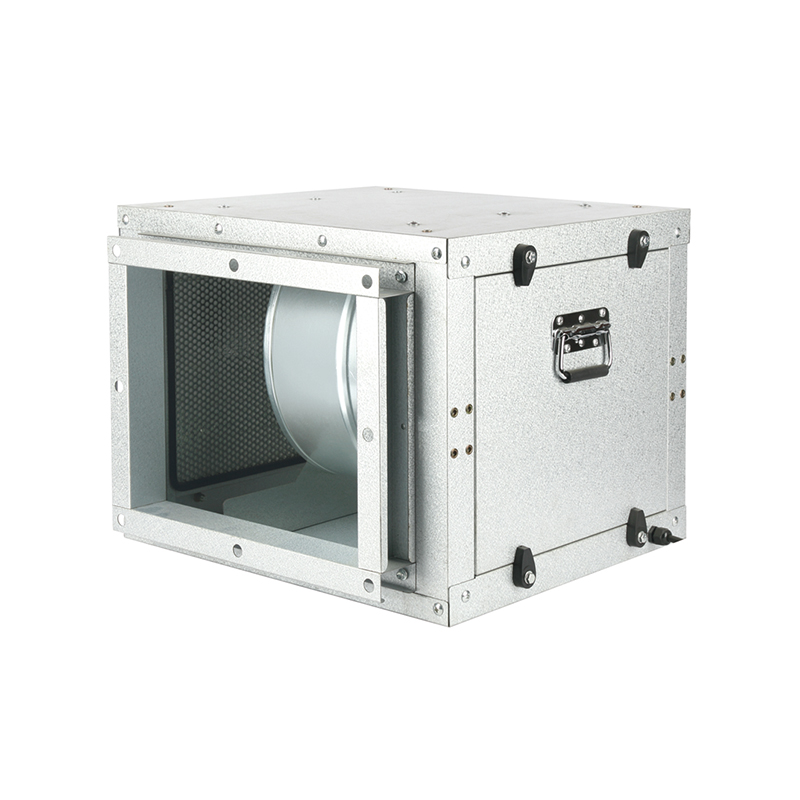
The DKT-133 Cooling Ventilation Double Inlet Air Conditioning Fan is d...
See Details
Walk into any office and listen. The hum of computers, the buzz of lights, the murmur of conversations, and the fairly constant drone of ventilation systems all tend to blend into background noise. Some of that noise tends to come from the fans that keep equipment cool and air moving. A fan that runs quietly tends to blend into the background. One that runs loudly tends to add to the noise burden instead.
Noise levels in offices tend to affect how people work. Studies have suggested that background noise can reduce concentration and increase fatigue over time. Workers in open-plan offices tend to be particularly sensitive to ambient sound because they don't have walls to block it. A fan that produces around 40 decibels may be acceptable in a private office but could feel disruptive in an open-plan setting.
The contribution of fans to office noise often tends to go unnoticed until someone installs a loud one. A fan that worked well in a warehouse may turn out unacceptable in a quiet office. The choice of fan for office use tends to require some attention to its noise output.
Blade design tends to determine a fair amount of the noise an axial fan produces. The shape, angle, and number of blades all tend to affect how air moves through the fan. A blade that cuts through the air smoothly tends to generate less turbulence and less noise than one that creates more disruption.
The number of blades tends to influence the sound frequency too. A fan with seven blades tends to produce a different tone than one with five blades. The sound may end up quieter or simply less annoying, even at a similar decibel level. Perceived noise tends to matter about as much as the measured level.
Motor type tends to contribute to the overall sound profile. A motor with bearings that run smoothly tends to generate less mechanical noise than one with bearings that create vibration. Ideally, the motor shouldn't add much of its own noise on top of the air movement sounds.
Aerodynamic design tends to reduce noise by managing how air flows through the fan. A fan that moves air fairly efficiently tends to create less disturbance and less sound. The design of the housing also tends to affect noise by directing airflow and reducing turbulence.
Sound pressure level tends to be the measurement most commonly used for office fans. It's expressed in decibels and tends to indicate how loud the fan sounds to a person standing nearby. A fan rated around 30 decibels tends to be very quiet. A fan at 45 decibels tends to be clearly audible.
Sound power level is a somewhat different measurement. It indicates the total sound energy emitted by the fan, regardless of the environment. This measurement tends to be less useful for comparing fans in office settings, since office acoustics tend to affect how the sound actually gets perceived.
Airflow volume and noise tend to be linked to some degree. A fan that moves more air typically tends to produce more noise. The challenge usually comes down to finding a fan that provides adequate airflow at an acceptable noise level.
| Fan Type | Typical Noise Level (dB) | Suitable Office Environment |
|---|---|---|
| Ultra-quiet | 20-30 | Private office, quiet spaces |
| Quiet | 30-40 | Open-plan office, meeting rooms |
| Standard | 40-50 | Warehouse, equipment rooms |
| High-performance | 50+ | Industrial settings |
Frame size tends to refer to the physical dimensions of the fan. Common sizes for office cooling tend to include 120mm, 140mm, and 200mm fans. The frame size tends to determine where the fan can realistically be installed.
Larger fans tend to move more air at lower speeds. A larger fan running slowly often tends to produce less noise than a smaller fan running quickly. The extra size may provide better airflow with somewhat less sound.
A Low Noise Axial Fan tends to come in various sizes to fit different applications. A small fan might cool a single piece of equipment. A larger fan might provide ventilation for an entire room. The size should generally match the cooling requirement and the available space.
AC fans tend to run on standard mains voltage and plug directly into building power. The design tends to be fairly simple and reliable, but AC fans often run at fixed speeds. The noise level tends to get determined mostly by the fan's design and speed together.
DC fans tend to run on low voltage and offer more control options. The speed can usually be adjusted to balance airflow and noise. A DC fan can often run slower and quieter when full airflow isn't needed.
EC fans tend to combine some of the efficiency of DC motors with the simplicity of AC power. The design tends to offer the control options of DC alongside the convenience of AC. EC technology is generally associated with energy efficiency and quieter operation, which tends to make it a fairly suitable choice for office environments where both noise and energy consumption matter.
Some fan designs seem to draw inspiration from nature. The silent flight of owls, achieved through specialized wing features, has reportedly influenced blade design for quiet fans. Blade serrations and trailing edge modifications tend to reduce the noise produced by air moving across the blade surface.
Blade curvature tends to affect how air flows through the fan. A blade with smooth curves tends to guide the air gradually rather than forcing it to change direction abruptly. The smoother airflow tends to reduce turbulence and the noise that tends to come with it.
Dynamic balancing tends to help the fan rotor spin without much vibration. An unbalanced rotor tends to wobble slightly as it turns, and that wobble tends to create noise and stress on the bearings. A properly balanced fan tends to run more smoothly and quietly.
Material choice tends to affect both noise and durability. A rigid material transmits vibration somewhat differently than a flexible one. The housing and mounting structure should ideally dampen vibration rather than amplify it.
A few design features that tend to support quiet operation:
Ceiling-mounted ventilation fans tend to move air through office spaces without taking up floor space. The fans tend to pull stale air out and draw fresh air in. The noise level of a ceiling fan tends to matter quite a bit because it usually runs continuously during working hours.
Equipment cooling fans tend to sit inside IT racks, AV enclosures, and other equipment cabinets. The fans tend to keep electronics from overheating while running quietly enough not to disturb the office. A fan that runs too loudly will likely draw attention and complaints before long.
Wall-mounted extract fans tend to serve smaller offices and meeting rooms. The fans tend to remove stale air and provide ventilation in spaces without central air conditioning. The installation tends to be fairly straightforward, and the fan tends to operate at a fairly low noise level.
An Axial Fan Factory that produces fans for office use tends to understand the noise requirements of commercial spaces reasonably well. The factory tends to design and test fans to meet the acoustic standards generally expected in office environments.
Comparing noise levels usually starts with the decibel rating. A fan rated at 30 dB tends to be quieter than one rated at 40 dB. A difference of 10 dB tends to represent a fairly significant reduction in perceived loudness.
Airflow requirements should get considered alongside noise tolerance. A fan that moves enough air for the space while staying within the noise limit tends to be the right choice. A fan that moves too little air or produces too much noise probably won't meet the need.
Installation space and mounting constraints tend to affect which fan models will actually fit. A fan that's physically too large for the space can't get installed regardless of its noise rating. The dimensions of the fan should generally get confirmed before purchase.
Long-term reliability and maintenance needs also tend to matter. A fan that requires frequent cleaning or bearing replacement will likely create more work than one that runs closer to maintenance-free. The total cost of ownership tends to include both initial cost and maintenance over time.
Manufacturing standards at an Axial Fan Factory tend to influence the quality of the fans that come off the line. A factory that follows fairly consistent processes tends to produce fans that meet their specifications more reliably. The noise level of one fan tends to match the noise level of another when processes stay consistent.
Testing procedures tend to help verify that each fan meets its noise and airflow specifications. A fan that doesn't meet the noise specification should ideally get identified before it leaves the factory. The testing process tends to help protect the customer from receiving a fan that's louder than expected.
Blade balancing tends to affect every fan that leaves the factory. A properly balanced fan tends to run more smoothly and quietly. A poorly balanced fan tends to vibrate and create additional noise. The balancing process should generally be part of the production routine.
Factory processes tend to influence the reliability of the fans over their service life. A fan that's assembled carefully and tested thoroughly will likely perform more reliably. A fan that's assembled without much attention to quality may fail prematurely. The reputation of an Axial Fan Factory tends to reflect the consistency of its products over time.
Choosing a Low Noise Axial Fan for office spaces tends to involve weighing noise levels, airflow, size, and installation requirements together. A fan that's quiet enough for the environment and powerful enough for the cooling need will likely serve the office well. The Axial Fan Factory that produces the fan should ideally have solid quality processes in place to support consistent performance. The right fan tends to keep the office comfortable without adding much to the noise burden.
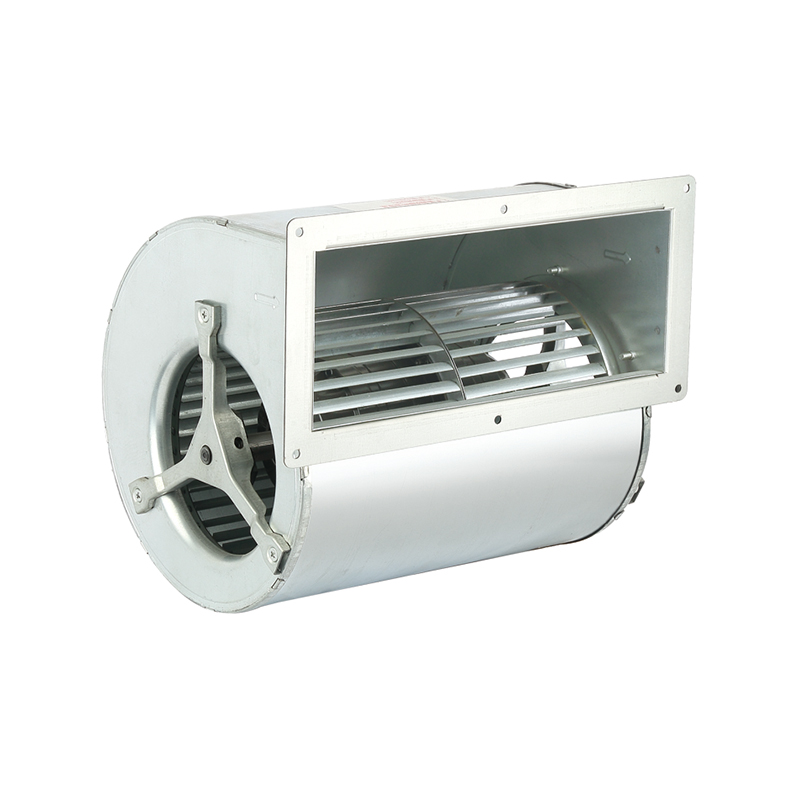
The DKT-133 Cooling Ventilation Double Inlet Air Conditioning Fan is d...
See Details
The DKT-146 Multi-Function Variable Frequency Double Inlet Air Conditi...
See Details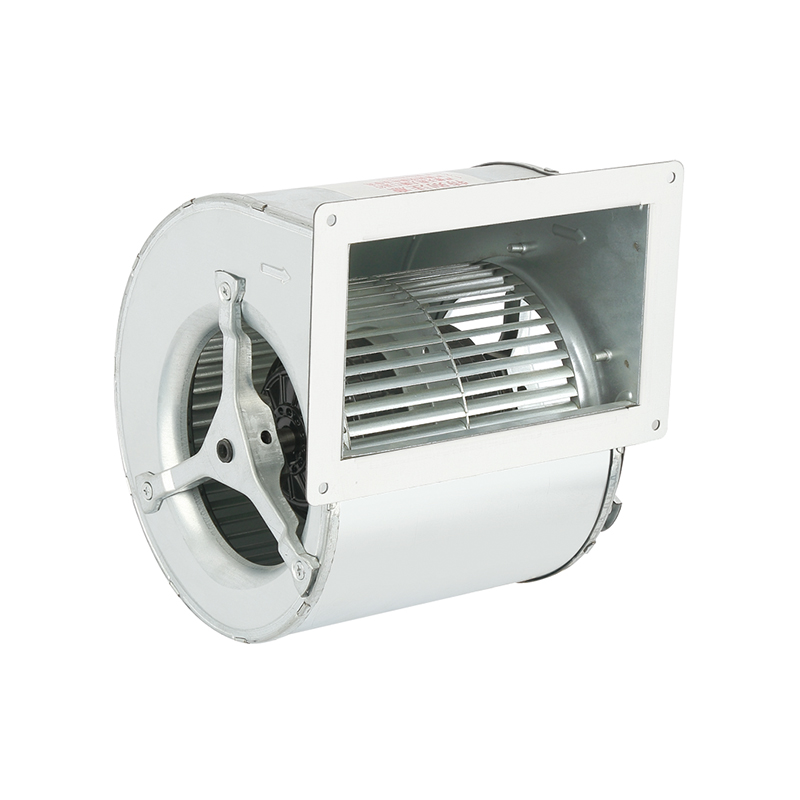
The DKT-160 Heat Dissipation Exhaust Double Inlet Air Conditioning Fan...
See Details
The DKT-180 Tilt Back Cool Down Double Inlet Air Conditioning Fan, a s...
See Details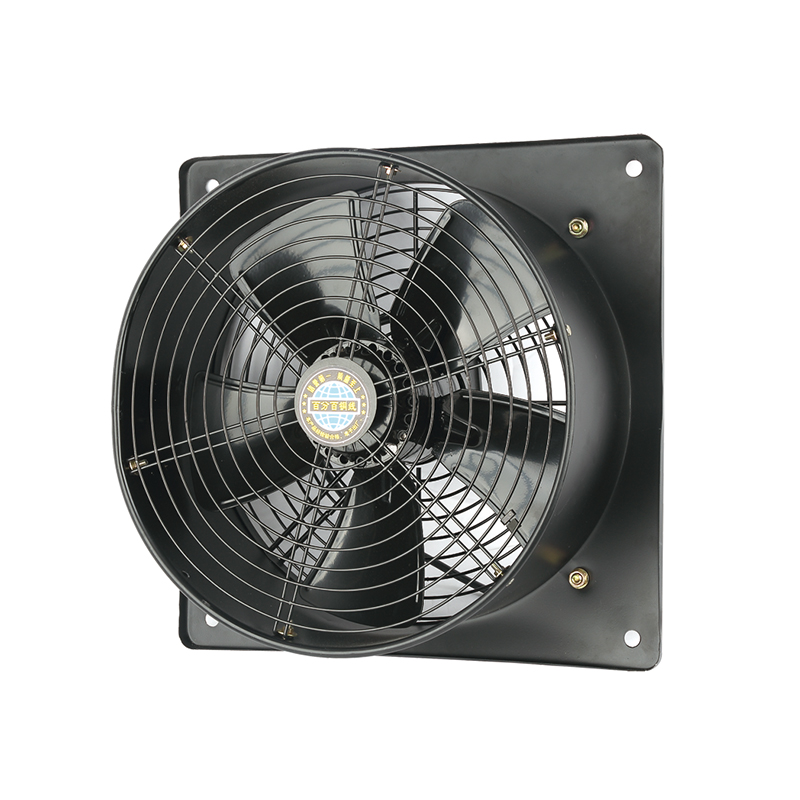
The YWF-400-2D2E Efficient Square form Axial fan is designed with a fo...
See Details
The YWF-350-2D2E Low noise Square form Axial Fan is designed with a co...
See Details
The YWF-350-4D4E Low vibration Square form Axial Fan is a outstanding ...
See Details
The YWF-400-4D4E Durable Square form Axial Fan is designed with advanc...
See Details
Qinlang focuses on providing high-quality products and considerate services, and is committed to meeting every expectation of our customers.
© Zhejiang Qinlang Electromechanical Co., Ltd.
Fans And Air-Cooling Equipment Factory
