 English
 русский
 عربى
عربى Español
Qinlang focuses on providing high-quality products and considerate services, and is committed to meeting every expectation of our customers.
The DKT-133 Cooling Ventilation Double Inlet Air Conditioning Fan is d...
See Details
Air inside a closed room behaves in a way that feels very different from air in open space. Once a High Speed Axial Fan begins working in an enclosed area, the air it pushes cannot spread away freely, so it keeps meeting walls, ceilings, corners, and nearby equipment surfaces, then changes direction again and again inside the same limited space.
In a small workshop, an equipment room, or a storage area with poor ventilation, airflow often turns into a repeating movement pattern. Air leaves the fan, reaches a surface, slows down, then returns into the room from another direction. The room shape starts to shape the air, and the air starts to shape the feeling of the room. One corner may feel active and moving while another corner stays calm and still.
In everyday use, the effect is easy to notice. Standing near the fan usually gives a strong sense of airflow, while moving farther away can make the air feel weaker even when the fan keeps running at the same speed. Air does not leave the room the way it does outdoors. It keeps moving around inside the same boundary, and that creates uneven circulation.
Common field behavior in enclosed space includes:
A High Speed Axial Fan can still run steadily in that kind of room, though the room itself decides how useful the airflow becomes. A narrow room, a machine-packed room, or a space with poor exit openings will all change how the moving air behaves after it leaves the fan.
Blade shape has a direct effect on the way air leaves the fan and how stable that air remains after it enters a closed space. In a High Speed Axial Fan, the blades are doing more than spinning. They guide the movement of air, decide how concentrated the stream feels, and influence how far that air can keep moving before the room structure changes it.
A blade angle that is tighter usually pushes air into a narrower stream. A wider shape sends air in a looser spread. Curved blade surfaces can help air leave more smoothly, while a less balanced design may create uneven movement that shows up as small turbulence once the air enters the room.
Inside an enclosed area, these small differences matter more than they might outdoors. There is no wide open path for the airflow to settle. Whatever pattern the blade creates keeps moving inside the room and affects the surrounding air.
What can be seen in practice:
In a utility room, a machine room, or a sealed work area, blade structure often decides whether the air feels steady and guided or scattered and uneven. That is why blade design is closely tied to performance in closed spaces.
The rotation of a High Speed Axial Fan works like the heartbeat of the airflow. When speed stays steady, air output also stays steady. When speed shifts, even in a small way, airflow starts to feel different inside the room.
In enclosed spaces, that difference becomes easier to notice because the air does not escape. It stays inside, keeps moving around, and carries the effect of speed change through the whole area. A small change in rotation may not look serious from outside, yet it can create uneven air movement across the room.
Speed stability can be influenced by daily working conditions such as long running time, changing resistance from surrounding air, warmth inside the enclosure, or slight vibration from mounting points. Once those conditions change, the fan may still run, though the airflow pattern may feel less even.
Practical signs often include:
In real indoor use, people usually notice it as a change in comfort or room freshness rather than a direct change in fan speed. The motor may keep spinning, yet the room may no longer feel the same.
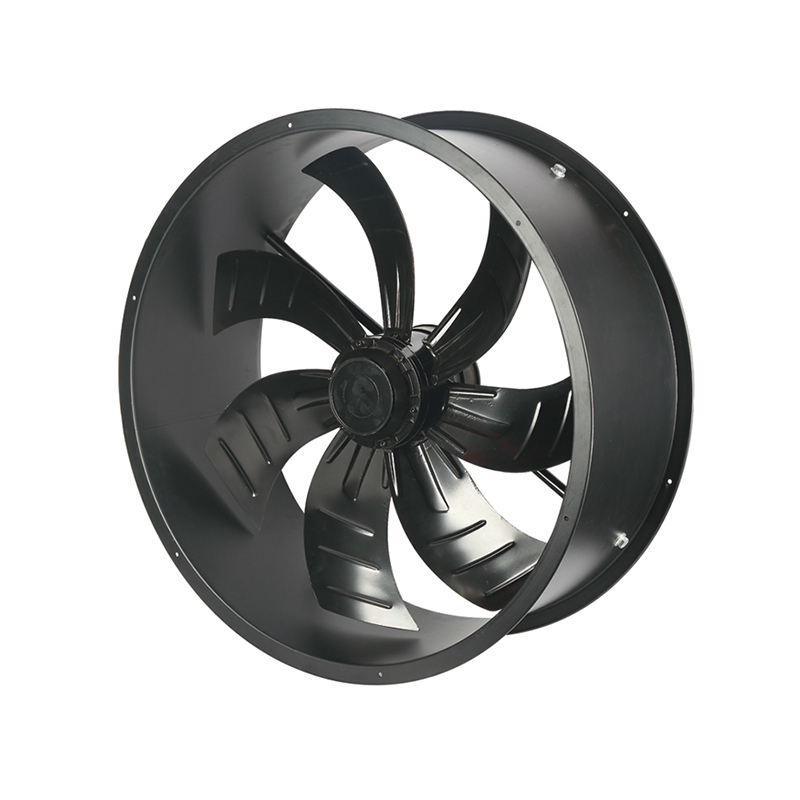
Air resistance rises naturally in confined rooms because air has very little room to move freely. Once a High Speed Axial Fan pushes air forward, that air hits surfaces quickly and begins to bounce, turn, and overlap with other moving air streams. Instead of flowing in one open path, it keeps meeting obstacles.
Walls, corners, equipment panels, and storage racks all slow the air down in different ways. The smaller the room or the tighter the layout, the more often the air has to change direction. That repeated contact takes away movement energy and leaves certain zones with weak circulation.
In daily settings, this can be seen in closed rooms where air feels active near the fan but almost still in a far corner. Air is moving, yet the movement is not evenly reaching every area.
Common enclosed-space behavior includes:
A closed room does not let airflow spread the way an open area does. That is why the same fan can feel strong in one space and underwhelming in another.
Heat builds slowly in enclosed spaces and often stays there longer than expected. Equipment running inside the room gives off warmth, people inside the room add body heat, and the room itself limits the exit path for warm air. A High Speed Axial Fan keeps moving air, though the air it moves may already carry heat from the room surroundings.
Warm air usually rises, which means higher areas of the room may feel hotter than lower areas. The fan keeps mixing air, yet the heat does not disappear on its own. It keeps circulating until a clear path exists for it to leave the room.
In daily use, heat effects often show up like this:
This is one reason enclosed rooms can feel stuffy even when a fan is running. Air movement alone does not solve the issue unless the room has a way to release heat outside.
Where a High Speed Axial Fan is placed matters a great deal inside a closed space. A fan installed too close to a wall or a corner may push air straight into an obstacle, which means the air changes direction too early and does not travel across the room in a useful way.
Distance from nearby surfaces gives the air room to spread before meeting resistance. A better position usually allows the airflow to move across a larger part of the room, reach farther zones, and reduce the feeling of still air in hidden areas.
In practical terms, placement affects:
A small shift in position can change the whole circulation pattern inside the room, which is why installation planning matters even in simple indoor setups.
Dust and moisture are part of many enclosed environments, especially in workshops, utility rooms, and storage spaces. Over time, they settle on blades and nearby surfaces. A High Speed Axial Fan can keep running under those conditions, though the airflow and rotation feel may slowly change.
Dust on blades slightly alters the way air passes over the surface. Moisture can affect the way air moves through the room, particularly when temperature changes cause damp air to collect in certain areas. These changes are gradual, and they often show up as reduced smoothness rather than sudden failure.
In real settings, common effects include:
In everyday life, a dusty fan inside a closed room often feels less steady than a clean one, even when both are working at the same speed.
A High Speed Axial Fan working inside a closed room always passes a small amount of vibration into the surrounding structure, and once that movement enters walls, brackets, panels, or light support frames, it tends to stay inside the same space instead of fading away like it would outdoors. In daily use, that vibration does not usually appear as a clear shaking motion. It shows up in quieter ways, such as a slightly uneven sound, a small change in airflow feel, or a faint movement passing through the mounting base after long running hours.
In enclosed rooms, vibration matters more because air has limited room to spread out. The fan may continue turning at the same speed, yet the surrounding structure can still influence how the airflow feels in different corners of the space. A firm mounting surface usually keeps the movement under control. A lighter frame or uneven support can pass that vibration into nearby surfaces, and airflow then begins to feel less steady even though the fan itself has not changed much.
Common field behavior includes:
In real rooms, vibration is often noticed by feel rather than by sight. The fan keeps running, yet the space no longer feels as calm or balanced as it did at the start.
When more than one High Speed Axial Fan runs inside the same enclosed space, airflow no longer behaves as a single clean stream. Each unit pushes air into the room, and those streams begin to meet, cross, and shift against one another. Instead of a simple front-to-back movement, the room turns into a shared airflow field where every fan affects the others in some way.
In practical settings, the result is easy to notice. One area may receive a stronger push of air while another area becomes less active. Air coming from different directions may meet in the middle and start rotating instead of moving in a straight line. In a compact room, that interaction can create pockets of stronger circulation and pockets of still air at the same time.
Typical behavior in multi-fan spaces:
Spacing matters a great deal here. When fans are placed too close together, their airflow paths may interfere with each other before the air has time to spread. When spacing is wider, each unit has more room to guide air before the streams meet. That difference is often noticeable in technical rooms, storage spaces, and closed work areas where layout leaves little extra room.
Pressure inside a closed space changes every time air begins moving. A High Speed Axial Fan pushes air forward, then that air meets resistance from walls, equipment, ceilings, and other surfaces. The pressure near the direct airflow path becomes stronger, while the corners and blocked areas keep weaker movement for a longer time.
Inside a confined room, air is always looking for an exit path. When no clear path exists, it keeps turning back into the room and mixing with incoming air. That repeated movement changes pressure balance from one zone to another. A corner behind a cabinet may stay quiet while the area in front of the fan feels active all the time.
What is usually seen in real use:
This kind of imbalance explains why enclosed spaces can feel stuffy even when the fan is running continuously. The air is moving, though the movement is not reaching every part of the room in the same way.
The path that air takes after leaving a High Speed Axial Fan often matters as much as the fan itself. In a closed room, air follows the easiest route available. If the room has a wall too close to the fan, or if equipment blocks the flow path, air changes direction too early and loses part of its movement energy.
In a better layout, air has room to move farther before it meets a barrier. That longer path allows circulation to reach deeper into the room and gives the air more chance to mix with stagnant zones. In a tighter layout, air keeps bouncing between nearby surfaces and loses that wider coverage.
In everyday environments, this shows up as:
Even a small change in layout can make a difference. Shifting a machine, opening a passage, or changing fan angle may change how the room feels during operation.
Design work from an Axial Flow Fan Manufacturer usually focuses on how the fan behaves once air enters a room, because the way air moves inside enclosed spaces depends on both the fan and the room layout.
Blade shape helps guide air in a clearer direction. Housing shape reduces unnecessary turbulence near the outlet. Motor balance keeps rotation smoother during longer operation. Mounting design helps the fan stay aligned after repeated use. Every part plays a quiet role in keeping airflow organized.
In closed environments, raw airflow volume alone is not enough. Air needs direction, steadiness, and enough control to move through the room without collapsing into weak circulation zones.
Typical design attention includes:
Good enclosed-space performance usually comes from airflow that stays organized after leaving the fan, not from air output strength alone.
Inside enclosed rooms, a High Speed Axial Fan works under constant exposure to dust, heat, and moisture in the air. Over time, those conditions change the way air passes across the blades and around the housing. Dust can settle on the blade surface and slightly disturb smooth movement. Moist air can make the room feel heavier. Heat can shift air density and affect how circulation feels across the space.
These changes are gradual. The fan does not stop working, though the airflow may lose some of its smoothness after long use. That is why cleaning and inspection matter so much in closed environments.
What often appears over time:
In closed spaces, maintenance has a stronger effect because airflow cannot escape and reset itself the way it can outdoors. Any small change remains inside the room and keeps shaping the same circulation pattern.
A High Speed Axial Fan is often used in enclosed spaces where air movement needs to stay continuous and predictable. These spaces may include technical rooms, indoor storage zones, narrow working areas, or equipment rooms where heat and stale air can gather quickly.
Each space creates its own airflow challenge. A storage room may only need simple circulation. A compact equipment room may need more careful control because heat, vibration, and machine layout all affect how the air moves.
Common enclosed applications include:
In each setting, the real performance comes from how well fan movement fits the shape and condition of the room. A fan that works well in one enclosed space may behave very differently in another room with a tighter layout or more obstacles.
The same pattern appears in everyday life as well. A fan placed in a crowded room feels different from the same fan placed in a more open area, even if the fan speed never changes. The room decides how far the air can travel, how long it stays active, and where weak spots form.
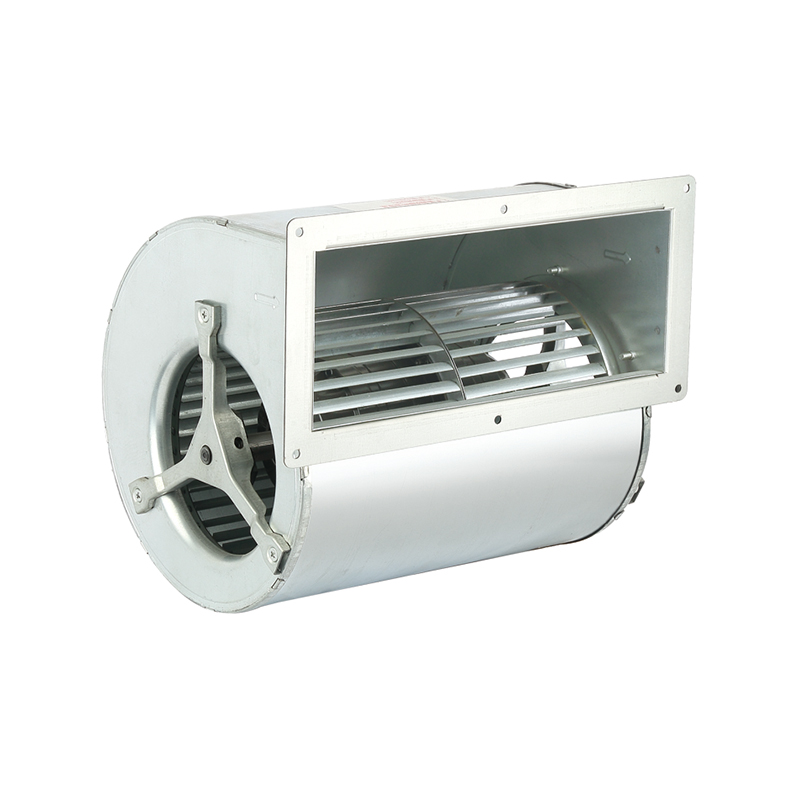
The DKT-133 Cooling Ventilation Double Inlet Air Conditioning Fan is d...
See Details
The DKT-146 Multi-Function Variable Frequency Double Inlet Air Conditi...
See Details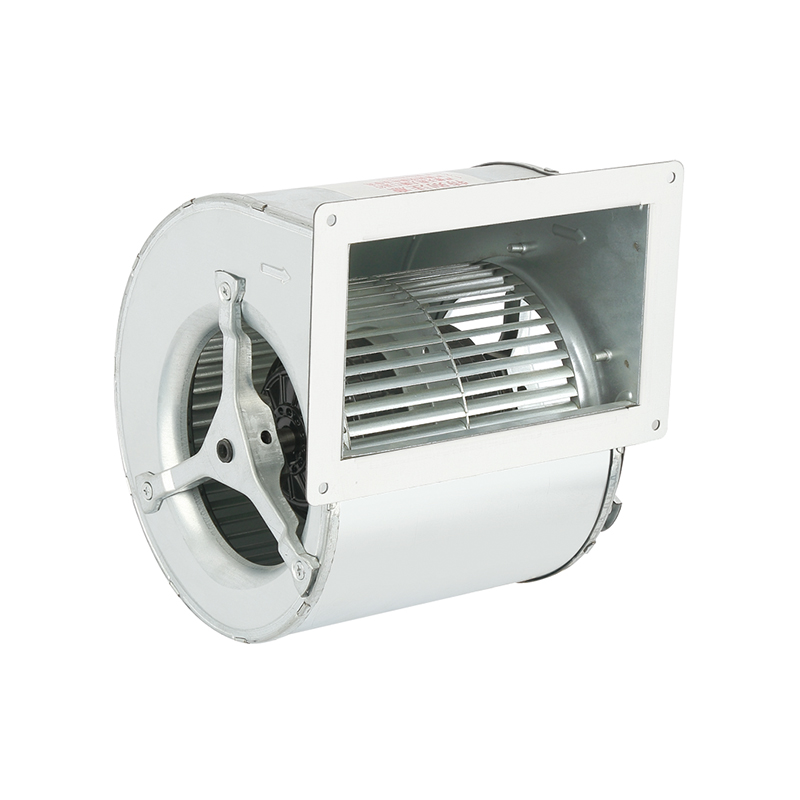
The DKT-160 Heat Dissipation Exhaust Double Inlet Air Conditioning Fan...
See Details
The DKT-180 Tilt Back Cool Down Double Inlet Air Conditioning Fan, a s...
See Details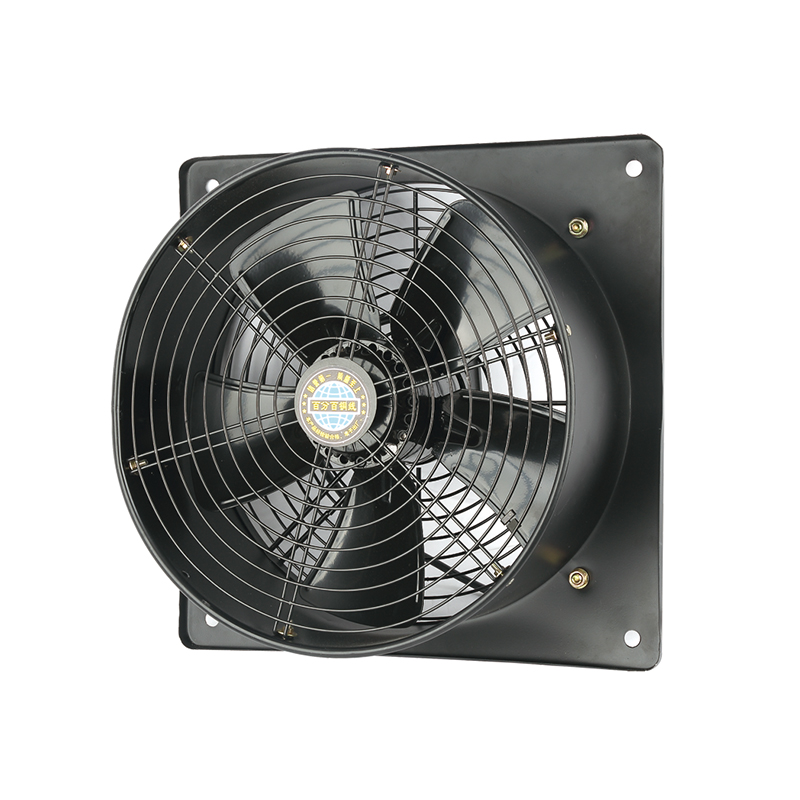
The YWF-400-2D2E Efficient Square form Axial fan is designed with a fo...
See Details
The YWF-350-2D2E Low noise Square form Axial Fan is designed with a co...
See Details
The YWF-350-4D4E Low vibration Square form Axial Fan is a outstanding ...
See Details
The YWF-400-4D4E Durable Square form Axial Fan is designed with advanc...
See Details
Qinlang focuses on providing high-quality products and considerate services, and is committed to meeting every expectation of our customers.
© Zhejiang Qinlang Electromechanical Co., Ltd.
Fans And Air-Cooling Equipment Factory
