 English
 русский
 عربى
عربى Español
Qinlang focuses on providing high-quality products and considerate services, and is committed to meeting every expectation of our customers.
The DKT-133 Cooling Ventilation Double Inlet Air Conditioning Fan is d...
See Details
A Low Noise Axial Fan moves air along the same axis as the rotation of its blades. The air enters one end and leaves the other without changing direction. The simplicity of that airflow path makes axial fans a common choice for many ventilation applications.
The "low noise" designation comes from design choices that reduce sound output. The blades often have shapes that minimize turbulence. The operating speeds stay lower than conventional fans. The motor technology contributes to quiet operation as well. An Axial Flow Fan Manufacturer incorporates these features into products intended for noise-sensitive environments.
The noise reduction does not happen by accident. The blade profile gets shaped to reduce the pressure fluctuations that create sound. The gap between the blade tips and the housing gets controlled to minimize air leakage. The motor mounting reduces vibration transmission. Every part of the fan gets attention to keep the noise level down.
The result is a fan that moves air effectively without producing the sound levels associated with traditional ventilation equipment. That quiet operation allows the fan to run in spaces where noise matters.
Fans that run for hours on end need to hold up under that schedule. A fan used occasionally can use lower-grade components. A fan running continuously needs parts built for extended service.
The bearing system matters for long-term operation. Certain bearing types handle continuous running better than others. The bearing supports the rotating shaft and must maintain its precision over time. The lubrication system needs to work through thousands of running hours.
Motor technology affects reliability as well. Some motor designs handle heat better than others. The insulation system needs to withstand continuous current flow. The cooling of the motor itself matters when the fan runs around the clock.
A Low Noise Axial Fan designed for continuous operation includes these reliability features. The components are chosen for service life. The construction addresses the stresses of long running times.
Standard axial fans move air, though they do so with different priorities. Standard fans often focus on airflow at the expense of noise. The blades may be shaped for maximum air movement rather than quiet operation.
The operating speeds differ between the two types. Low noise fans run at lower speeds. The reduced speed lowers both noise and airflow. Standard fans run faster to move more air. The faster speed generates more noise and consumes more energy.
The construction approaches differ as well. Low noise fans include features that add to the manufacturing cost. The blade design, motor selection, and housing construction all receive attention. Standard fans may use simpler designs that cost less to produce.
| Feature | Low Noise Axial Fan | Standard Axial Fan |
|---|---|---|
| Operating speed | Lower | Higher |
| Blade design | Noise-optimized | Flow-optimized |
| Noise level | Reduced | Higher |
| Energy use | Lower | Higher |
| First cost | Higher | Lower |
Noise in axial fans comes from several sources. The main source is aerodynamic noise from the blades. As the blades move through the air, they create pressure changes that produce sound. The shape of the blade determines how much sound gets generated.
The blade profile can be modified to reduce noise. The shape of the blade section affects how air flows around it. A well-designed blade produces less turbulence. The angle of the blade relative to the airflow affects both performance and noise.
The tip clearance between the blade and the housing contributes to noise. Air passing through the gap creates vortices that produce sound. Controlling the clearance reduces that noise source. The manufacturing precision affects the consistency of the gap.
The motor and bearings generate mechanical noise. Vibration from the motor travels through the housing and radiates as sound. The bearing condition affects the smoothness of rotation. A Low Noise Axial Fan uses components selected for quiet operation. An Axial Flow Fan Manufacturer addresses all these sources during design.
A fan tested in open air often sounds very quiet. The blades move air freely without obstruction. The airflow follows a smooth path from inlet to outlet. The noise level stays low because the air moves through unimpeded.
The situation changes when the fan connects to a system. Ductwork, filters, grilles, and other components create resistance to airflow. The fan has to work harder to push air through those restrictions. The blades experience more load and the airflow becomes less smooth.
As system resistance increases, the fan's noise level goes up. The blades generate more turbulence when they work against resistance. The pressure fluctuations that create sound become more pronounced. The noise produced in a system can differ notably from free-air performance.
The designer needs to consider the actual system conditions when selecting a Low Noise Axial Fan. A fan specified for free air may not meet noise expectations in a real installation. The system configuration affects how quiet the fan will be.
Certain spaces benefit from the qualities that Axial Fans offer. The fan moves air effectively while keeping sound levels down. That combination suits places where people work, live, or gather.
Commercial HVAC systems use these fans in various locations. Office buildings need fresh air circulation without distracting noise. The fans run during working hours when people are present. Quiet operation allows the ventilation to continue without disturbing conversations or concentration.
Data centers present another application. The equipment inside generates heat that needs removal. The cooling fans run continuously to keep temperatures in check. The noise level in data centers matters because people work nearby. A Low Noise Axial Fan provides the airflow needed without adding to the ambient sound.
Indoor farming and greenhouse operations benefit from axial fans as well. Plants need air movement for healthy growth. The fans run for long periods to maintain proper conditions. The quiet operation matters less in these spaces than other factors. The reliability and efficiency of low noise fans make them suitable for growing environments.
An Axial Flow Fan Manufacturer may recommend specific models based on the installation conditions. The airflow requirements, space constraints, and noise expectations all guide the selection.
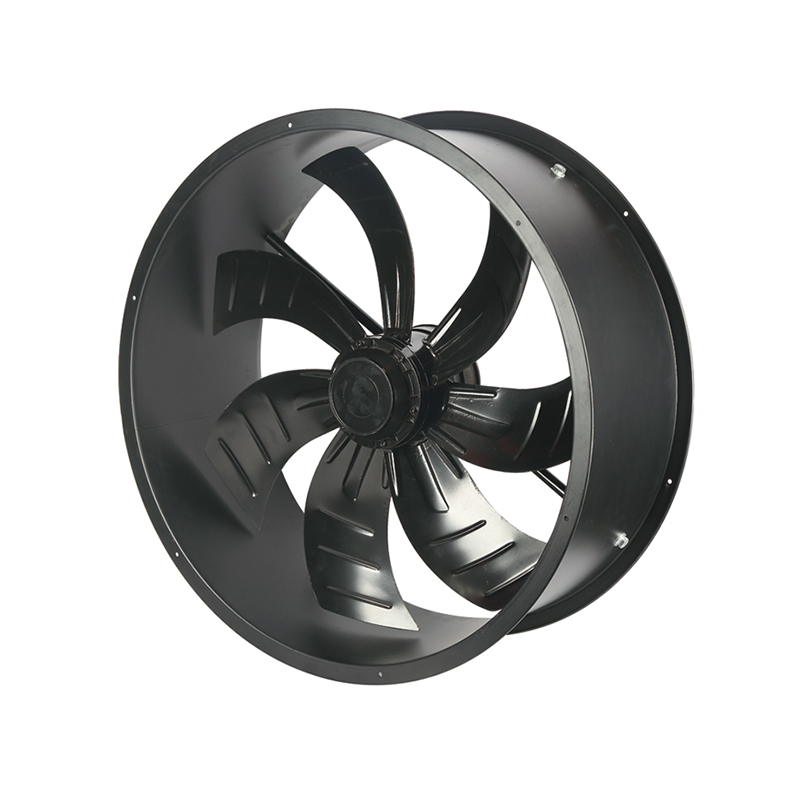
Axial Fans work well in certain conditions and less well in others. Understanding the boundaries helps in selecting the right fan for the job.
Ductwork creates challenges for axial fans. Long ducts, bends, and restrictions all increase system resistance. The fan must work harder to move air through the duct. That extra effort generates more noise. The low noise advantage diminishes as the ductwork gets more complex.
Filters also create resistance. A clean filter offers some resistance to airflow. A dirty filter offers more. The fan has to overcome that resistance to maintain airflow. The pressure drop across the filter affects how hard the fan works and how much noise it produces.
The environment where the fan operates affects performance as well. Outdoor installations face temperature extremes. High heat affects the motor winding insulation. The bearing lubrication may change with temperature. The fan selection needs to consider the operating conditions, not just the airflow requirements.
Centrifugal fans may serve some applications better than axial fans. Centrifugal designs handle high-pressure systems more effectively. The trade-off often comes down to space, noise, and pressure requirements.
The air passing through the fan carries more than just heat. Dust, particles, moisture, and chemicals travel with the airflow. Those contaminants affect the fan components.
The motor sits directly in the airflow path of an axial fan. Air passes over the motor as it moves through the fan. That arrangement means the motor gets exposed to whatever the air contains. Dust accumulates on the motor surface. Moisture can enter the motor through openings.
Bearings are vulnerable to contamination. Particles entering the bearing housing cause wear. The bearing life shortens as contaminants accumulate. The maintenance schedule needs to address the air quality at the installation site.
An Axial Flow Fan Manufacturer may offer different enclosure ratings for different environments. A fan for clean indoor air differs from a fan for dusty or outdoor service. The protection level affects both reliability and cost.
Regular cleaning of the fan blades helps maintain performance. Dust buildup on the blades changes their shape and affects airflow. The fan may work harder with dirty blades, which can increase noise and energy use.
A fan that runs continuously consumes power over many hours. Small differences in efficiency translate to notable differences in energy use. The power cost over a year matters for the total operating expense.
Speed control allows the fan to match its output to the actual demand. A fan running at full speed all the time uses more power than needed. A fan with adjustable speed can reduce output when demand drops. The energy savings add up over extended operation.
The lower operating speed of low noise fans contributes to efficiency as well. Moving air at lower speeds requires less power. The fan does less work to move a given volume of air. The efficiency gain from lower speed affects long-term operating costs.
| Energy Factor | How Low Noise Fan Addresses It | Benefit |
|---|---|---|
| Operating speed | Lower than standard fans | Less power draw |
| Speed control | Variable speed options available | Matches output to demand |
| Motor efficiency | Modern motor designs | Better power conversion |
Choosing a fan involves matching the product to the application. Several factors influence the decision. The right choice depends on what matters for the specific installation.
The airflow requirement comes first. How much air needs to move? The answer determines the fan size and operating speed. The airflow gets measured against the system resistance. The fan needs to deliver the required flow at the pressure created by the system.
The acceptable noise level guides the selection. Some spaces have strict noise limits. Other spaces tolerate higher sound levels. A Low Noise Axial Fan meets the noise requirements while delivering the needed airflow. The noise specification should be realistic for the application and budget.
The operating conditions affect the fan choice. Temperature, humidity, and air quality all matter. A fan that works in a clean office may not work in a greenhouse. The environmental conditions determine the enclosure and materials needed.
The installation space influences the fan selection. Some spaces have room for larger fans. Others have tight clearance constraints. The fan shape and mounting configuration need to fit the available space.
The power supply and control system also factor into the decision. Some installations need simple on-off control. Others require variable speed for demand-based operation.
The selection process balances all these factors. The right fan meets the airflow requirement at an acceptable noise level within the available space. The operating cost over time enters the decision as well.
An Axial Flow Fan Manufacturer can help with the selection process. The manufacturer provides performance data and application guidance. The right fan choice depends on understanding both the product and the application.
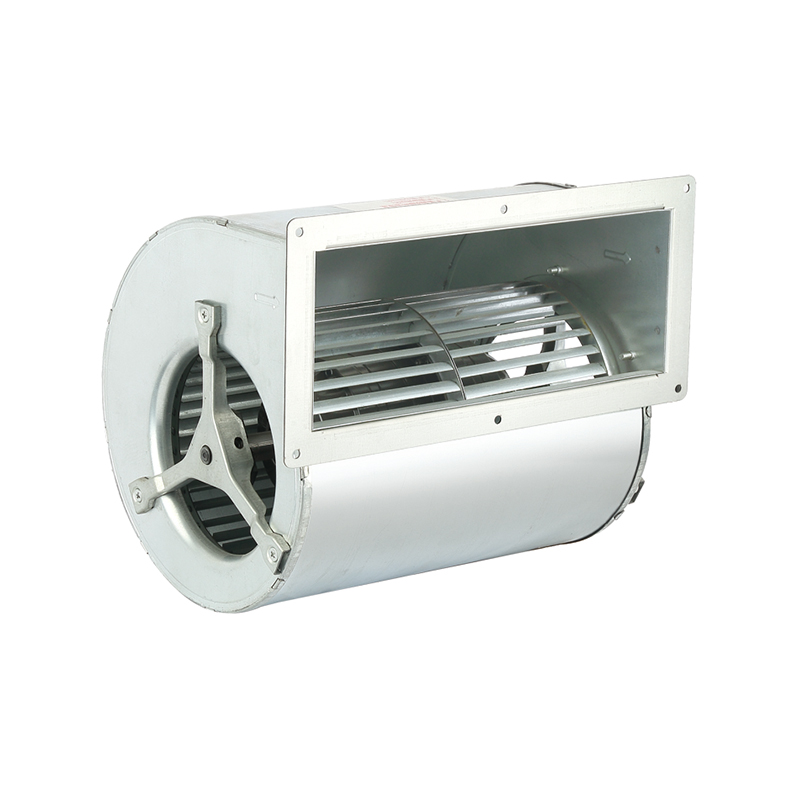
The DKT-133 Cooling Ventilation Double Inlet Air Conditioning Fan is d...
See Details
The DKT-146 Multi-Function Variable Frequency Double Inlet Air Conditi...
See Details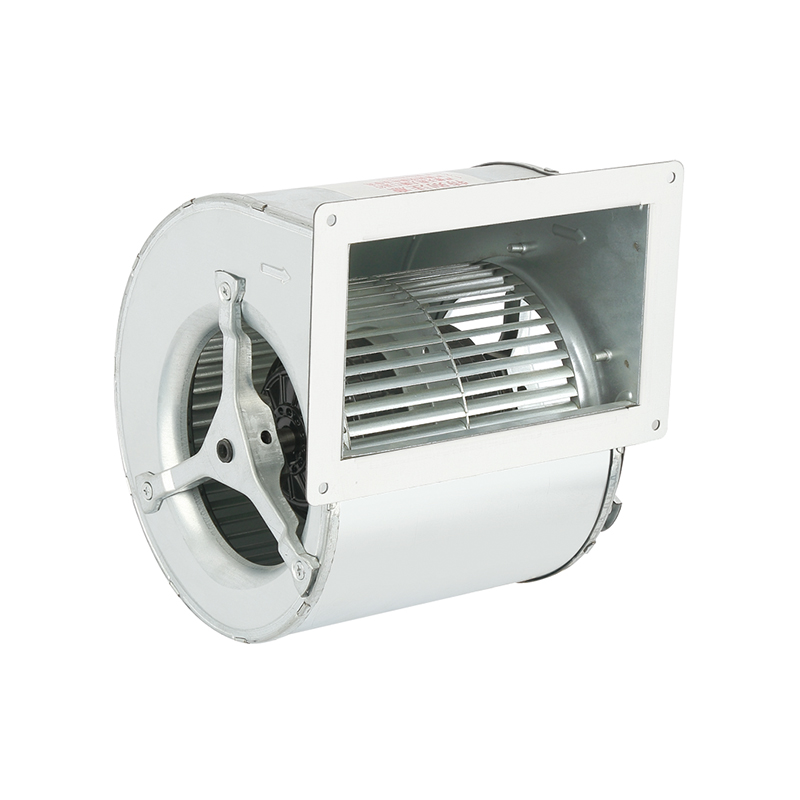
The DKT-160 Heat Dissipation Exhaust Double Inlet Air Conditioning Fan...
See Details
The DKT-180 Tilt Back Cool Down Double Inlet Air Conditioning Fan, a s...
See Details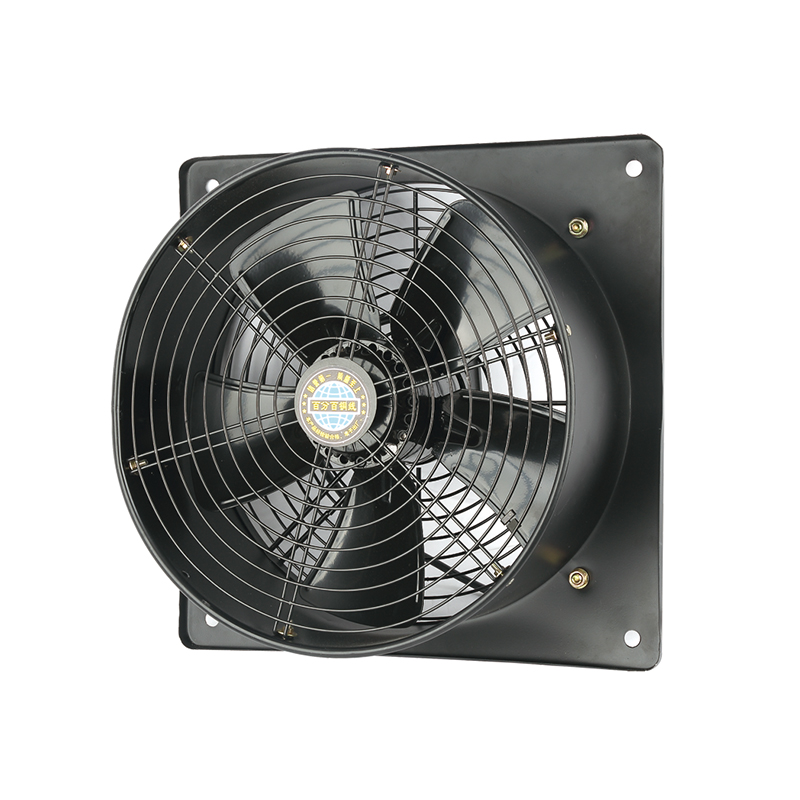
The YWF-400-2D2E Efficient Square form Axial fan is designed with a fo...
See Details
The YWF-350-2D2E Low noise Square form Axial Fan is designed with a co...
See Details
The YWF-350-4D4E Low vibration Square form Axial Fan is a outstanding ...
See Details
The YWF-400-4D4E Durable Square form Axial Fan is designed with advanc...
See Details
Qinlang focuses on providing high-quality products and considerate services, and is committed to meeting every expectation of our customers.
© Zhejiang Qinlang Electromechanical Co., Ltd.
Fans And Air-Cooling Equipment Factory
