 English
 русский
 عربى
عربى Español
Qinlang focuses on providing high-quality products and considerate services, and is committed to meeting every expectation of our customers.
The DKT-133 Cooling Ventilation Double Inlet Air Conditioning Fan is d...
See Details
In many factory areas, heat does not show up as something sudden. It builds quietly while machines keep running, sometimes for hours without pause. Cabinets warm up, metal frames hold that heat, and air inside tight spaces starts to feel "stuck". Once air stops moving well, temperature differences begin to appear in different corners of the same equipment.
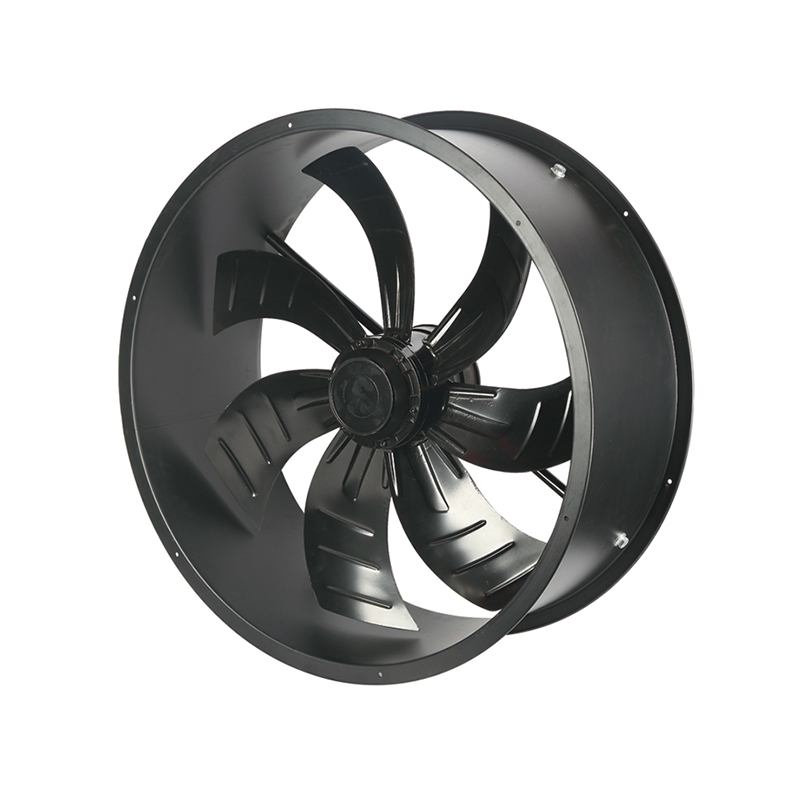
A High Speed Axial Fan is often installed in these situations to push air in a straight path. The idea is simple in practice: move warm air out, let cooler air come in, keep air from sitting still inside closed or semi-closed spaces. Real performance is not only about fan rotation. It is also about where it is placed, how much space is around it, and how the equipment itself is arranged.
Work done by an Axial Flow Fan Manufacturer shows up in details like blade shape, housing spacing, and balance during rotation. After installation, however, everything becomes part of real conditions on site. Dust, wiring layout, cabinet size, and heat sources all start affecting airflow in a very practical way.
Heat problems in industry usually start in a very normal way. A motor runs, electrical parts work, metal parts rub slightly during movement. Each small process gives off heat. One single device may not feel much, but many devices working together inside a limited space change the situation.
In real workshops, space is often arranged based on production needs, not airflow comfort. Machines sit close to each other. Cabinets are placed side by side. Gaps between equipment are sometimes just enough for cables and maintenance hands, not enough for natural air movement.
Air inside those gaps does not move freely. Warm air rises, but without a clear path it stays trapped near the top or inside corners. Over time, one cabinet may feel warmer than another even if both are doing similar work.
Typical situations seen in practice:
At this point, heat is not a sudden failure. It is more like slow filling of warm air inside a space that cannot empty itself properly.
Air inside equipment behaves more like a slow-moving fluid than open wind. Without help, it just drifts around heat sources and stays there. A High Speed Axial Fan changes that by pulling air along one direction and pushing it forward in a straight line.
In real use, air does not move in a clean empty path. It goes around wires, passes through gaps between parts, and finds its way through cabinet openings. The fan does not "cool" directly. It simply keeps air moving so heat has a chance to leave.
A simple flow pattern in real equipment looks like this:
This cycle repeats as long as the fan keeps running. Even if airflow is not strong everywhere inside the cabinet, steady movement already helps reduce trapped heat.
Without stable airflow, heat inside equipment does not spread evenly. Some areas stay relatively fine, while others slowly become warmer. This difference is often noticed first near upper sections or closed corners.
Another common issue is heat sitting around specific components. For example, dense wiring areas or tightly packed parts may block air movement. Once air slows down there, heat stays longer in that same spot.
There is also the simple case of air standing still. When nothing moves, even small heat sources start to build up temperature over time. It does not feel dramatic at the beginning, but it keeps increasing during long operation.
| Situation in Equipment | Without Axial Air Movement | With High Speed Axial Fan |
|---|---|---|
| air inside cabinet | stays still in corners | keeps moving through space |
| heat inside system | collects in small zones | spreads and exits gradually |
| temperature feeling | uneven across areas | more balanced overall |
| long operation result | heat keeps building | heat release becomes smoother |
In most real cases, problem is not only heat itself, but lack of movement that allows heat to escape.
Airflow speed sounds like a technical idea, but in daily use it is simply how fast air is replaced inside a space. Faster movement usually helps remove heat quicker, because warm air does not stay long enough to accumulate.
Still, speed alone does not solve everything. If air has no clear path, it can still get trapped in blocked areas. That is why layout and spacing matter almost as much as fan performance.
Inside real systems, airflow faces resistance from:
When resistance is high, even strong airflow loses part of its effect. When space is more open, air moves more naturally and heat leaves more easily.
So in practice, airflow performance is a balance between movement strength and space condition.
A High Speed Axial Fan is not only a spinning part. Its structure decides how air actually behaves inside equipment.
Blade shape guides air direction. If shape is not stable, airflow becomes scattered instead of directed. Housing keeps air movement aligned, so flow does not spread randomly inside space.
Rotation balance also matters in real use. When rotation is uneven, vibration appears, and airflow becomes less steady. That small instability can affect how air travels inside tight equipment areas.
Main structural parts involved:
Each part supports airflow in a slightly different way, but all contribute to keeping air movement consistent inside real equipment spaces.
Before any installation happens, manufacturing quality already sets a starting point. An Axial Flow Fan Manufacturer controls material selection, shaping process, and assembly accuracy.
Blade material needs to hold shape during continuous rotation. Housing must stay stable under long running conditions. Assembly alignment decides whether airflow remains smooth or becomes uneven during use.
In practical production flow:
Even small differences in assembly can change airflow behavior later, especially in tight industrial spaces where air paths are already limited.
After a High Speed Axial Fan is installed, actual behavior often depends less on the fan itself and more on the space around it. In many workshops, installation is done inside existing equipment layouts, which means airflow paths are not always ideal.
One common situation is limited clearance. When the fan sits too close to walls, panels, or dense wiring, air has less space to move freely. Warm air may still leave the area, but not in a smooth flow. Instead, it can circulate in small loops inside the same zone before finally escaping.
Another point comes from alignment. If airflow direction does not match the natural opening of the cabinet or enclosure, part of the air may return into the system space. That reduces the efficiency of heat removal, especially during long operation cycles.
Cable routing and internal layout also play a quiet role. In real equipment, wires, brackets, and control parts often sit inside airflow paths. Even small obstacles can slow air movement and create small "still zones" where heat collects.
Practical installation factors often include:
In field conditions, cooling performance is often adjusted step by step rather than fully solved at once.
Work environments vary a lot from site to site, and airflow systems respond to those differences. Dust is one of the most common influences. When dust accumulates on fan blades or ventilation paths, air movement becomes less smooth. It does not stop airflow completely, but it slows down exchange over time.
Temperature around the equipment also matters. When surrounding air is already warm, the difference between inside and outside air becomes smaller. Cooling still happens, but the pace of heat release becomes slower.
Humidity can also affect airflow movement in indirect ways. In some environments, moisture changes how air feels and how heat spreads inside enclosed spaces. Equipment placed in such conditions may show slightly different cooling behavior compared with dry areas.
Real environmental influences include:
These conditions do not break the system, but they shape how effectively heat can leave the equipment area.
During long operation, certain patterns appear again and again in industrial cooling setups. One of them is uneven cooling inside the same equipment. One side stays relatively stable, while another side feels warmer. This often relates to airflow not reaching all corners equally.
Another issue is airflow loss over distance. Air movement becomes weaker as it travels through complex paths. In larger enclosures, heat near the fan area may be removed more quickly than heat deeper inside the system.
Noise change is also noticed in some cases. When airflow meets resistance or imbalance, sound becomes slightly different from normal running condition. It does not always indicate failure, but it shows airflow is under different working pressure.
Typical field observations:
These signs usually develop slowly, not suddenly, giving time for inspection during routine maintenance.
Maintenance in real workshops is usually simple and practical. Cleaning plays a central role. Dust on blades or ventilation paths reduces air movement gradually, so removing it helps restore airflow conditions closer to original state.
Mounting structure is another area often checked. Screws and supports may loosen slightly after long operation due to vibration. Re-tightening helps keep fan position stable and prevents airflow direction from shifting.
Air paths inside equipment also need attention. When openings become partially blocked by dust or surrounding objects, airflow loses part of its effectiveness.
Common maintenance actions include:
Maintenance does not change design, but it helps keep airflow behavior closer to intended conditions.
High Speed Axial Fans are used in many practical situations where air movement is needed more than strong pressure. In electrical cabinets, they help reduce heat buildup from control components. In machinery rooms, they support general air circulation around working equipment.
In production areas, they are often placed where space is limited and heat sources are close together. Instead of building large ventilation systems, smaller axial units are used to guide air through specific zones.
Some common application environments:
In each case, role of airflow is similar: keep air moving so heat does not remain trapped in one place for too long.
Cooling performance does not depend on fan alone. System layout decides how air travels after it leaves the fan. If layout supports clear movement paths, airflow reaches deeper areas. If layout is complex or blocked, air may circulate only in limited zones.
In many real systems, airflow is adjusted through spacing rather than equipment change. Small changes in position, opening size, or internal arrangement can shift how heat moves inside the system.
Over time, stable cooling often comes from matching airflow direction with real equipment structure. When both work together, heat removal becomes more consistent during long operation periods.
Industrial heat removal is rarely solved by one component alone. High Speed Axial Fan provides movement, while system layout and environment decide how that movement behaves in practice.
Axial Flow Fan Manufacturer work appears in structure and balance, but real performance develops inside working conditions. Airflow stability, installation space, and maintenance habits all contribute to how heat is finally released from equipment systems.
In real workshops, cooling is less about intensity and more about steady movement that can keep up with continuous heat generation.
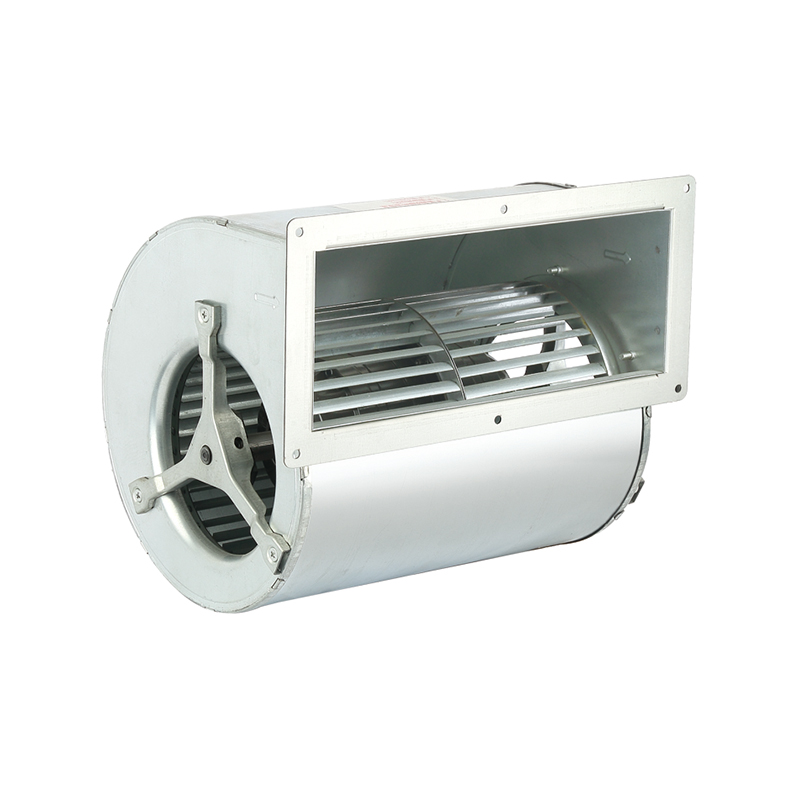
The DKT-133 Cooling Ventilation Double Inlet Air Conditioning Fan is d...
See Details
The DKT-146 Multi-Function Variable Frequency Double Inlet Air Conditi...
See Details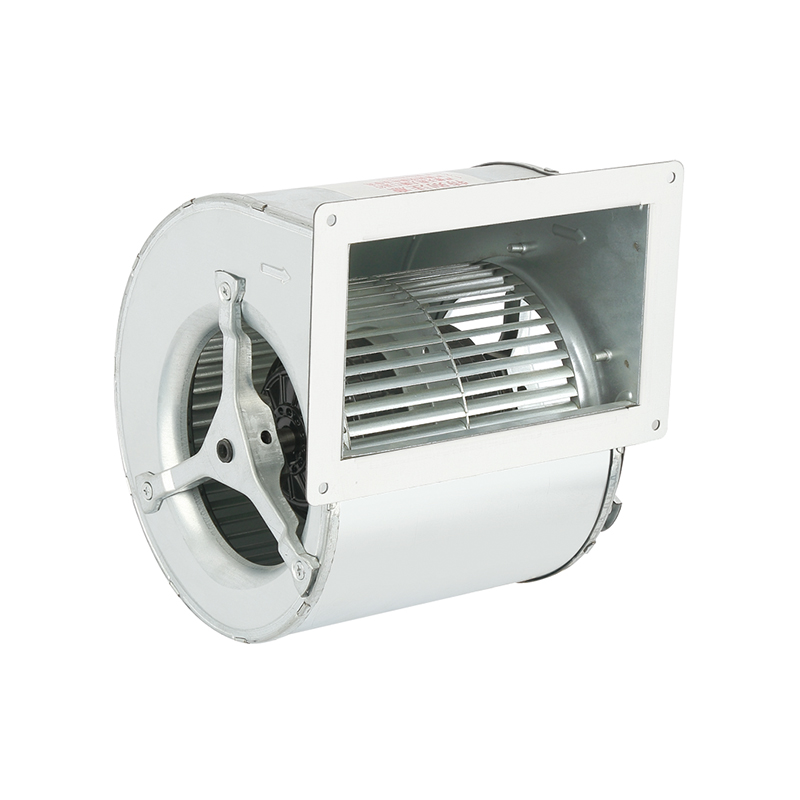
The DKT-160 Heat Dissipation Exhaust Double Inlet Air Conditioning Fan...
See Details
The DKT-180 Tilt Back Cool Down Double Inlet Air Conditioning Fan, a s...
See Details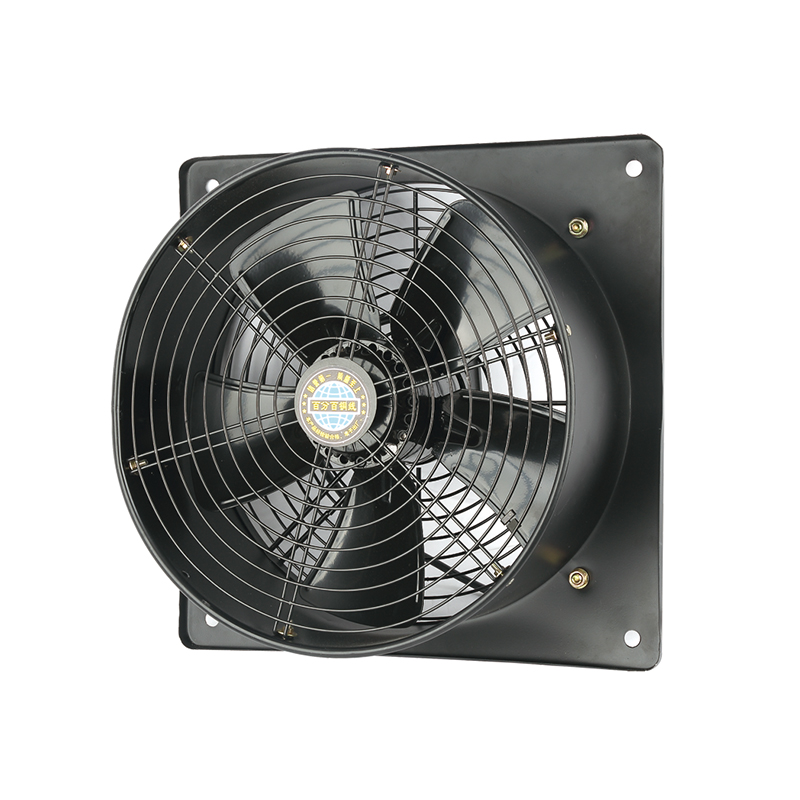
The YWF-400-2D2E Efficient Square form Axial fan is designed with a fo...
See Details
The YWF-350-2D2E Low noise Square form Axial Fan is designed with a co...
See Details
The YWF-350-4D4E Low vibration Square form Axial Fan is a outstanding ...
See Details
The YWF-400-4D4E Durable Square form Axial Fan is designed with advanc...
See Details
Qinlang focuses on providing high-quality products and considerate services, and is committed to meeting every expectation of our customers.
© Zhejiang Qinlang Electromechanical Co., Ltd.
Fans And Air-Cooling Equipment Factory
