 English
 русский
 عربى
عربى Español
Qinlang focuses on providing high-quality products and considerate services, and is committed to meeting every expectation of our customers.
The DKT-133 Cooling Ventilation Double Inlet Air Conditioning Fan is d...
See Details
A High Speed Axial Fan behaves in a fairly direct way when air has space to move away. Once the same fan is placed inside a closed room, the situation changes in a way that can be felt more than explained. Air does not leave freely anymore. It hits a wall, turns back, mixes again, then moves forward once more. After a short while, the airflow stops looking like a straight path and starts to feel like a cycle that never fully clears.
In daily use, this shows up in simple ways. A room may feel fine at the beginning. After the fan runs for some time, air inside the space starts to feel less "fresh” in certain corners. Not because the fan is weak, but because air keeps returning into the same area again and again. The space itself becomes part of the airflow pattern.
Heat makes this even more noticeable. Machines running inside the same room, even small ones, slowly raise the temperature. Warm air does not sit still. It moves upward, spreads, and mixes into the flow created by the fan. Once that happens, the fan is no longer moving neutral air. It is moving air that already carries heat and motion history from the room.
Pressure inside a closed space also does not stay even. One side of the room can feel slightly heavier than another. It is not dramatic, but enough to change how air moves. A High Speed Axial Fan keeps adjusting to those small shifts without stopping. That constant adjustment is part of why performance feels different compared with open air use.
Air resistance in enclosed spaces does not come from one single cause. It comes from many small things working together. A wall that is too close. A machine placed in the wrong spot. A narrow path between two objects. Even the shape of the room itself adds resistance without being obvious.
When air meets these obstacles, it does not simply stop. It slows down, turns, and finds another path. Some of it returns back toward the fan. Some spreads sideways. Some stays trapped in small circulation zones. Over time, airflow starts to feel less clean and less predictable.
In real use, return airflow is one of the more noticeable effects. Air that was already pushed forward comes back again after bouncing off a surface. It mixes with incoming air at the fan intake. That mixing makes the airflow feel less stable, even though the fan speed has not changed.
| Space condition | What air tends to do | How the fan feels in use |
|---|---|---|
| Open space | Moves away freely | Smooth and steady push |
| Semi-open space | Some bounce-back | Slight variation in flow |
| Closed space | Air keeps circling | Uneven and shifting flow |
The key point is not that the fan changes. The environment changes how air behaves after it leaves the fan.
Where the fan sits inside a closed space often decides how well it works. A High Speed Axial Fan placed too close to a wall or corner does not get clean air around its intake. Air arrives unevenly, sometimes from one side more than the other. That uneven entry affects the rest of the airflow.
Even a small shift in position can change the result. Moving the fan a short distance away from a wall can allow air to come in more evenly. Leaving too little space around it often creates a kind of "blocked breathing” effect, where intake feels restricted.
Height matters in a very practical way. Warm air naturally rises. Cooler air stays lower. Inside a closed room, this layering becomes more visible than people expect. A fan placed higher may deal more with warm air that has already collected near the ceiling. A lower position may deal with denser air that has not moved much yet.
Surroundings also matter. If another machine is pushing air nearby, or if heat is coming from one direction, airflow will not stay balanced. The fan will always react to what is around it, even if the difference is small.
Simple factors that affect placement:
These details do not look important at first, but they shape airflow behavior every time the system runs.
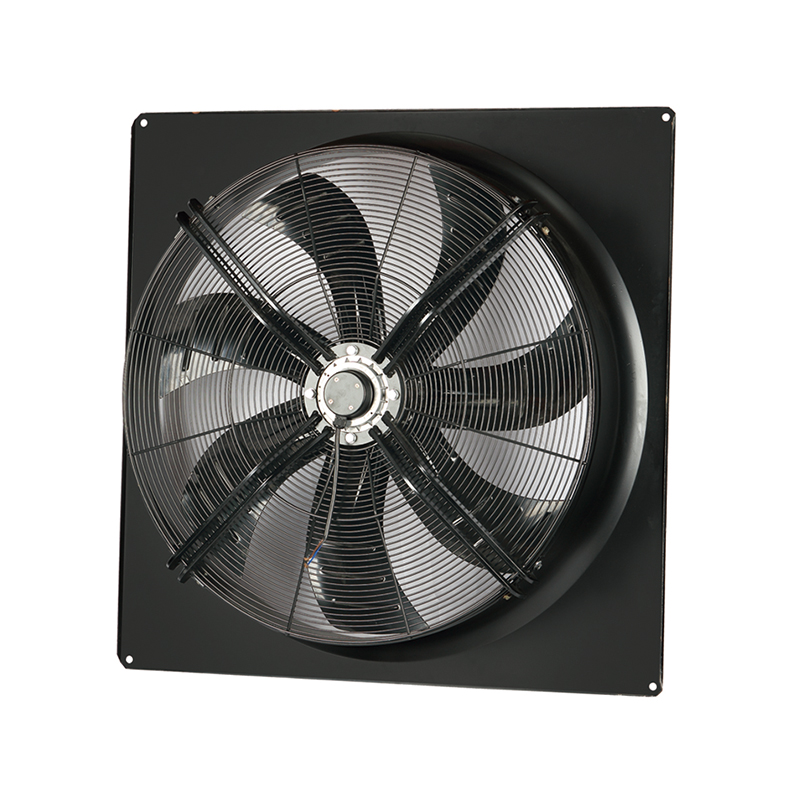
Inside a High Speed Axial Fan, motor load does not stay completely steady when conditions change. In enclosed spaces, airflow resistance keeps shifting slightly, so the motor also adjusts its effort again and again.
When air becomes harder to move, the motor feels more resistance. That means more load. When airflow clears for a moment, load drops again. This back-and-forth does not stop during operation, especially in closed environments where air keeps returning.
If the fan runs continuously, the system tends to settle into a more stable rhythm after some time. If it keeps starting and stopping, the load changes feel more noticeable, and airflow may feel less even.
Temperature inside the motor area also plays a role. As everything warms up during operation, internal behavior changes slightly. Nothing sudden, but enough to influence how steady airflow feels during long use.
Enclosed spaces hold heat in a way that is easy to overlook at the beginning. Air starts moving, everything feels normal, then slowly the temperature begins to build up. Walls, machines, and even air itself start holding that heat inside the same space.
A High Speed Axial Fan then works with air that is already warm. That changes how air moves. Warm air feels lighter, but it does not always behave in a stable way inside tight spaces. It shifts, rises, and mixes in uneven patterns.
In open areas, warm air can escape and be replaced quickly. In closed rooms, it stays longer and keeps circulating. The same air may pass through the fan multiple times before leaving the space, which changes the overall feeling of airflow over time.
At that point, airflow and temperature stop being separate things. They start affecting each other continuously inside the same loop.
Once a High Speed Axial Fan keeps running inside a closed space, airflow resistance does not stay in one fixed state. It shifts quietly with time, depending on how air moves around objects, walls, and open gaps. What starts as a simple push of air gradually becomes a mix of forward flow and return flow.
In practical use, resistance often shows up as "uneven breathing” of the space. One moment air feels like it is moving smoothly outward, the next moment it feels like part of it is coming back. That backflow does not always look visible, yet it changes the feeling of stability during operation.
Small obstacles inside the room play a bigger role than expected. A shelf edge, a machine corner, even a narrow passage between equipment can split airflow into different directions. After splitting, air does not easily reunite into a single clean stream. Instead, it keeps circulating in smaller loops.
Over time, the fan is not only pushing air outward. It is also working against air that has already been pushed before. That repeated interaction creates a kind of internal circulation that is typical in enclosed environments.
Dust inside closed environments builds slowly, often without being noticed during daily operation. A High Speed Axial Fan keeps pulling air through the same space, and whatever is inside that air gradually moves across blades, housing surfaces, and nearby structures.
Once particles start to collect, airflow paths become slightly less smooth. Not blocked completely, just less clean in movement. Air that once passed freely begins to face small surface friction effects, especially around blade edges.
Blade balance can also feel different over long use periods. Even a thin layer of buildup changes how air splits across the blade surface. That small shift affects airflow direction inside the enclosure.
Another point comes from uneven deposition. Dust does not settle evenly. Some areas collect more than others, depending on airflow direction. That uneven pattern can slowly change how air exits the fan, making one side slightly stronger than the other.
In real operation, this is often noticed as gradual change rather than sudden drop in performance.
In many real setups, a High Speed Axial Fan does not work alone. It often connects with ducts, vents, or other airflow devices. Once multiple systems share the same space, airflow behavior becomes more layered.
Air pushed by the fan may enter a duct, travel through a narrow path, then return into the same room from another direction. That return path can either support circulation or disturb balance, depending on layout.
When airflow systems are not aligned well, pressure differences appear between connected points. Some areas receive stronger airflow, while others stay weaker. That imbalance affects how evenly air spreads inside the enclosure.
In more complex setups, airflow becomes a network of movements rather than a single direction. The fan becomes one part of a larger circulation cycle, not the only driver of air movement.
Operation style has a noticeable effect on how a High Speed Axial Fan behaves over time. Continuous running and repeated start-stop cycles create different internal conditions.
Continuous operation tends to create a more stable airflow pattern once the system settles. Air inside the enclosure begins to move in a consistent rhythm, even if the space remains closed.
Repeated start and stop cycles create a different situation. Each restart means airflow has to rebuild from a near still condition. That repeated reset causes small variations in pressure and movement each time.
Over longer periods, these differences can be felt in how steady airflow appears during daily use. Continuous use feels more uniform, while frequent cycling feels more irregular.
Choosing a High Speed Axial Fan for enclosed environments is less about single performance numbers and more about matching real space conditions. Enclosed areas behave differently depending on size, layout, and heat sources.
Space size changes how air circulates. Smaller rooms tend to build pressure faster, while larger enclosed spaces may allow slower but wider circulation loops.
Heat sources inside the space also matter. Equipment, lighting, or other machines can raise temperature and affect airflow density. That changes how air moves after leaving the fan.
Maintenance access should also be considered. In enclosed areas, cleaning and inspection are not always easy. Dust buildup and airflow changes happen quietly over time, so access to the fan becomes important for long-term stability.
Key points usually considered:
When these conditions are understood together, the fan can be matched more closely to real operating behavior rather than only theoretical performance.
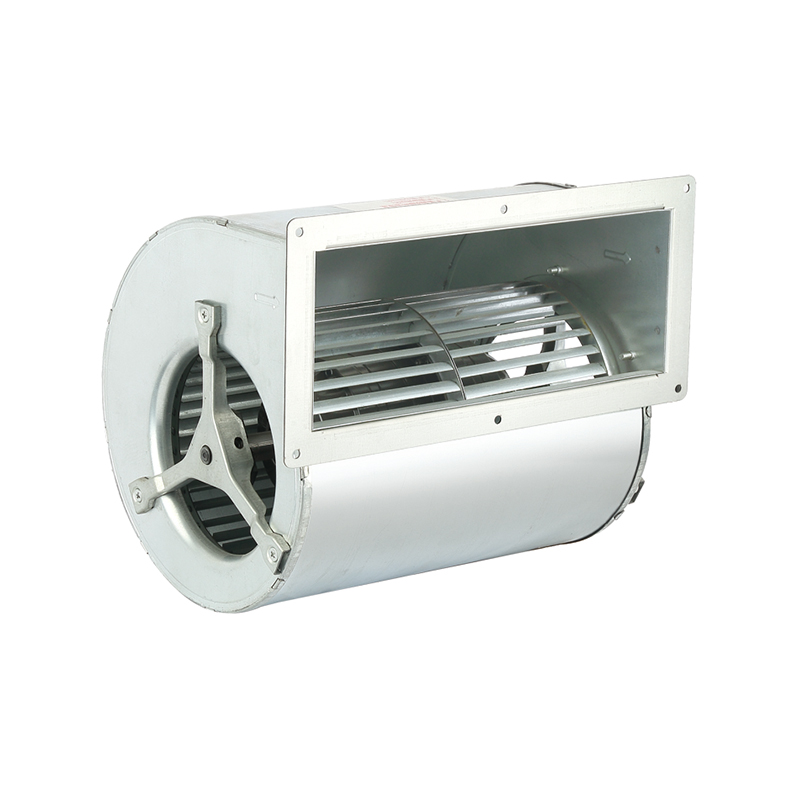
The DKT-133 Cooling Ventilation Double Inlet Air Conditioning Fan is d...
See Details
The DKT-146 Multi-Function Variable Frequency Double Inlet Air Conditi...
See Details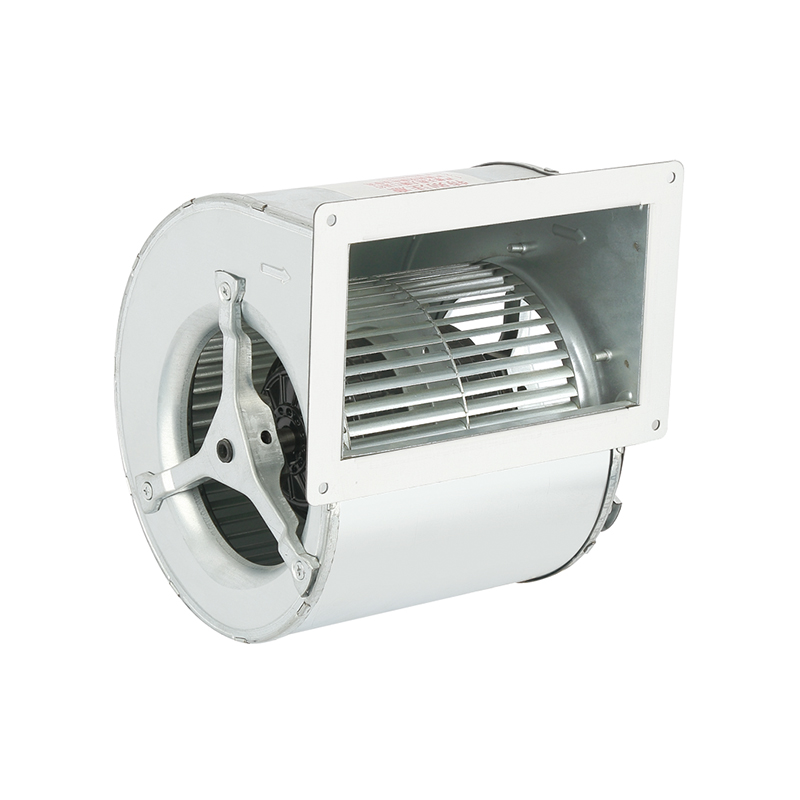
The DKT-160 Heat Dissipation Exhaust Double Inlet Air Conditioning Fan...
See Details
The DKT-180 Tilt Back Cool Down Double Inlet Air Conditioning Fan, a s...
See Details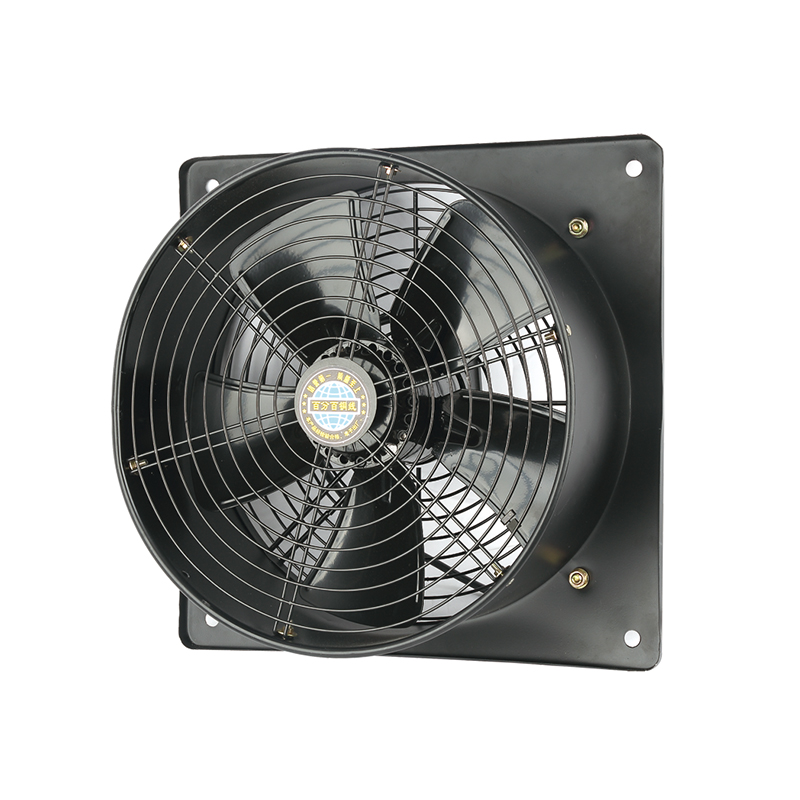
The YWF-400-2D2E Efficient Square form Axial fan is designed with a fo...
See Details
The YWF-350-2D2E Low noise Square form Axial Fan is designed with a co...
See Details
The YWF-350-4D4E Low vibration Square form Axial Fan is a outstanding ...
See Details
The YWF-400-4D4E Durable Square form Axial Fan is designed with advanc...
See Details
Qinlang focuses on providing high-quality products and considerate services, and is committed to meeting every expectation of our customers.
© Zhejiang Qinlang Electromechanical Co., Ltd.
Fans And Air-Cooling Equipment Factory
