 English
 русский
 عربى
عربى Español
Qinlang focuses on providing high-quality products and considerate services, and is committed to meeting every expectation of our customers.
The DKT-133 Cooling Ventilation Double Inlet Air Conditioning Fan is d...
See Details
Air inside enclosed spaces never stays still for long once ventilation begins. It starts moving through channels, bends around structures, and passes repeated mechanical points. That movement keeps indoor conditions stable, yet it also introduces sound that slowly becomes part of the background.
Low Noise Axial Fan is often placed in these environments where air circulation runs for long periods. Sound does not appear from a single cause. It builds step by step through airflow, rotation, and contact between moving air and fixed surfaces.
Axial Flow Fan Manufacturer design choices influence how all those small interactions develop. Even slight differences in internal layout can change how air behaves once it enters a confined space.
Over time, people inside the room begin to notice patterns in the airflow sound. Not sharp changes, more like a steady presence that shifts depending on how air moves through the system and how the room responds to it.
Noise inside a ventilation system forms through multiple layers rather than one clear source. Each layer contributes a different type of sound, and together they create what is heard in the room.
Blade movement is one of the starting points. As blades rotate through air, resistance forms along the surface. Air does not always separate smoothly from the blade edge. Small uneven zones appear, and those zones create slight variations in pressure that repeat with each rotation cycle.
Motor activity adds another layer. Rotation inside the motor is designed to stay balanced, yet tiny shifts still occur during operation. Those small movements travel into the housing and spread outward as vibration. Once vibration meets larger surfaces, it turns into sound that blends with airflow noise.
Air pressure inside ducts or enclosed areas also changes during operation. When air is pushed forward continuously, pressure differences form between entry and exit points. Those differences do not stay constant. They shift slowly, creating a background variation in sound level.
Main contributors to noise can be grouped as:
Each part alone may feel minor, yet together they shape the overall acoustic environment.
Blade design has a direct effect on how air moves before it becomes sound. When air flows smoothly across a surface, it stays closer to a steady path. When it breaks away too quickly, turbulence forms and sound becomes more noticeable.
In Low Noise Axial Fan structures, blade geometry is shaped to guide air gradually instead of forcing abrupt direction changes. That slow transition reduces sudden pressure differences near the edges of the blades.
Rotation also matters. Each blade passes through the same air repeatedly. If airflow remains consistent, sound stays even. If airflow becomes uneven, sound begins to fluctuate in a way that can be noticed inside enclosed rooms.
There is a repeating cycle involved:
When that cycle stays stable, indoor sound feels more uniform. When it shifts irregularly, small variations become noticeable over time.
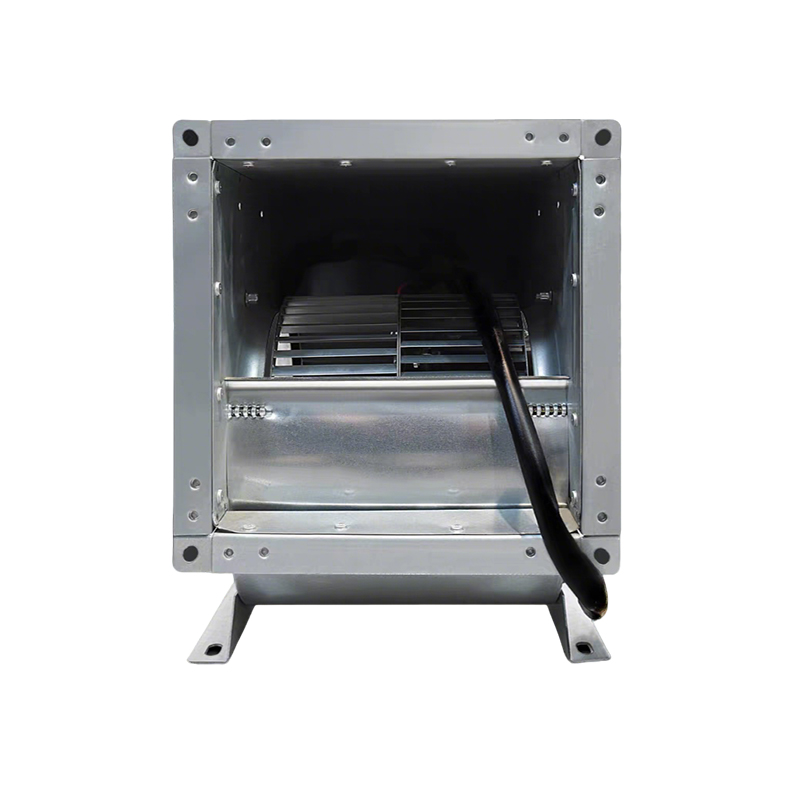
Motor performance sits at the center of the system because every movement starts there. If rotation is steady, the rest of the airflow follows a more predictable pattern. If rotation shifts slightly, those changes travel outward through the entire structure.
Inside Low Noise Axial Fan operation, balanced motion reduces uneven force distribution. That means blades pass through air in a more controlled rhythm, avoiding sudden changes in airflow pressure.
Even small instability can create ripple effects. A slight vibration in the motor can move into the housing, then into the air channel, and finally become part of the sound heard in the room.
Motor-related acoustic behavior often shows up as:
Axial Flow Fan Manufacturer adjustments often focus on keeping this balance stable rather than changing one single component in isolation.
Housing design acts like a boundary between internal movement and external sound. Even when airflow and motor behavior remain steady, the way the casing handles vibration decides how much sound escapes into the environment.
Materials used in the housing influence how vibration travels. Some structures absorb movement more quietly, while others allow vibration to pass more easily across surfaces.
Shape also plays a role. When internal paths guide airflow in a smoother direction, pressure shifts become less sudden. That reduces the chance of sound spikes forming inside the enclosed space.
A simple comparison helps illustrate the difference:
Structural BehaviorInternal EffectSound Result
| Structural Behavior | Internal Effect | Sound Result |
|---|---|---|
| rigid vibration transfer | sound spreads quickly | sharper background noise |
| guided airflow channels | smoother air movement | steadier sound level |
| separated vibration zones | reduced transfer | softer indoor presence |
The housing does not remove sound completely. It shapes how sound moves from inside the system into the room.
Air does not behave in a fixed way once it enters a system. It reacts to space, pressure, and direction changes. If air enters too suddenly, small pressure shocks form. If exit flow is uneven, turbulence increases near the outlet.
Low Noise Axial Fan systems are designed to reduce these sudden transitions. Air is guided through a more controlled path so movement stays closer to a steady pattern.
When airflow remains stable, sound follows the same stability. When airflow breaks into uneven movement, sound becomes more irregular inside enclosed environments.
Typical airflow behavior includes:
Airflow consistency often decides how noticeable the system becomes inside a room, especially during long operation cycles.
Many people focus on the fan itself when talking about noise, yet the room often changes what is actually heard.
A unit installed in a large open area can sound very different from the same unit placed in a narrow enclosed space. Air moves through the fan in a similar way, though the surrounding surfaces react differently. Sound waves bounce from walls, ceilings, ducts, and corners. Some rooms absorb part of that energy. Others send it back into the space.
A simple example can be found in everyday life. Speaking in an empty room often sounds louder than speaking in a room filled with furniture. Ventilation noise follows a similar pattern. The amount of sound generated may stay relatively close, while the way people perceive it changes considerably.
Duct arrangement also affects the result. Air prefers smooth travel paths. When air repeatedly encounters sudden turns or restrictions, small disturbances appear. Each disturbance may seem insignificant on its own, though together they can alter the overall sound character.
Factors that often influence indoor acoustic performance include:
For that reason, reducing noise is not only about selecting a quieter fan. The surrounding environment contributes to the final listening experience every day.
Noise reduction rarely comes from a single dramatic design change. More often, it develops through many small refinements spread throughout the product.
Engineers spend considerable time looking at how air behaves while passing through the fan. Air never travels in a perfectly orderly way. It expands, contracts, changes speed, and reacts to nearby surfaces. Small adjustments to internal geometry can influence those reactions.
Blade edges are one example. A minor change in shape may alter how air leaves the rotating surface. Internal spacing is another area. When components are arranged carefully, airflow encounters fewer unnecessary disruptions.
Motor positioning matters as well. Rotation generates force, and force travels through connected structures. Keeping mechanical movement balanced helps prevent extra vibration from spreading into surrounding parts.
Common areas receiving attention include:
Viewed separately, each adjustment appears modest. Together, they can noticeably influence how the system sounds during operation.
Indoor spaces share one common requirement: people spend time inside them. Because of that, airflow quality and sound comfort often need to exist side by side.
Office environments are one example. Air circulation may continue throughout the working day. Employees often become more aware of repetitive background sounds than sudden short noises. A steady and less intrusive airflow pattern generally blends more naturally into the environment.
Residential settings present another situation. During evening hours, small sounds that go unnoticed during busy periods may become easier to hear. Ventilation equipment operating quietly helps maintain a calmer atmosphere.
Educational facilities, indoor work areas, commercial spaces, and shared public environments face similar considerations. Air movement remains necessary, yet excessive mechanical presence can become distracting.
Common indoor applications include:
Although each location has different airflow needs, stable acoustic performance remains a widely valued characteristic.
| Indoor Environment | Airflow Focus | Sound Expectation |
|---|---|---|
| Office spaces | Continuous circulation | Low distraction |
| Residential areas | Comfort ventilation | Soft background sound |
| Indoor work zones | Air movement consistency | Stable acoustic level |
| Shared public spaces | Balanced airflow distribution | Reduced sound concentration |
A ventilation system behaves much like a chain. Every component influences the next one. When one section becomes unstable, the effect may spread through the rest of the system.
Airflow offers a good example. Smooth airflow reduces unnecessary pressure variation. Lower pressure variation reduces the chance of vibration becoming amplified. Reduced vibration places less stress on structural components. As a result, sound remains more predictable over time.
Mechanical balance plays a similar role. Rotating parts operate repeatedly through countless cycles. Stable movement helps maintain consistent airflow patterns rather than creating changing acoustic behavior from day to day.
What often matters is not achieving silence. Indoor ventilation will always produce some level of sound because air itself is moving. The goal is usually consistency. A stable background sound tends to attract less attention than irregular fluctuations.
Long-term acoustic stability is often associated with:
When those elements remain aligned, the system tends to maintain similar acoustic characteristics throughout extended operation.
People rarely think about ventilation when it operates smoothly. Attention usually shifts elsewhere because the system becomes part of the background rather than the focus of the room.
Low Noise Axial Fan contributes to that outcome through a combination of airflow management, mechanical stability, and structural design. No single feature creates the entire effect. Airflow patterns, blade movement, housing behavior, and installation conditions all participate in shaping what people eventually hear.
Axial Flow Fan Manufacturer design efforts often concentrate on reducing unnecessary disturbances inside the airflow path. Smoother air movement generally produces fewer abrupt pressure changes. Better vibration control limits the amount of mechanical energy reaching surrounding structures. Careful housing design influences how sound travels before it enters the room.
Indoor ventilation is ultimately a balance between moving air and maintaining a comfortable environment. When airflow remains steady and unnecessary noise is reduced, the system performs its practical task while remaining less noticeable to the people sharing the space.
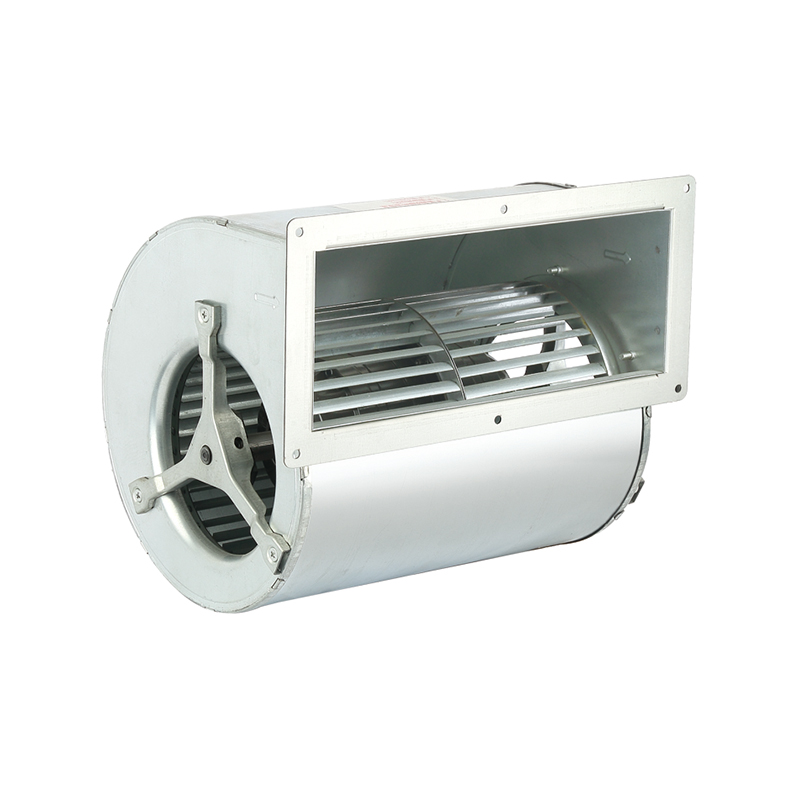
The DKT-133 Cooling Ventilation Double Inlet Air Conditioning Fan is d...
See Details
The DKT-146 Multi-Function Variable Frequency Double Inlet Air Conditi...
See Details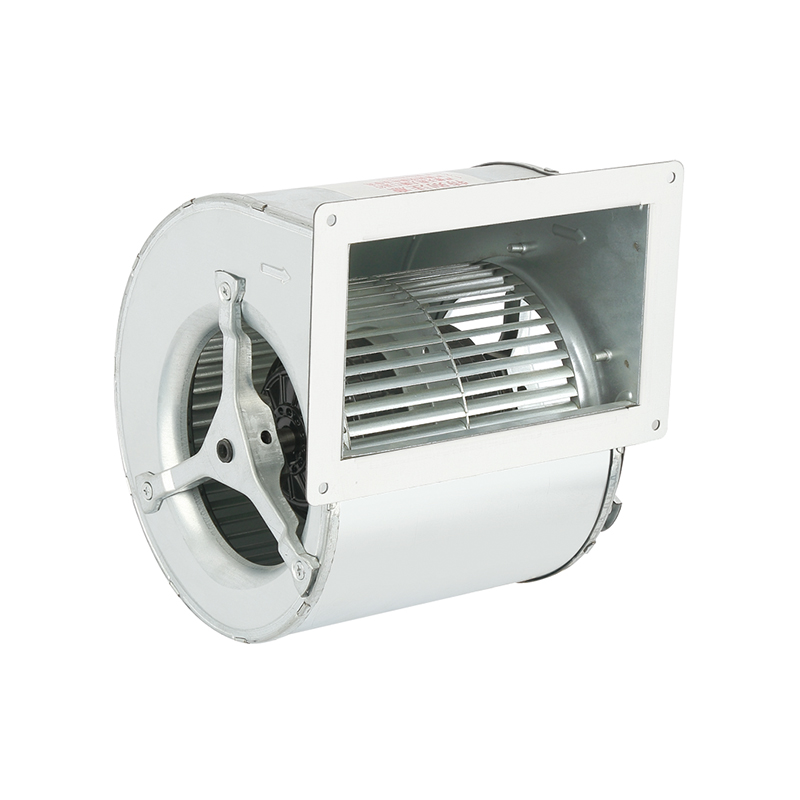
The DKT-160 Heat Dissipation Exhaust Double Inlet Air Conditioning Fan...
See Details
The DKT-180 Tilt Back Cool Down Double Inlet Air Conditioning Fan, a s...
See Details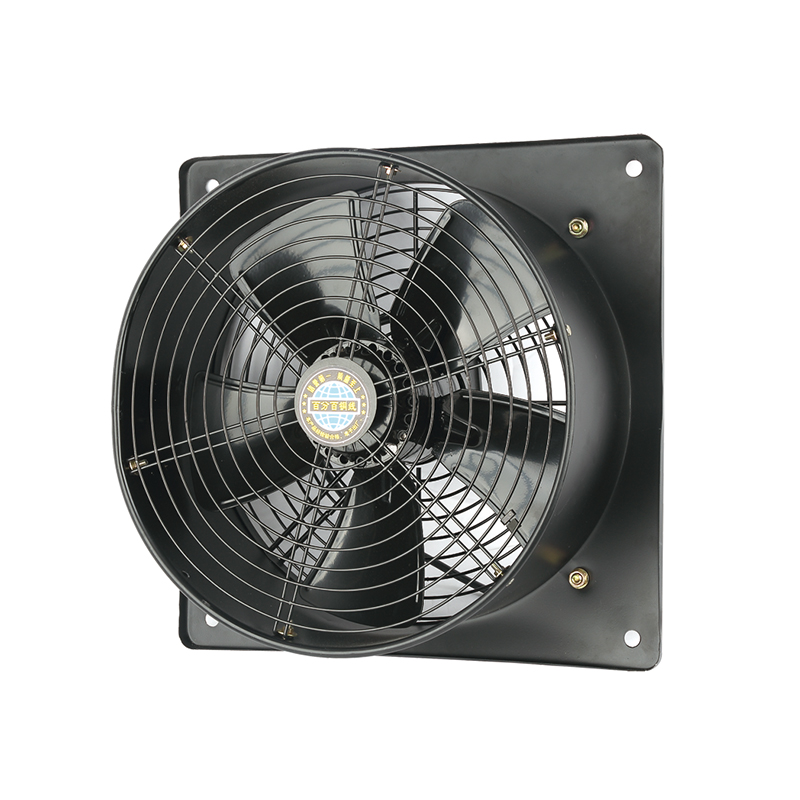
The YWF-400-2D2E Efficient Square form Axial fan is designed with a fo...
See Details
The YWF-350-2D2E Low noise Square form Axial Fan is designed with a co...
See Details
The YWF-350-4D4E Low vibration Square form Axial Fan is a outstanding ...
See Details
The YWF-400-4D4E Durable Square form Axial Fan is designed with advanc...
See Details
Qinlang focuses on providing high-quality products and considerate services, and is committed to meeting every expectation of our customers.
© Zhejiang Qinlang Electromechanical Co., Ltd.
Fans And Air-Cooling Equipment Factory
