 English
 русский
 عربى
عربى Español
Qinlang focuses on providing high-quality products and considerate services, and is committed to meeting every expectation of our customers.
The DKT-133 Cooling Ventilation Double Inlet Air Conditioning Fan is d...
See Details
A ventilation fan in a workshop is often running while other work is taking place nearby. Dust from materials, small particles, moisture, or oily residue can travel through the surrounding air and settle on surfaces over time. A unit may still appear to work normally even when dirt has started to build up, which makes routine observation useful for deciding when cleaning is actually needed.
There is no single cleaning interval that suits every working area. A relatively clean space may place little pressure on the equipment, while a busy processing area can leave visible residue around the blades, guard, or air openings much sooner. Looking at the working environment alongside the condition of the equipment gives a more realistic basis for maintenance planning.
Where the equipment is installed can make a noticeable difference. A unit close to a dusty workstation will naturally encounter more airborne material than one positioned farther away. Particles can also behave differently depending on the work being carried out, so two areas within the same workshop may require different cleaning arrangements.
Operating habits add another factor. Equipment that runs through much of the working day is continually exposed to the surrounding air. A unit used only from time to time may gather residue more slowly, although long periods of inactivity can still allow dust to settle on exposed surfaces.
Rather than following a fixed routine without checking conditions, maintenance planning can take several observations into account:
A short visual check during ordinary workshop activities can often reveal whether attention is becoming necessary. There is little value in treating every installation exactly alike when the environments around them are clearly different.
Dirt on the outer guard is easy to notice, although changes in operation may provide useful clues before heavy buildup becomes visible. Air may seem weaker in an area that previously had steady movement, or an unfamiliar sound may appear during operation. Small changes are worth noting rather than waiting for a clear drop in performance.
Vibration deserves similar attention. A slight change may come from accumulated material, a mounting issue, or another part of the assembly that needs inspection. Cleaning alone will not resolve every cause, which is why checking the physical condition alongside surface cleanliness is useful.
A routine visual inspection can include:
Familiar equipment can sometimes make gradual changes harder to notice because workers become accustomed to its normal sound and movement. Comparing current conditions with earlier observations can help bring those differences into view.
It also helps to distinguish a cleaning task from a condition check. Wiping a dusty outer surface may improve cleanliness, yet it does not answer why a unit has started vibrating or sounding different. Both aspects deserve attention when a change is noticed.
Not all dust behaves in the same way. Wood particles may spread across a work area, heavier material residue can settle relatively close to its source, and some processes leave fine particles that remain suspended for longer. Oily substances create another situation because they can form a sticky layer that holds additional dust against a surface.
Once particles enter an air-moving area, they may collect around blades, protective covers, and openings. A thin layer can gradually become more noticeable as the equipment continues to operate. Parts that are easy to see from outside are worth checking, although hidden edges and nearby passages can also gather material.
Location often provides a useful clue when deciding how frequently to clean. A unit positioned beside a dusty workstation may need attention sooner than another serving a cleaner section of the same building. Moving production activities can change that situation as well, so an old maintenance routine may need adjustment when the surrounding work changes.
| Workshop Condition | What May Appear | Suitable Maintenance Focus |
| Dusty work area | Residue on exposed surfaces | Inspect and clean as needed |
| Relatively clean area | Light surface dust | Continue regular observation |
| Damp surroundings | Moisture or surface changes | Check exposed parts carefully |
| Oily work area | Sticky deposits | Choose a suitable cleaning method |
| Changing work activity | Different types of residue | Reassess the cleaning routine |
Cleaning should match what has actually accumulated. Loose dry dust can be handled differently from damp deposits or oily residue, and careless cleaning around electrical parts may create another concern. Keeping moisture away from unsuitable areas is particularly important during any cleaning work.
A High CFM Axial Fan may be installed where substantial air movement is required, so keeping its air path reasonably clear forms part of ordinary care. Fan type alone does not determine how often cleaning should take place. Conditions around the installation remain just as important.
For equipment working in a dusty area, blades, guards, air openings, mounting points, and nearby passages deserve periodic attention. In a cleaner environment, the same parts may stay relatively free of buildup for longer. What matters is how the unit is actually being used rather than applying one maintenance pattern to every workplace.
Changes in airflow can offer another practical indication. A different feel around an outlet, an unfamiliar sound, or visible accumulation may suggest that inspection is due. None of these signs should be considered in isolation, since a change in operation can have more than one possible cause.
Routine care is therefore easier to manage when it follows real conditions. A simple habit of looking at the equipment, noticing changes in its surroundings, and cleaning when buildup becomes apparent can provide a more sensible basis for maintenance than an inflexible schedule. Over time, such observations can also show whether a particular work area needs more frequent attention or whether its existing routine remains suitable.

Cleaning a Workshop Ventilation Fan is not only about removing visible dust from its outer surface. Different parts can collect different kinds of residue, and some areas may be easy to overlook during routine cleaning. A quick visual check around the fan can therefore provide useful information before any cleaning work begins.
Blade surfaces deserve close attention because dust or oily material can remain on them after passing through the surrounding air. Guards and nearby openings may also collect particles, especially in a busy work area. When buildup becomes noticeable, cleaning should focus on removing the residue without pushing it deeper into the fan.
Other parts also deserve regular observation:
Different conditions call for different levels of attention. A relatively clean area may only need simple observation, while a dusty or oily workplace may require closer inspection. Moisture also deserves attention because prolonged exposure can change the condition of exposed surfaces and connections.
A ventilation fan is often part of the normal working environment, so maintenance needs to fit naturally into workshop routines. Cleaning during active production can spread loosened dust into the surrounding area or interfere with other work. Choosing a suitable time makes the process easier to control.
Before cleaning starts, the surrounding area can be checked for loose material, dust deposits, oil residue, or moisture. Power should be disconnected according to the equipment and workplace safety procedure, with enough time allowed for moving parts to stop completely.
Cleaning should also match the type of residue. Dry dust may be removed differently from sticky deposits, while moisture requires careful handling around electrical parts. Excessive liquid should not be allowed to enter areas where it could affect electrical connections or other sensitive components.
After cleaning, a short inspection can help confirm that nothing has been left around the air passage, guard, mounting area, or other accessible parts. A clean surface is useful, yet the condition of the whole installation matters as well.
Airflow can change gradually, making small differences easy to miss during normal workshop activity. Dust on a blade, residue around an inlet, or an obstruction near an outlet can affect how air moves through the equipment. Loose mounting parts may also create vibration or unusual operating sounds.
Regular maintenance provides an opportunity to notice such changes before they become part of normal operation. Cleaning removes accumulated material, while inspection helps identify physical changes that cleaning alone cannot address.
A practical maintenance check can consider several points together:
| Area Checked | What to Observe | Maintenance Focus |
| Blades | Dust or residue buildup | Clean exposed surfaces |
| Air openings | Blocked or restricted areas | Keep airflow paths clear |
| Motor exterior | Dust, moisture, or visible changes | Keep the outer area clean |
| Mounting parts | Movement or unusual looseness | Check supporting connections |
| Surrounding area | Material close to the fan | Keep nearby airflow space open |
Keeping airflow stable does not always require frequent deep cleaning. A suitable routine comes from observing actual conditions and responding when changes appear. Regular light inspection can also reduce the chance that a small buildup remains unnoticed for a long period.
No single cleaning schedule suits every workshop. A production area handling wood, plastic, metal, packaging material, or other dusty products may place different demands on ventilation equipment. Even within the same facility, one work area can stay relatively clean while another collects residue quickly.
Workload also changes the situation. Equipment running regularly during busy periods may need closer observation than a fan used only occasionally. Changes in production activity can introduce a different type of airborne material, making an old maintenance routine less suitable.
Workshop layout matters as well. A fan positioned close to a dusty process may collect residue more quickly than equipment installed farther away. Limited space around the air inlet or outlet can create another concern because nearby materials may interfere with airflow.
Damp surroundings need a slightly different approach. Moisture can remain on exposed surfaces and may gradually affect the condition of metal parts or visible connections. In such areas, inspection should include signs of surface change rather than focusing only on dust.
A useful maintenance routine can therefore be adjusted when:
A practical routine does not need to depend entirely on a fixed calendar. Regular observation can work alongside planned cleaning, allowing maintenance decisions to reflect what is actually happening around the equipment.
Daily attention does not necessarily mean taking the fan apart or performing a detailed inspection. A simple look at the surrounding area can reveal unusual dust buildup, blocked openings, changes in airflow, or unfamiliar operating sounds. More detailed cleaning can then be arranged when the condition calls for it.
For workshops with changing workloads, the routine can be reviewed whenever production conditions change. A new material, a different work process, or a change in fan location may alter how quickly residue reaches the equipment.
A useful approach is to keep several habits together:
A High CFM Axial Fan also benefits from this condition-based approach. Higher airflow does not remove the need for cleaning, since airborne dust and other material can still settle on exposed surfaces. Attention to the inlet, blades, guard, surrounding space, and mounting condition helps keep routine maintenance connected to actual operating conditions.
Over time, the useful question is less about following a fixed cleaning interval and more about whether the equipment remains clean, unobstructed, stable, and suitable for the workshop environment. That approach leaves room for differences between work areas while keeping ventilation maintenance practical and easier to manage.
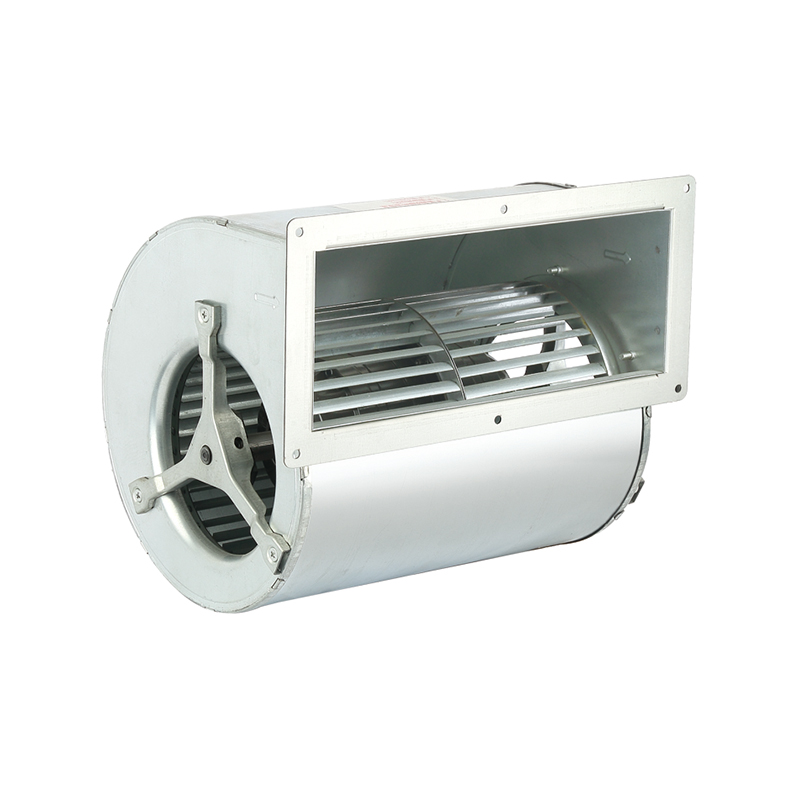
The DKT-133 Cooling Ventilation Double Inlet Air Conditioning Fan is d...
See Details
The DKT-146 Multi-Function Variable Frequency Double Inlet Air Conditi...
See Details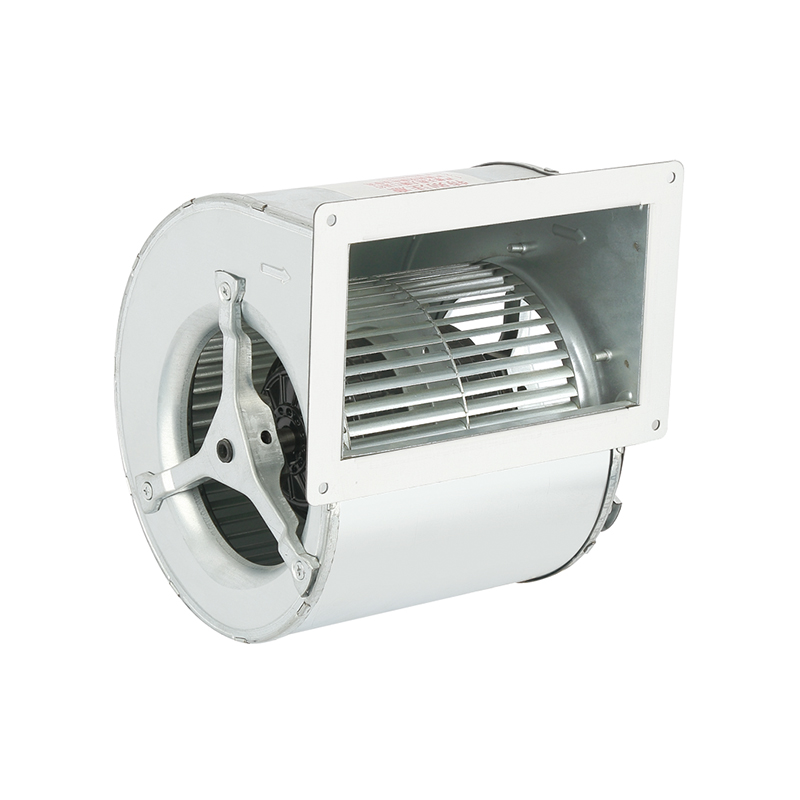
The DKT-160 Heat Dissipation Exhaust Double Inlet Air Conditioning Fan...
See Details
The DKT-180 Tilt Back Cool Down Double Inlet Air Conditioning Fan, a s...
See Details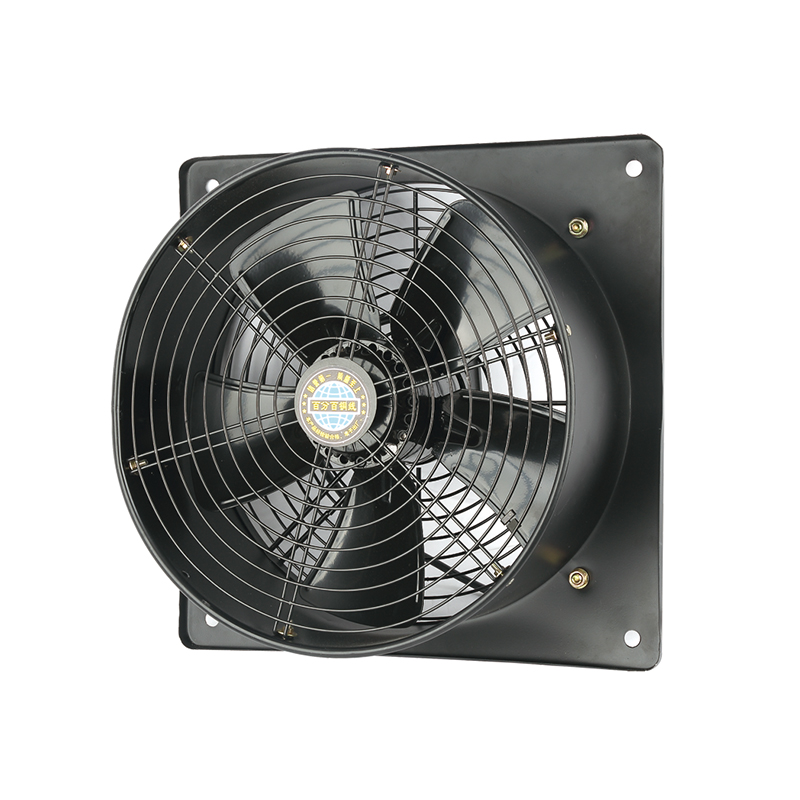
The YWF-400-2D2E Efficient Square form Axial fan is designed with a fo...
See Details
The YWF-350-2D2E Low noise Square form Axial Fan is designed with a co...
See Details
The YWF-350-4D4E Low vibration Square form Axial Fan is a outstanding ...
See Details
The YWF-400-4D4E Durable Square form Axial Fan is designed with advanc...
See Details
Qinlang focuses on providing high-quality products and considerate services, and is committed to meeting every expectation of our customers.
© Zhejiang Qinlang Electromechanical Co., Ltd.
Fans And Air-Cooling Equipment Factory
