 English
 русский
 عربى
عربى Español
Qinlang focuses on providing high-quality products and considerate services, and is committed to meeting every expectation of our customers.
The DKT-133 Cooling Ventilation Double Inlet Air Conditioning Fan is d...
See Details
Garage ventilation is often considered only when the air begins to feel warm, stale, or difficult to circulate. In practice, air movement is closely related to the way a garage is used. A space used for parking has different airflow needs from one that also contains workbenches, storage shelves, bicycles, tools, or household equipment.
Fan size affects how air moves through the available space. A smaller unit can fit into a restricted area without taking up much room, while a larger unit may move air across a broader part of the garage. Neither choice can be separated from the physical layout.
The position of doors and windows also matters. Air needs an entry point and an exit path to move through a closed space. When the available openings are located on opposite sides, air can travel through a larger area. When openings are close together, circulation may remain concentrated around one part of the room.
Objects inside the garage can change the airflow path as well. A parked vehicle creates a large obstruction, while shelves and stacked boxes can divide the room into smaller sections. A fan placed behind such obstacles may not provide the expected circulation, even when its physical size appears suitable.
For that reason, choosing a fan starts with the garage rather than the fan itself. Space, layout, openings, installation position, and intended use all provide useful clues.
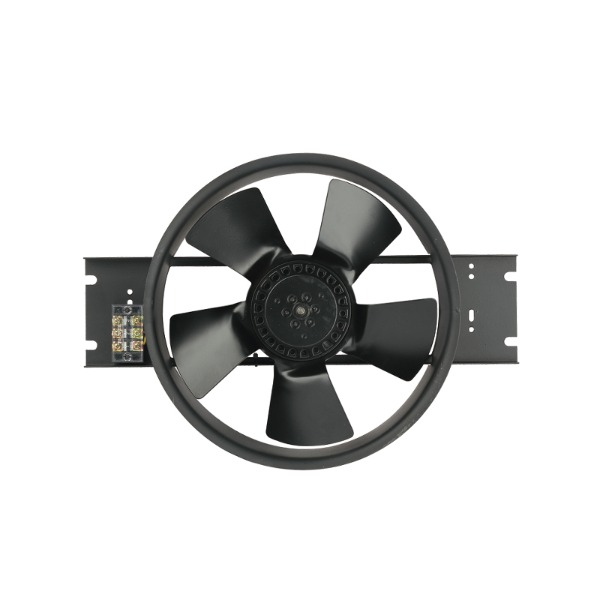
A 250mm Axial Fan can be considered where available installation space is limited and ventilation is needed within a relatively compact area. Its physical size can make placement easier around windows, walls, doors, or other restricted positions.
Smaller garages often have several competing uses. A wall may already contain storage equipment, electrical fittings, or shelves, leaving only a narrow area for ventilation equipment. A compact fan can fit into such surroundings without requiring a large section of the wall to be cleared.
Air movement also depends on distance. In a compact garage, the airflow from a smaller fan may reach the areas that matter without requiring a larger housing. For example, a fan positioned near a work area can help move stagnant air toward an open door or window.
The intended purpose should still be considered. Local air movement and whole-room circulation are not the same task. A garage used mainly for parking may need a different arrangement from a space where regular repair or hobby work takes place.
A practical check can include:
A 400mm Axial Fan may be considered when the garage has a larger open area or when air needs to move across a wider section of the room. A larger fan occupies more physical space, so the surrounding installation conditions need to be checked before a decision is made.
In a broad garage, air can become unevenly distributed. One area may remain relatively still while another receives direct airflow from a doorway or window. Larger fan equipment can be useful when the intended airflow needs to cover a greater part of the available space.
The internal arrangement remains important. A large fan placed directly behind a vehicle, tall shelf, or partition may not create the desired circulation. Open space in front of the fan gives the moving air a clearer path, while the location of an opposite opening affects where that air can travel.
A larger fan can also influence how the garage is used. In a space that serves as both a parking area and a workshop, the fan may need to move air beyond a single working position. Placement near an external opening can help create a more defined path through the room.
The choice should not be based simply on the idea that a larger fan automatically suits every large space. Physical clearance, airflow direction, available openings, and everyday activities all need to be considered together.
Once the basic space requirements are clear, the next step is to look at the actual garage environment. Measurements are useful, although physical dimensions alone do not describe how air will behave inside the room.
The internal layout deserves close attention. A garage filled with shelving and stored materials may behave differently from an open parking space of similar size. Air can change direction when it meets large objects, and narrow passages can restrict circulation.
Doors and windows provide another important reference. A fan works within an airflow path, so the location of an opening can affect how useful that path becomes. An exhaust position without a suitable air entry point may not create steady circulation throughout the room.
The intended use should also be written down before selecting equipment. Common situations include:
Each arrangement creates different priorities. A workshop may place greater importance on moving air around a working area, while a storage-focused garage may need circulation across relatively fixed sections.
Installation clearance should be checked at the same time. The surrounding wall, window frame, door movement, electrical access, and nearby objects all influence where a fan can be installed.
With those conditions identified, the comparison between fan sizes becomes more practical. Rather than treating diameter as an isolated specification, the choice can be connected to the actual airflow path, available space, and way the garage is used.
Fan size is only one part of how air moves through a garage. The direction of airflow can change the result considerably. A fan installed near a door, window, or wall opening creates a different circulation pattern from one placed in the middle of a room.
A compact fan can work around a defined area when the intended airflow path is relatively short. In a garage with a workbench near an outside opening, for example, positioning the unit to move indoor air toward that opening may help reduce stagnant air around the working space.
Larger equipment can create a wider airflow path, although surrounding objects still have an effect. A vehicle parked directly in front of the fan can interrupt the air movement and leave areas behind it less affected. Storage racks can create a similar barrier.
Airflow planning therefore benefits from looking at the garage as a connected space. The fan location, air inlet, outlet, and internal obstacles should work together rather than being considered separately.
A simple layout check can focus on three points:
The answers help determine whether a smaller or larger unit fits the intended circulation pattern. They can also reveal that moving the installation position may be more useful than changing the fan size.
Noise becomes more noticeable when a garage is also used as a working or hobby area. A person repairing equipment, organizing tools, or carrying out household tasks may spend considerable time near the ventilation equipment. In such cases, airflow needs have to be considered alongside the sound produced during operation.
Fan size can influence the way the equipment feels in the room, although noise does not come from size alone. Installation position, surrounding surfaces, airflow resistance, and the condition of the fan can all affect the perceived sound.
A unit installed close to a workbench may seem louder simply because the person remains nearby for longer periods. Moving the equipment toward a less frequently occupied wall can change the experience without changing the ventilation arrangement.
The garage structure also plays a role. Hard wall and ceiling surfaces can reflect sound, while enclosed corners may make operating noise more noticeable. A fan mounted beside a frequently used doorway may also attract more attention than one positioned away from regular activity.
Daily use provides a useful basis for comparison. Consider:
A ventilation choice that fits the airflow requirement still needs to suit the way the room is occupied. Practical comfort comes from balancing both factors.
Installation space can narrow the available options before airflow requirements are considered. Wall openings, window frames, door positions, electrical access, and nearby storage all compete for usable space in a garage.
A 250mm Axial Fan can be easier to accommodate where the available mounting area is relatively restricted. A compact installation may also leave more room around storage equipment or a work area.
A 400mm Axial Fan requires a larger physical opening and sufficient clearance around the equipment. The surrounding structure needs to provide enough room for installation without interfering with doors, shelves, lighting, or other garage fixtures.
Access after installation deserves attention as well. Dust and debris can accumulate in a garage, especially around vehicles and storage areas. Routine cleaning becomes less convenient when the fan is installed behind equipment or in a difficult-to-reach location.
Before installation, several details can be checked:
These checks can prevent a situation where the selected fan fits the airflow requirement yet creates difficulties during everyday use.
A useful comparison begins with the actual purpose of ventilation rather than the assumption that one fan size suits every garage. The two sizes can serve different spatial arrangements, and the appropriate choice depends on how air needs to move through the room.
| Garage Consideration | 250mm Axial Fan | 400mm Axial Fan |
|---|---|---|
| Available installation space | More suitable where mounting space is restricted | Requires more room around the installation area |
| Airflow area | Useful for a defined or compact area | Can suit a broader open area |
| Garage layout | Works around compact layouts when positioned carefully | Can be considered for larger open layouts |
| Storage obstacles | Position needs to avoid shelves and stored items | Requires clear space to make the airflow path useful |
| Everyday use | Can fit areas near a work or storage zone | Can suit spaces where air needs to travel across a wider area |
| Installation access | Easier to consider where wall space is limited | Needs sufficient structural and surrounding clearance |
For a smaller garage or a location with limited mounting space, the 250mm Axial Fan may fit the physical conditions more naturally. The decision still depends on the airflow route and the location of openings.
A 400mm Axial Fan can be considered where a broader space needs air movement and there is adequate room for installation. A larger physical size should not be treated as a substitute for proper airflow planning. Obstacles, doors, windows, and the position of the fan remain important.
The choice also changes with the purpose of the garage. Parking, storage, vehicle maintenance, and workshop activities can place different demands on air circulation. Looking at those activities alongside the room layout creates a clearer basis for selecting the appropriate size.
In practical terms, the selection process can follow a simple sequence: identify where stagnant air tends to remain, locate possible air entry and exit points, check available mounting space, then consider how the garage is occupied during normal use. Fan size becomes one part of that decision rather than the only factor.
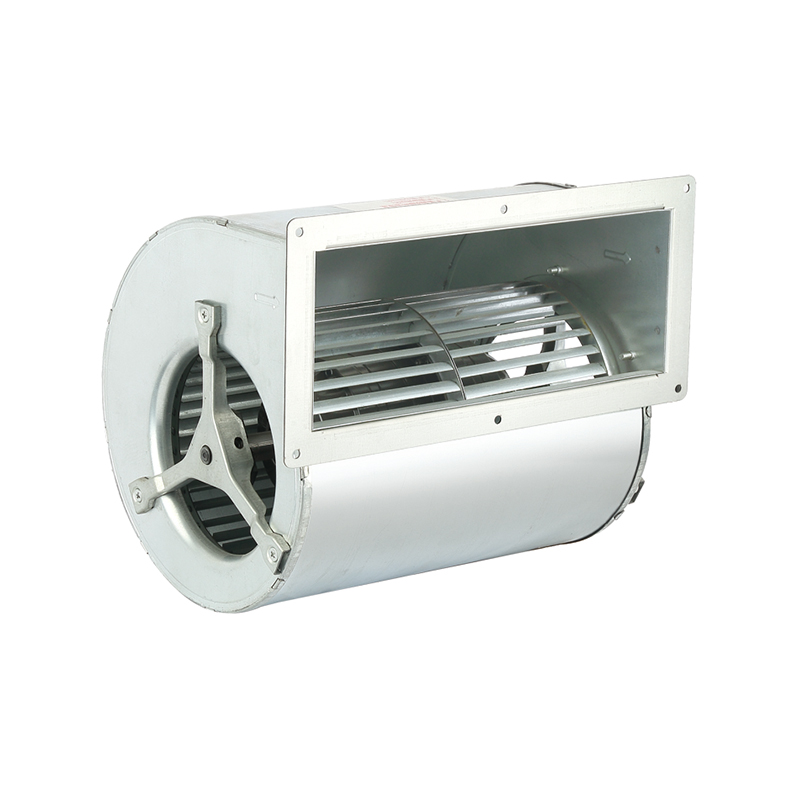
The DKT-133 Cooling Ventilation Double Inlet Air Conditioning Fan is d...
See Details
The DKT-146 Multi-Function Variable Frequency Double Inlet Air Conditi...
See Details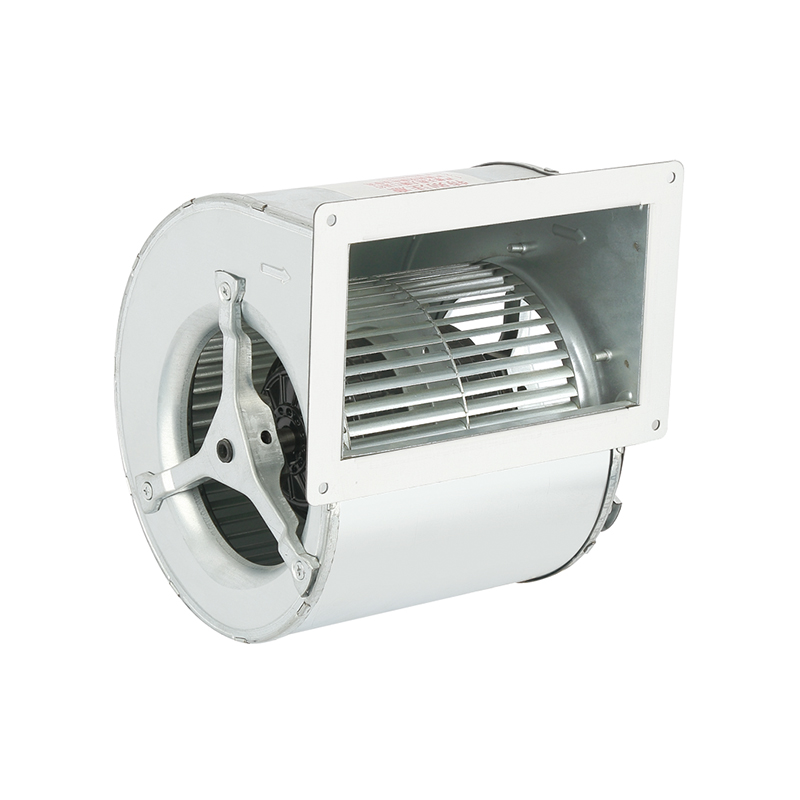
The DKT-160 Heat Dissipation Exhaust Double Inlet Air Conditioning Fan...
See Details
The DKT-180 Tilt Back Cool Down Double Inlet Air Conditioning Fan, a s...
See Details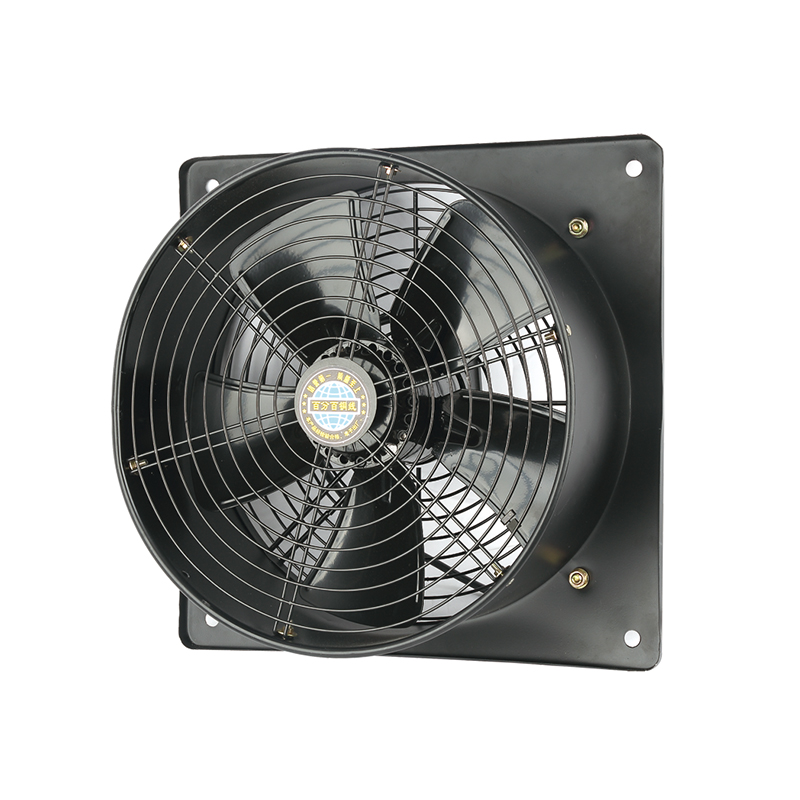
The YWF-400-2D2E Efficient Square form Axial fan is designed with a fo...
See Details
The YWF-350-2D2E Low noise Square form Axial Fan is designed with a co...
See Details
The YWF-350-4D4E Low vibration Square form Axial Fan is a outstanding ...
See Details
The YWF-400-4D4E Durable Square form Axial Fan is designed with advanc...
See Details
Qinlang focuses on providing high-quality products and considerate services, and is committed to meeting every expectation of our customers.
© Zhejiang Qinlang Electromechanical Co., Ltd.
Fans And Air-Cooling Equipment Factory
