 English
 русский
 عربى
عربى Español
Qinlang focuses on providing high-quality products and considerate services, and is committed to meeting every expectation of our customers.
The DKT-133 Cooling Ventilation Double Inlet Air Conditioning Fan is d...
See Details
Duct fans are total unsung heroes in modern industrial spots and buildings—they're the backbone of moving air around, quietly keeping everything running nice and smooth without anyone really noticing. Their job isn't just to push air around; they need to maintain steady, uninterrupted airflow that makes proper ventilation, exhaust, and even air distribution through tangled duct networks possible. These days, everyone's way more focused on saving energy and running things efficiently—so the way we judge duct fan systems has really shifted. It's no longer just about how much air they can move—long-term energy use, how reliably they run, and how well they fit with other systems matter just as much when choosing or designing them.
For most industries, improving energy efficiency isn't just about following rules—it's a practical way to cut down on operational costs and keep critical systems working dependably.
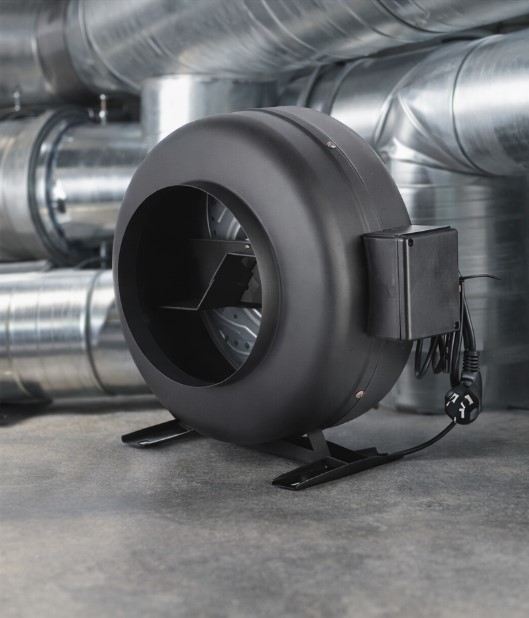
The main part of this process is the impeller—when it spins, it converts electricity into kinetic energy, pushing air through the ductwork and overcoming all the things that slow air down. How airflow, pressure, and resistance interact is what determines how efficient the fan is in the system—it's a delicate balance that needs careful management to get the best performance.
Airflow is the amount of air moving through the ducts over time, and it's directly tied to how well ventilation works. You need enough airflow to keep air fresh, maintain a consistent temperature, and get rid of contaminants, odors, and extra moisture. But just having enough airflow doesn't cut it for efficiency. If you've got way more air than you actually need, or if the airflow just doesn't sync up with the system's resistance, you'll burn through energy, heap extra stress on parts, and watch overall performance nosedive. The key is finding that sweet spot between how much air you're pushing and what the system really requires—making sure air moves effectively without any unnecessary waste.
Static pressure is the force that pushes air through the duct system. It covers resistance from duct length, the roughness of inner surfaces, transitional sections, and all the various fittings. Getting pressure requirements right is make-or-break for fan performance: underestimate it, and airflow will be all over the place, ventilation won't be up to par, and the system will act erratically. Overestimate it, and you're just wasting energy and putting unneeded strain on the fan. Picking the right fan and designing a solid system means understanding both airflow needs and pressure characteristics—taking a whole-system approach instead of looking at parts in isolation.
System resistance has a massive impact on overall efficiency because it directly affects how much energy is needed to keep air moving. High-performance fan solutions don't just zero in on the fan itself—they take the entire duct environment into account. Designing airflow paths with smooth transitions, minimizing sudden turns, and making sure all components are properly aligned all help reduce turbulence and pressure loss.
Variable air volume (VAV) control takes this a step further by letting airflow be adjusted based on the specific needs of individual zones in a building or facility. This approach supports both comfort and efficiency by delivering exactly the amount of air each area needs, instead of forcing the whole system to run at the same level. Coordinating control between fans and other system components—like dampers, heating and cooling coils, and air handlers—improves overall system responsiveness and stability, making sure all parts work together to achieve the best performance.
Advanced monitoring capabilities also help keep system performance optimized over time. Maintenance also gives you a chance to spot early signs of performance decline—unusual vibration, increased noise, rising power use—so you can make timely repairs and head off further damage.
Long-term efficiency hinges on having a structured maintenance plan—not just fixing things after they break down. A systematic approach includes scheduled inspections, preventive maintenance tasks, and regular performance testing to keep fans running as they should, cut down on unexpected downtime, and hold onto that energy efficiency. By keeping records of maintenance work and tracking performance metrics over time, organizations can spot trends and tweak their maintenance schedules to get the most efficiency while keeping costs in check.
High-efficiency duct fan systems offer more than just lower energy use. Stable, consistent airflow boosts indoor environmental quality by ensuring proper ventilation, cutting down on pollutants, and keeping temperatures and humidity comfortable. That in turn supports the health and productivity of everyone in the building, plus the reliable operation of sensitive equipment in industrial settings. Reduced mechanical stress on parts—thanks to balanced airflow, smart design, and proper maintenance—extends the life of the fan and related equipment. That means fewer replacements and less resources used in manufacturing and disposal.
From an environmental angle, improved energy efficiency plays a key role in hitting broader sustainability goals. Using less energy eases demand for fossil fuels and other energy sources, helping to reduce greenhouse gas emissions and other environmental impacts. Aligning with responsible resource management doesn't just benefit the planet—it also boosts the organization's reputation as a sustainable operator. What's more, longer equipment lifespans and fewer replacements mean less resource consumption, further shrinking the duct fan system's environmental footprint.
These operational and environmental perks work hand in hand to boost the long-term value of efficient fan system design and operation. By investing in high-efficiency duct fans and putting effective maintenance and control strategies in place, organizations can balance operational performance, cost savings, and environmental responsibility—creating a win-win for both the business and the planet.
The future of duct fan efficiency will keep being shaped by a whole-system mindset, as manufacturers and engineers realize true efficiency comes from seamless integration of components, controls, and operating strategies. Advances in materials science will play a big part—new materials that are lighter, stronger, and more aerodynamic will cut down on weight, minimize resistance, and boost durability. These materials will let designers create more efficient impellers and housings, further optimizing airflow and slashing energy use.
Monitoring technologies are also poised to advance dramatically, with more sophisticated sensors and data analytics built right into fan systems. These tools let you monitor a wider range of performance indicators in real time, delivering deeper insights into how the system operates and enabling more precise control. Predictive maintenance algorithms—powered by machine learning—will help spot potential issues before they impact performance, cutting down on downtime and extending equipment life.
Integrated control systems will get smarter too, with fans communicating seamlessly with other building systems like HVAC, lighting, and security to optimize overall energy use. This level of integration unlocks more holistic energy management, as systems work together to adapt to changing conditions and prioritize efficiency without sacrificing comfort or functionality. Smarter control algorithms will also let fans adjust more precisely to shifting demand, slashing energy waste even further and boosting performance.
Organizations that prioritize efficiency, adaptability, and long-term performance will be best positioned to reap the benefits of these future developments. By investing in well-designed fan systems, putting effective control and maintenance strategies into action, and embracing emerging technologies, they can achieve sustained energy efficiency and reliable airflow performance for years to come. The ongoing evolution of duct fan technology promises even bigger efficiency gains, supporting a more sustainable and resilient built environment.
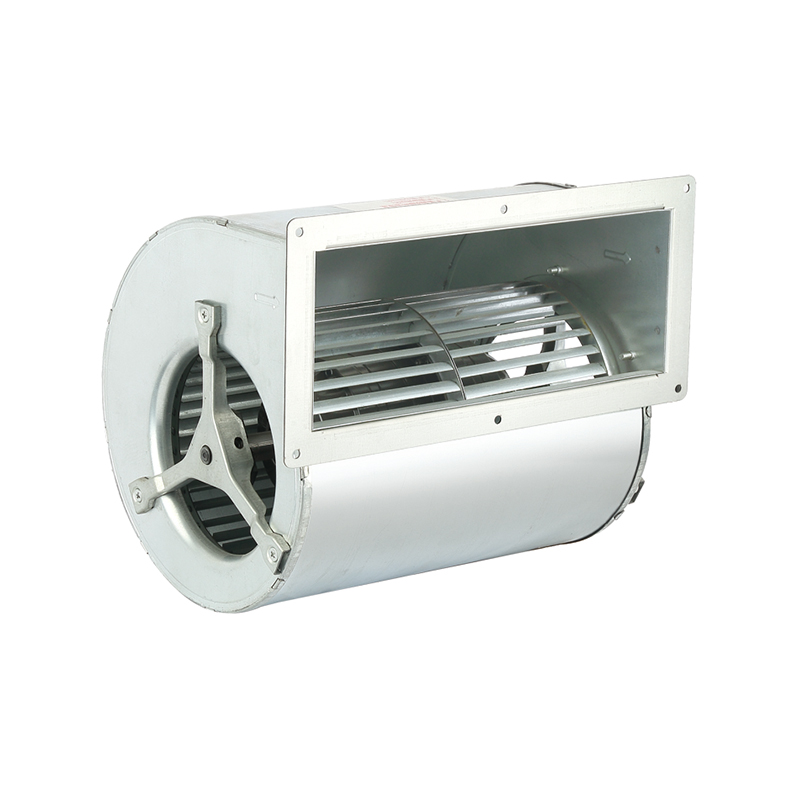
The DKT-133 Cooling Ventilation Double Inlet Air Conditioning Fan is d...
See Details
The DKT-146 Multi-Function Variable Frequency Double Inlet Air Conditi...
See Details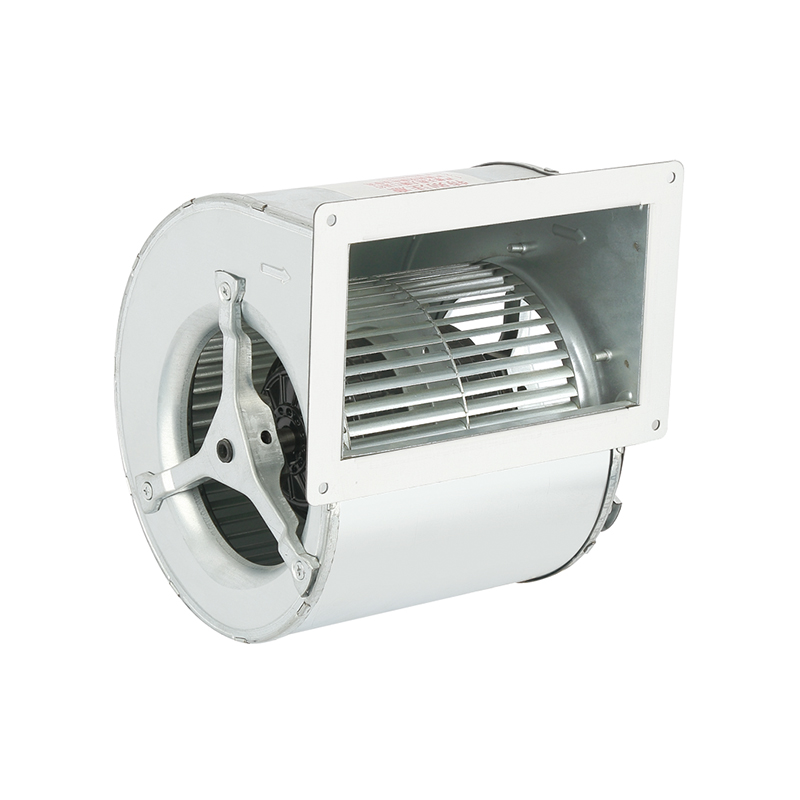
The DKT-160 Heat Dissipation Exhaust Double Inlet Air Conditioning Fan...
See Details
The DKT-180 Tilt Back Cool Down Double Inlet Air Conditioning Fan, a s...
See Details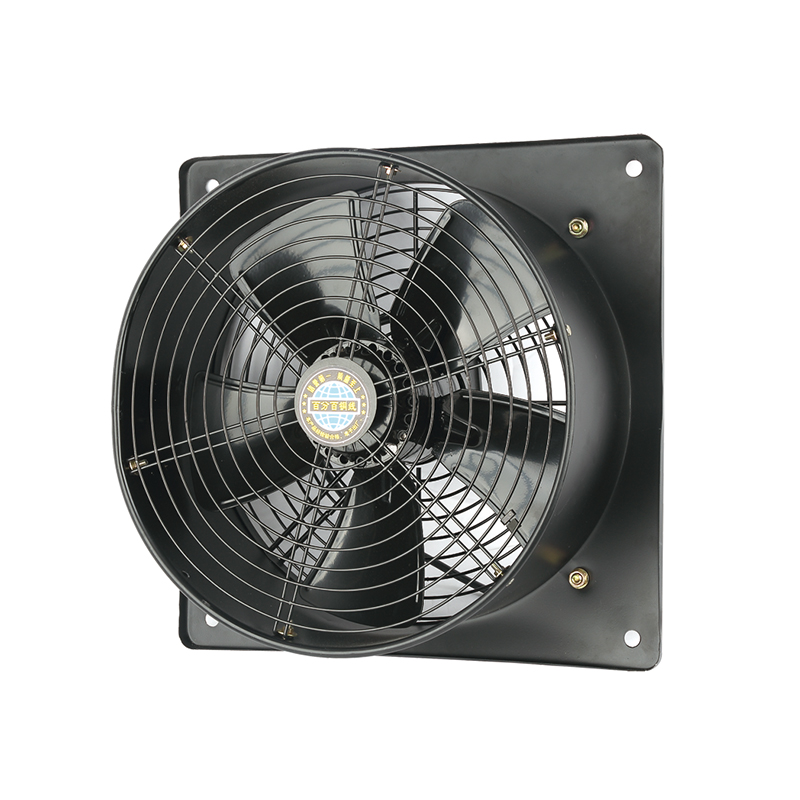
The YWF-400-2D2E Efficient Square form Axial fan is designed with a fo...
See Details
The YWF-350-2D2E Low noise Square form Axial Fan is designed with a co...
See Details
The YWF-350-4D4E Low vibration Square form Axial Fan is a outstanding ...
See Details
The YWF-400-4D4E Durable Square form Axial Fan is designed with advanc...
See Details
Qinlang focuses on providing high-quality products and considerate services, and is committed to meeting every expectation of our customers.
© Zhejiang Qinlang Electromechanical Co., Ltd.
Fans And Air-Cooling Equipment Factory
