 English
 русский
 عربى
عربى Español
Qinlang focuses on providing high-quality products and considerate services, and is committed to meeting every expectation of our customers.
The DKT-133 Cooling Ventilation Double Inlet Air Conditioning Fan is d...
See Details
Ventilation systems use ducts to move air through buildings. A variable speed duct fan mounts inside the duct and can change how fast it spins. This lets the fan deliver different amounts of airflow instead of staying at one fixed speed all the time.
The fan supports basic ventilation tasks such as bringing in fresh air and removing indoor air. It works together with heating and cooling equipment to help keep indoor spaces functional. Because the speed can vary, the fan fits situations where air needs shift during the day or across different parts of a building.
Why Variable Speed Duct Fan Matter in Ventilation Systems
Ventilation systems exchange air to maintain acceptable indoor conditions. Fixed-speed fans run at one speed when they are on. They move the same volume of air whether the building needs a lot of movement or only a small amount.
A variable speed duct fan works differently. It can lower its speed when demand is light, for example at night in a home or after hours in an office. When more airflow is required, it can increase speed. The change takes place gradually rather than in sudden jumps.
This helps the system provide steadier air circulation. It supports more even temperatures from room to room and helps manage moisture levels. In many installations, the fan connects to sensors for temperature, pressure, or air quality. The fan then adjusts its speed based on what the sensors detect.
The overall effect is that the fan runs closer to actual needs instead of staying at maximum output continuously. This approach matches ventilation delivery to how the space is used at different times.
Core Features and Benefits
2.1 Energy Efficiency
Variable speed duct fans change motor speed to match the airflow volume required at any moment. When less air is needed, the fan slows down and draws less power. The relationship between fan speed and power follows well-known fan laws, where power drops sharply as speed decreases.
Fixed-speed fans deliver their full rated airflow whenever they operate. During periods when full output is not necessary, they still use the power required for that full rate. A variable speed duct fan spends more time at lower speeds, which reduces total energy consumption over time.
This pattern shows up clearly in buildings where fans run for many hours each day. Instead of cycling on and off repeatedly, the fan can stay running at a reduced speed during lighter loads. The result is lower electricity use for the ventilation system across days, weeks, and months.
2.2 Quiet Operation
Much of the noise from duct fans comes from high-speed air movement and motor operation. Variable speed duct fans often operate at lower speeds for extended periods, which tends to keep noise levels down.
The fan increases speed gradually, so there are no sudden loud surges that happen with frequent starting and stopping of fixed-speed fans. The mounting inside the duct and balanced design help limit how much sound travels into occupied spaces.
In homes this means quieter air movement in living areas and bedrooms. In offices it creates a calmer background for work and meetings. The sound stays more constant and less noticeable during ordinary daily activities.
2.3 Precise Airflow Control
Variable speed duct fans let the airflow volume and duct pressure be adjusted by changing the fan speed. This can be done manually through a controller or automatically through a building management system.
Buildings often have zones with different airflow needs because of occupancy, equipment, or room layout. The fan can raise or lower its speed to help balance air delivery across those zones. This reduces spots where air feels still or where drafts are strong.
The result is more consistent air distribution. Conditioned air reaches rooms evenly. In systems with filters, steady airflow helps the filters perform without large swings in performance.
The fan can also make small speed increases to offset rising resistance from loaded filters, helping keep the intended airflow rate more stable over time.
2.4 Longer Equipment Life
Fan motors, bearings, and other parts experience wear from continuous high-speed running and from repeated on-off cycles. Variable speed duct fans typically start at low speed and ramp up slowly. They also spend more time at reduced speeds when full output is not required.
Lower average loads and fewer hard starts can reduce stress on components. This often allows longer periods between scheduled maintenance tasks such as lubrication or inspection.
The fan continues to move air with fewer interruptions for service, supporting steady ventilation performance.
| Aspect | Fixed-Speed Duct Fan | Variable Speed Duct Fan |
|---|---|---|
| Speed Operation | One fixed speed when on | Changes to match demand |
| Power Use | Full power during runtime | Lower power at reduced speeds |
| Noise Level | Higher at full speed and during cycling | Lower at common operating speeds |
| Airflow Adjustment | Limited to on or off | Gradual and continuous adjustment |
| Component Stress | Steady high load or frequent starts | Lower average load with smooth changes |
Practical Implications
Common situations include:
When selecting and installing the fan:
Variable speed duct fans bring adjustable speed control to ducted ventilation systems. This allows the fan to respond to changing airflow needs while addressing energy use, operating sound, airflow precision, and component wear in a practical way.
The fan supports ventilation in homes, offices, commercial spaces, and other building types by matching air movement more closely to actual conditions. It contributes to indoor air circulation that operates according to the demands of the space rather than a single fixed setting.
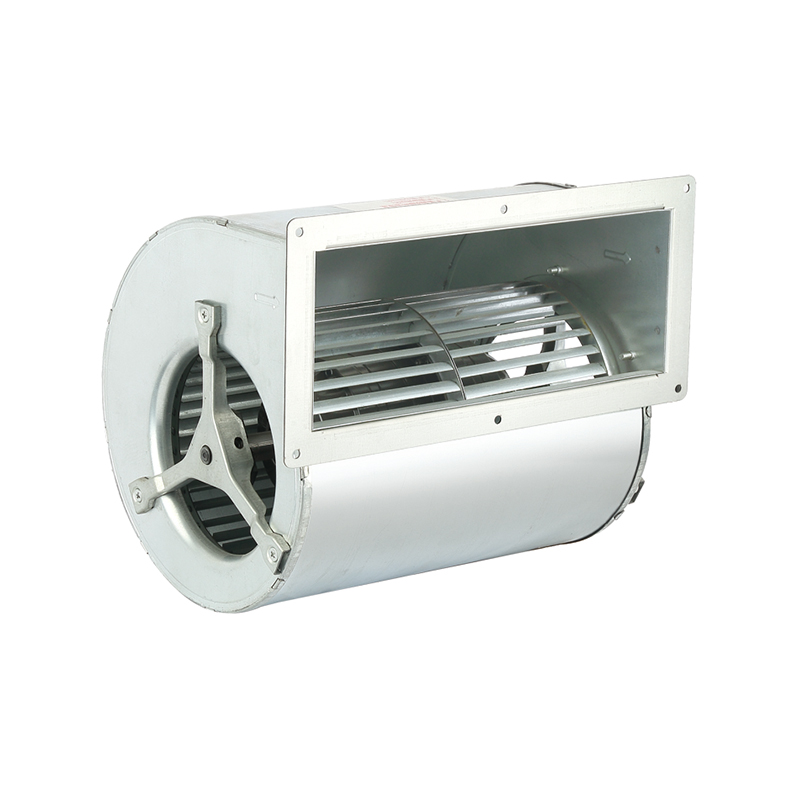
The DKT-133 Cooling Ventilation Double Inlet Air Conditioning Fan is d...
See Details
The DKT-146 Multi-Function Variable Frequency Double Inlet Air Conditi...
See Details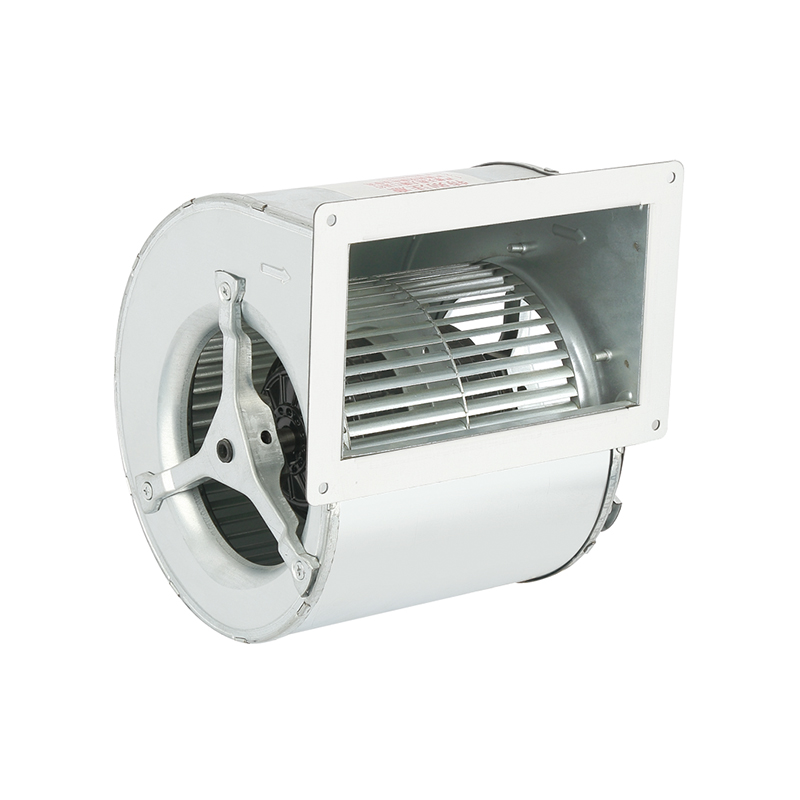
The DKT-160 Heat Dissipation Exhaust Double Inlet Air Conditioning Fan...
See Details
The DKT-180 Tilt Back Cool Down Double Inlet Air Conditioning Fan, a s...
See Details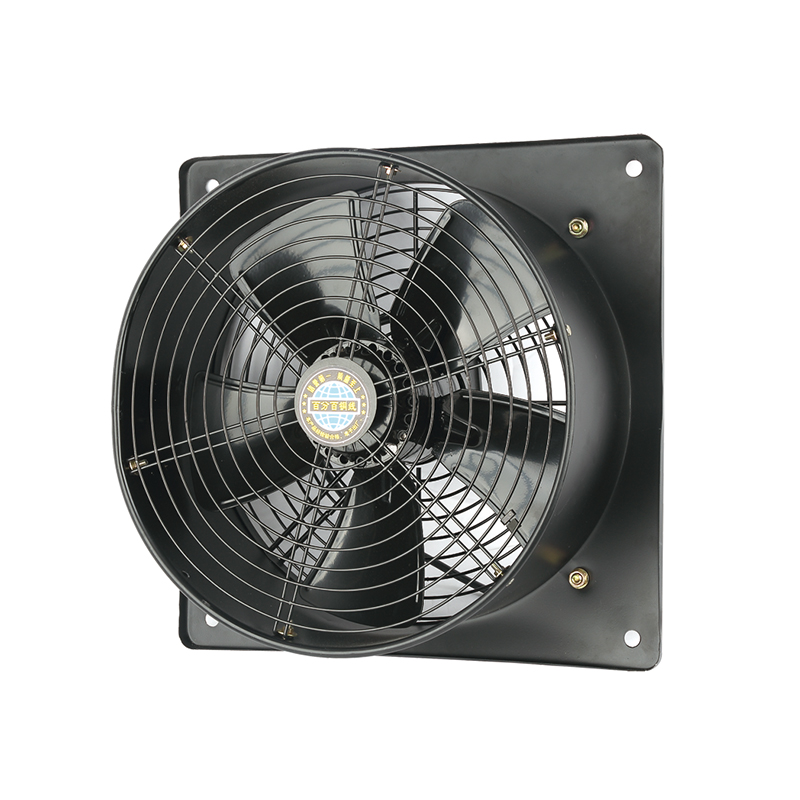
The YWF-400-2D2E Efficient Square form Axial fan is designed with a fo...
See Details
The YWF-350-2D2E Low noise Square form Axial Fan is designed with a co...
See Details
The YWF-350-4D4E Low vibration Square form Axial Fan is a outstanding ...
See Details
The YWF-400-4D4E Durable Square form Axial Fan is designed with advanc...
See Details
Qinlang focuses on providing high-quality products and considerate services, and is committed to meeting every expectation of our customers.
© Zhejiang Qinlang Electromechanical Co., Ltd.
Fans And Air-Cooling Equipment Factory
