 English
 русский
 عربى
عربى Español
Qinlang focuses on providing high-quality products and considerate services, and is committed to meeting every expectation of our customers.
The DKT-133 Cooling Ventilation Double Inlet Air Conditioning Fan is d...
See Details
Any building environment that relies on mechanical ventilation needs to be designed in such a way that it is responsive to demand, in accordance with system goals, and in accordance with comfort expectations. Whether it's a workplace, a healthcare facility, a residential building, or an industrial building, the airflow is a critical factor in passenger comfort, temperature distribution, and overall environmental performance. Among the various components used in ventilation systems, the Variable Speed Duct Fan stands out for its capacity to adjust airflow in response to changing conditions.
Compared to the older ones, which run at a single fixed rate, the variable speed fan provides flexibility when the air flow needs change. The demand-responsive system not only promotes quieter traffic and energy awareness, but also contributes to a more balanced indoor climate. Understanding the nature of the technology, the factors that distinguish it from conventional equipment, and how it works can help operators, designers, and technical decision-makers to make informed decisions when they are considering upgrading or building a new facility.
A Variable Speed Duct Fan is a device installed within a ducted ventilation pathway that moves air through a building's ventilation system. The defining feature isn't the fan's physical shell or blade, but the way it is controlled: instead of running at a constant speed, the fan's rotational speed can be adjusted to meet demand.
The adjustable speed capability enables the fan to operate at a higher rotational speed when the air flow is high, and at a lower speed when the demand is low. This modulation avoids unnecessary airflow, avoids excessive wear and tear caused by constant high-speed operation, and creates a more adaptable ventilation environment.
Product Definition
At its core, a variable speed duct fan includes the following main components:
This combination of mechanical and electrical systems makes a variable speed duct fan fundamentally different from a conventional fan that spins at one fixed rate.
Comparison With Fixed‑Speed Fans
To understand why variable speed fans are chosen in some applications, it helps to compare them directly with fixed‑speed fans, which are still common in many buildings.
1. Airflow Control
2. Impact on Environment
3. System Response
4. Mechanical Wear Patterns
A Comparison Between Fixed‑Speed and Variable Speed Fans
| Characteristic | Fixed‑Speed Fan | Variable Speed Duct Fan |
|---|---|---|
| Airflow Modulation | Single, unchanging rate | Continuously adjustable |
| Response to Demand | Reactive and limited | Adaptive, linked to sensor feedback |
| Noise Behavior | Constant level during operation | Can be quieter at lower speeds |
| Overall Wear | Often higher due to cycle stress | Potentially reduced through modulation |
| Energy Usage | May be inefficient in low demand | Can align use with actual needs |
Core Advantages of Variable Control
The key advantages of CVT over more rigid approaches can be grouped into several practical categories. Each of these supports different aspects of system performance, environment quality, and user comfort.
1. Alignment With Demand
A system that adjusts its airflow in response to current conditions is better suited to handling fluctuations. In buildings with daily occupancy or internal load changes, the variable system can provide more air when needed and save resources when demand is low.
2. Reduction in Noise During Low‑Demand Periods
Although all mechanical systems generate a certain amount of noise, low-speed operation generally reduces the overall noise footprint of ventilation. This is particularly noticeable in environments where quiet work is valued, such as in an office or educational environment.
3. Balanced Environmental Conditions
The variable speed fan helps to keep the air flow more evenly by adjusting the speed of the fan in accordance with real time data or preset control logic. This can reduce drafts, hot or cold pockets, and variations that can occur if circulation is applied at a fixed rate regardless of conditions.
4. Wear and Operation Patterns
Modulation helps to reduce mechanical stress due to frequent startup, shutdown and full speed operation. Running a fan at a moderate level rather than running at its top speed will lead to fewer maintenance events and smoother mechanical behavior over time.
5. Integration Flexibility
The variable speed fan can be linked to a sensor network or an automated system in a building to monitor indoor air quality, temperature changes, or occupancy signals. Through this integration, ventilation can be coordinated with other systems, such as heating and cooling, thus creating a coherent environmental management strategy.
The ability of a variable speed duct fan to control airflow efficiently depends on both the hardware involved and the method by which it is commanded to adjust its operation. The core of this functionality is the motor type and control systems.
Motor and Drive Types (VFD / EC / PWM)
A central consideration in the variable speed fan is the way the motor speed is regulated. There are several approaches commonly used:
Each of these control techniques supports variable speed behavior, but they differ in complexity, cost, and the type of motor they are best suited to. A system designer must balance these considerations against the requirements of the installation environment and expected performance patterns.
Air movement in a duct system is influenced by both airflow volume and static pressure. Static pressure refers to the resistance encountered as air moves through ductwork and around bends, filters, or other obstacles. Variable speed fans adjust their output not only to deliver appropriate airflow volume but also to maintain consistent static pressure levels.
Sensors embedded in the duct network can monitor airflow rates and pressure levels. The control system reads these values, compares them to target thresholds, and then signals the fan drive to make gradual adjustments. This feedback loop enables the fan to react to real time conditions instead of blindly operating at a preset rate.
For example, if pressure drops due to a door opening or a change in internal resistance, the system can detect the variation and adjust fan speed upward to compensate. Conversely, if airflow exceeds what is needed, the system can slow the fan to match the new requirement, reducing unnecessary energy use and mechanical stress.
Efficiency and Comfort Relationship
The ability of a fan to change its speed reflects its influence on two relevant aspects: energy awareness and passenger comfort.
When a fan simply runs at full speed regardless of need, energy use is constant and may be higher than necessary during periods of low demand. Variable speed systems, in contrast, reduce energy input at lower airflow needs. Although energy patterns depend on the broader system (such as heating or cooling interactions), reducing unnecessary fan power contributes to a more measured overall energy profile.
Comfort benefits when airflow is distributed evenly and flexibly. In spaces with multiple zones or variable heat loads from sunlight or equipment, matching airflow to demand can help avoid hot or cold pockets. A branch of ductwork serving a lightly occupied area may benefit from reduced airflow, while a space with more occupants or greater heat gain might receive stronger movement.
By modulating the fan according to the conditions, instead of operating it at a constant output, both the behavior of the system and the perception of the indoor environment are more responsive and supportive of human comfort.
After all, the Variable Speed Duct Fan is not just another part of the ventilation system — it is a means of making the air in the room more responsive and balanced. By adjusting the air flow to match real time conditions, it helps to keep the space comfortable, quiet, and energy-conscious. This technique combines mechanical accuracy with intelligent control to create a natural ventilation environment that is adaptable to changes in occupancy, temperature, or equipment load. For designers, operators, and building occupants, it means air flow that interacts with the space, not against it — providing a smoother, more sophisticated way of making the interior comfortable and efficient.
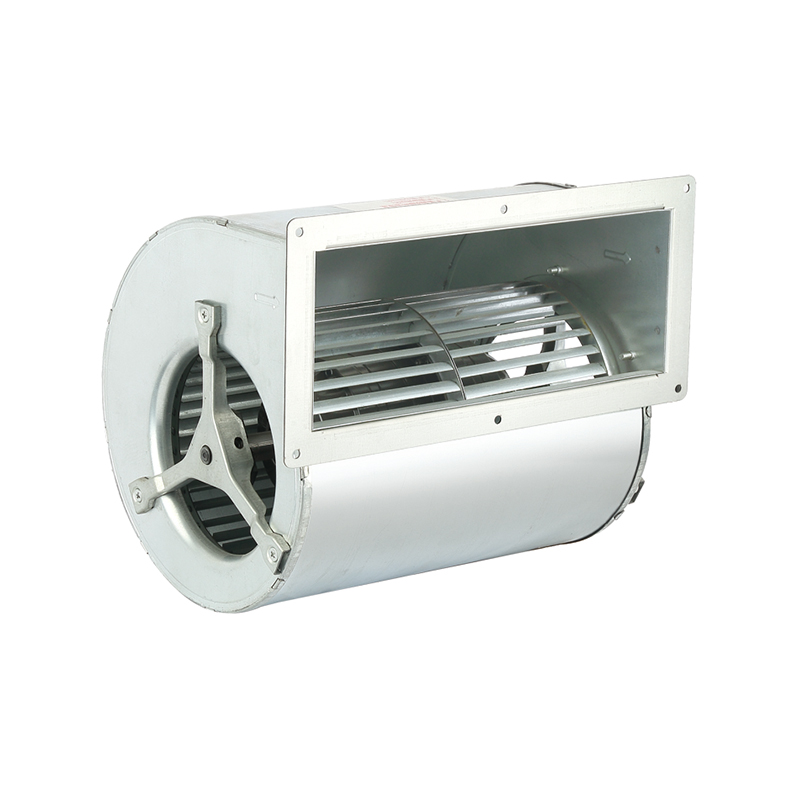
The DKT-133 Cooling Ventilation Double Inlet Air Conditioning Fan is d...
See Details
The DKT-146 Multi-Function Variable Frequency Double Inlet Air Conditi...
See Details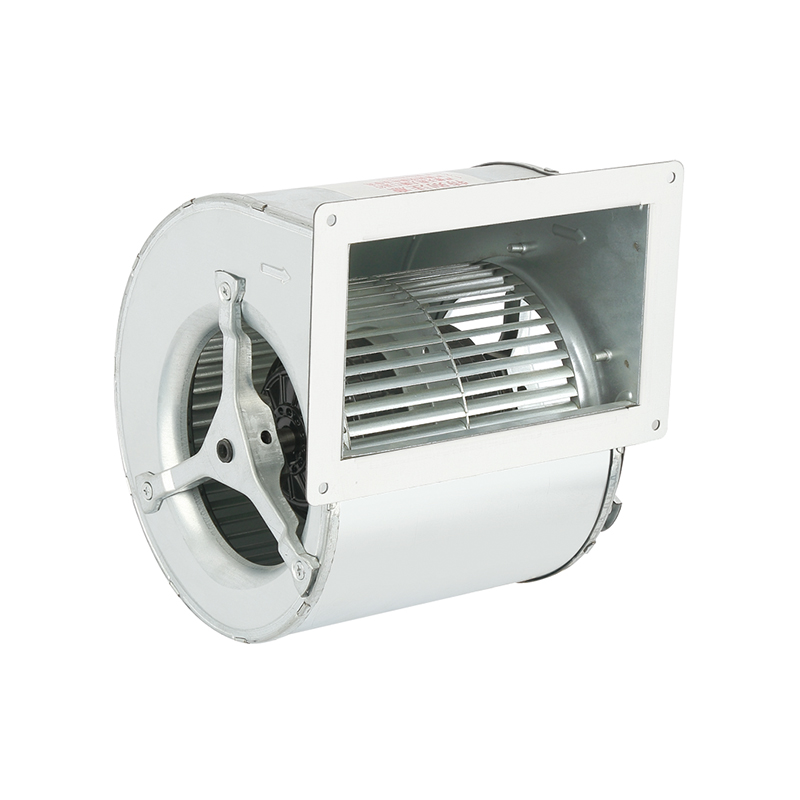
The DKT-160 Heat Dissipation Exhaust Double Inlet Air Conditioning Fan...
See Details
The DKT-180 Tilt Back Cool Down Double Inlet Air Conditioning Fan, a s...
See Details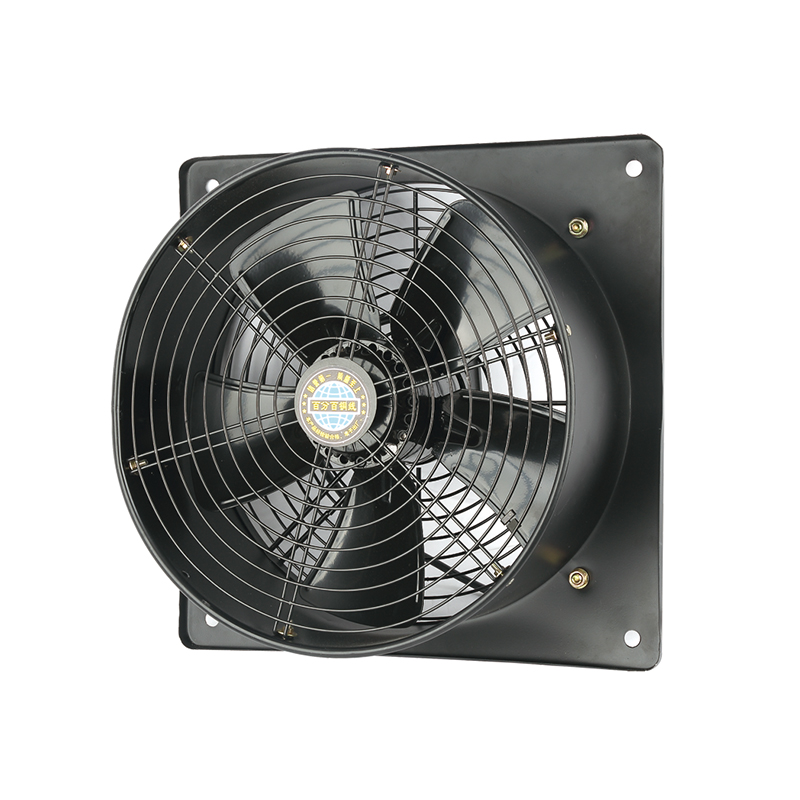
The YWF-400-2D2E Efficient Square form Axial fan is designed with a fo...
See Details
The YWF-350-2D2E Low noise Square form Axial Fan is designed with a co...
See Details
The YWF-350-4D4E Low vibration Square form Axial Fan is a outstanding ...
See Details
The YWF-400-4D4E Durable Square form Axial Fan is designed with advanc...
See Details
Qinlang focuses on providing high-quality products and considerate services, and is committed to meeting every expectation of our customers.
© Zhejiang Qinlang Electromechanical Co., Ltd.
Fans And Air-Cooling Equipment Factory
