 English
 русский
 عربى
عربى Español
Qinlang focuses on providing high-quality products and considerate services, and is committed to meeting every expectation of our customers.
The DKT-133 Cooling Ventilation Double Inlet Air Conditioning Fan is d...
See Details
Understanding Duct Silent Fan
A duct silent fan is a device that moves air through ventilation systems while keeping noise levels low. These fans are used in homes, offices, and workplaces where quiet operation is important. They help keep air circulating efficiently, providing better comfort without creating extra sound.
What Makes Duct Silent Fans Useful
Advantages for Daily Use
Daily Operation Tips for Duct Silent Fan
A duct silent fan is one of those devices that quietly does its job, often without being noticed—until something goes wrong. Keeping it running smoothly is less about complicated procedures and more about simple daily habits and a bit of attention.
Placement Matters
Even within existing ductwork, where the fan sits can affect how it performs. Dust, moisture, or nearby obstructions can cause vibrations or reduce airflow over time. A small adjustment in position or securing ducts properly can make a noticeable difference.
Quick Placement Tips:
Running the Fan
You don't always need to run a duct silent fan at full power. Adjusting speed according to the room's needs is often enough. A gentle setting can maintain comfort during quiet times, while higher settings may be needed for busy areas.
Some Practical Habits:
Managing Noise Problem
Even silent fans make some noise. Small rattles or humming sounds can occur over time, usually caused by loose connections or accumulation of dust. The proper installation of the fan, the occasional cleaning, and the slight adjustment can greatly reduce the noise.
Noise Reduction Tips:
Observation and Energy Awareness
A short daily glance can prevent small issues from becoming larger problems. Listen for unusual sounds and feel for changes in airflow. Matching fan operation to actual need also helps save energy.
| Aspect | Suggested Action | Benefit |
|---|---|---|
| Placement | Clear ducts, secure connections | Smooth airflow, less vibration |
| Speed | Adjust to room use | Comfort and energy efficiency |
| Noise | Tighten parts, clean blades | Quieter operation |
| Observation | Listen and feel for airflow changes | Early detection of issues |
| Energy Use | Run only when needed | Lower electricity use, less strain |
Some Seasonal Considerations
Airflow needs can change with the seasons. In winter, it may be sufficient to operate at a lower speed, whereas warmer months or crowded rooms may require longer operation. Observing seasonal shifts ensures comfort without overloading the fan.
Small Daily Habits
Consistency is better than strength. Every day, a couple of minutes checking the pipes, removing dust, or adjusting the settings keeps the fan quiet and efficient. Over time, these little steps will help prevent unexpected problems and extend the service life of the fan.
Routine Example:
By observing air flow, thinking about speed, and keeping the fan clean, you can keep comfortable and efficient without any complicated procedures. As time goes by, this method transforms the operation into a simple routine, which allows the fan to work quietly for many years.
There's no need for you to be complex about a quiet duct fan. Most of the time, the fan is quiet, but little habits and attention can keep small problems from getting worse. Think of it as a bike repair – check it out, clean it up a bit, and keep it running.
Cleaning and Dust Management
Dust is the most common cause of poor performance. Even in relatively clean rooms, small particles settle on fan blades and inside pipes.Over time, this can make the fan hum differently or create subtle vibrations.
A little cleaning goes a long way. Even a thin layer of dust can reduce airflow. Regular attention prevents airflow loss and keeps noise low.
Checking Components and Connections
Loose screws, pipe connectors, and mounting brackets are easily overlooked. Over time, changes in temperature or vibration can cause these components to become loose, resulting in a small rattle or irregular operation.
Simple checks include:
Catching these small issues early keeps the fan quiet and reliable.
Lubrication of Moving Parts
Some duct fans have moving parts that benefit from occasional lubrication. Don't overdo it — too much lubricant will attract dirt and make a mess. A small amount on the recommended spots can reduce friction and noise.
Lubrication Tips:
Seasonal and Environmental Considerations
The environment affects how often maintenance is needed. Kitchens, workshops, or rooms with open windows may accumulate dust faster. Humid or hot conditions can influence connections or minor condensation inside ducts.
| Season/Condition | Suggested Care | Purpose |
|---|---|---|
| Dry winter air | Inspect dust buildup regularly | Keep airflow smooth |
| Humid summer months | Check ducts for moisture or condensation | Prevent corrosion or vibration |
| Dusty or high-traffic areas | Clean blades and vents more frequently | Maintain efficiency |
| Temperature shifts | Tighten screws and brackets as needed | Avoid loose components |
Adjusting maintenance based on the environment ensures that the fan continues to operate quietly and efficiently throughout the year.
Small Daily Habits
Routine observation is surprisingly effective. Spending just a few minutes each day noticing airflow, listening for unusual sounds, or glancing at the ducts can prevent small problems from growing.
These habits take minimal time but provide long-term benefits. The fan remains quiet, energy-efficient, and reliable.
Long-Term Care Routine
Consistency is more important than intensity. Combining cleaning, visual checks, and occasional lubrication into a simple routine keeps the fan in good condition without adding stress. Many users find it helps to align fan care with other household or office chores, so it doesn't feel like an extra task.
Example Routine:
By turning maintenance into a series of small, manageable habits, fans continue to provide quiet, steady airflow with minimal effort.
Maintenance and care for duct silent fans isn't about strict schedules or complex instructions. It's about noticing subtle changes, taking small actions, and responding appropriately. Dust, loose components, and environmental factors can all be managed with simple attention. Over time, this approach keeps the fan performing reliably, quietly, and efficiently, making the space more comfortable without disruption.
Even quiet duct fan can have small issues over time. Usually, these problems come from everyday wear, dust, or environmental conditions. Recognizing them early and taking simple steps helps prevent bigger interruptions.
1. Reduced Airflow
Sometimes you may notice that the fan isn't moving air as effectively as it used to. This is often caused by dust accumulation or small obstructions in the ducts. Other times, it could be a loose connection or a subtle shift in installation.
How to address it:
In most cases, airflow issues are resolved with a bit of cleaning and observation. It's usually not a sign of a deeper mechanical failure.
2. Unusual Noise
Even fans designed to be quiet can develop rattles, hums, or other minor sounds. Often, these noises are caused by vibrations, loose screws, or dust on moving parts.
Practical steps:
A subtle change in noise is usually a warning signal rather than a serious malfunction. Handling it early keeps the fan quiet and efficient.
3. Motor Strain
Sometimes the motor seems to run harder than usual, or the fan takes longer to reach its normal speed. This can be due to restricted airflow, dust buildup, or prolonged high-speed operation.
Solutions:
These steps help maintain smooth operation and prevent long-term wear. It's also helpful to schedule regular inspections so small issues don't accumulate.
4. Vibration or Wobbling
Occasionally, a fan may appear slightly off-balance or vibrate during operation. This usually results from loose mounts, screws, or minor alignment shifts in the ducts.
How to fix:
Even minor vibrations, if addressed promptly, rarely lead to bigger problems. Regular checks are all it takes to keep the fan stable.
5. Environmental Effects
Humidity, temperature shifts, or nearby dust sources can impact performance. For example, kitchens, bathrooms, or workshops often introduce more dust or moisture into the system, which may require more frequent cleaning.
Preventive care:
Adapting to environmental conditions keeps the fan working quietly and prevents minor issues from growing into bigger ones.
| Problem | Likely Cause | Simple Solution |
|---|---|---|
| Reduced airflow | Dust, obstructions, loose connections | Clean ducts, check connections, remove blocks |
| Noise | Vibration, loose parts, dust | Tighten screws, clean blades, stabilize housing |
| Motor strain | Restricted airflow, prolonged high speed | Reduce speed, clear airflow, inspect regularly |
| Vibration or wobbling | Loose mounts, alignment shift | Tighten brackets, check alignment, remove debris |
| Environmental impact | Dust, humidity, temperature changes | Increase inspection, clean more often, adjust speed |
Proactive Maintenance Tips
The way to avoid problems is to treat maintenance as a natural part of using the fan. Observing changes, cleaning lightly, and tightening small components can prevent most common issues. Small daily or weekly habits, like glancing at airflow or listening for unusual sounds, keep the fan running efficiently.
Over time, these simple actions create a fan that works reliably and quietly without demanding extra attention. The goal isn't perfection—it's responsiveness and consistency.
When to Seek Professional Help
While most issues are minor and manageable at home, persistent problems like repeated motor strain, irregular operation, or unusual sounds that don't resolve after cleaning may require professional inspection. Early intervention prevents costly repairs or downtime.
Consistent Cleaning
One of the most effective ways to extend a fan's life is regular cleaning. Dust, lint, and other small debris can build up inside the fan and pipe. Over time, even a light accumulation can alter air flow patterns or make the fan work harder than it needs to be.
Cleaning suggestions:
Even small, consistent cleaning keeps the fan balanced and prevents stress on moving parts.
Check and Tighten Components
A loose screw, bracket, or pipe connector is a quiet source of trouble. Vibrations over time can loosen mounts, causing small sounds or uneven movements. Dealing with them before they become more noticeable can save you trouble down the road.
Steps to check components:
A few minutes spent every few weeks on these checks reduces vibration, noise, and motor strain.
Adjusting Operation
Running the fan at high speed continuously is not necessary for most spaces. Adjusting the operation in accordance with the use of the room or the season can reduce the wear. Quiet settings, for instance, are usually sufficient for an empty room or night, whereas daytime activities may require a little bit more speed.
This simple habit keeps the motor from working harder than required and helps reduce energy use.
Monitor Environmental Factors
The surrounding environment has a subtle but significant impact on longevity. Humidity, temperature changes, dust levels, and nearby activities all affect performance.
| Factor | What to Do | Why It Helps |
|---|---|---|
| Dusty areas | Inspect and clean ducts more often | Prevents airflow reduction and vibration |
| Humid conditions | Check vents for condensation | Protects components from moisture stress |
| Temperature changes | Adjust fan operation accordingly | Reduces strain on motor and parts |
| Heavy usage periods | Rotate or adjust speed | Avoids continuous high load |
Simple attention to these factors ensures the fan doesn't wear out prematurely.
Lubrication and Moving Parts
Some duct fan include parts that benefit from occasional lubrication. Don't overdo it — too much lubricant will attract dust and cause new problems. Light application on suggested moving parts helps reduce friction and noise.
Over time, this keeps the fan moving smoothly and quietly.
Routine Observation
Once a day or a week, it's surprisingly effective. Pay attention to air flow, listen for new sounds, and watch for vibrations or shifts. Even minor changes can serve as a warning for problems that, if left unchecked, could reduce a fan's life span.
Observation checklist:
These small routines create a continuous feedback loop that keeps the fan in good shape without complicated procedures.
Integrating Maintenance into Daily Life
Making maintenance part of normal routines helps it stick. Checking the fan when cleaning the room, adjusting other appliances, or cleaning pipes to maintain the same level of focus with little effort. Some users have a simple log or reminder to keep track of when the fan has been cleaned or inspected. This helps to keep the habit in place for months or years.
Summary of Key Practices
With these steps, a duct silent fan continues to operate quietly and efficiently, reducing the risk of unexpected problems and helping the equipment last longer. Longevity isn't about major overhauls or strict schedules—it's about steady, attentive care that fits naturally into daily life.
Even though a duct silent fan looks simple, it quietly keeps air moving and the room comfortable. How long it lasts and how well it works depends a lot on how you treat it. You don't need complicated routines—just a little attention at the right times makes a big difference.
Checking the fan now and then, cleaning off dust, and making sure connections are secure can prevent most small problems before they grow. Sometimes, the fan may hum differently, or airflow may feel a bit weaker. Those are signs that a quick look or light cleaning can fix things. Adjusting the speed to match what the room actually needs, and keeping an eye on humidity or dust, helps the fan run more smoothly and quietly.
The main idea is that care doesn't have to be a chore. Little habits—wiping blades, checking ducts, listening for unusual sounds—when done regularly, keep the fan running without interruptions. Over months and years, these small steps add up. The fan continues to move air steadily, quietly, and reliably, making the room feel more comfortable without requiring constant attention.
In the end, giving a fan a bit of notice and simple care is all it takes to make it last longer. Thoughtful attention, rather than big fixes, keeps it working smoothly and quietly for years.
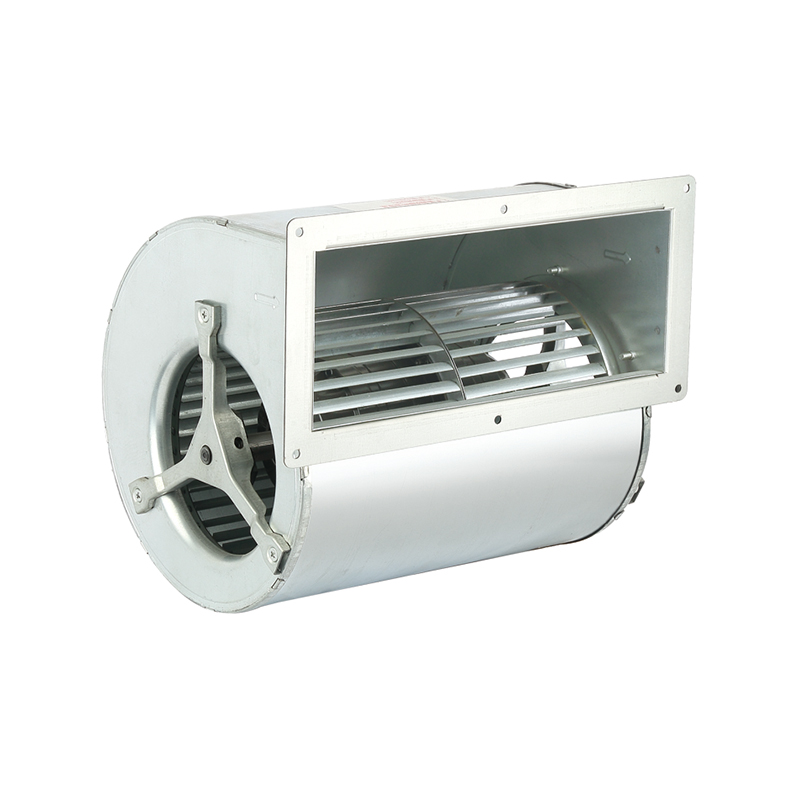
The DKT-133 Cooling Ventilation Double Inlet Air Conditioning Fan is d...
See Details
The DKT-146 Multi-Function Variable Frequency Double Inlet Air Conditi...
See Details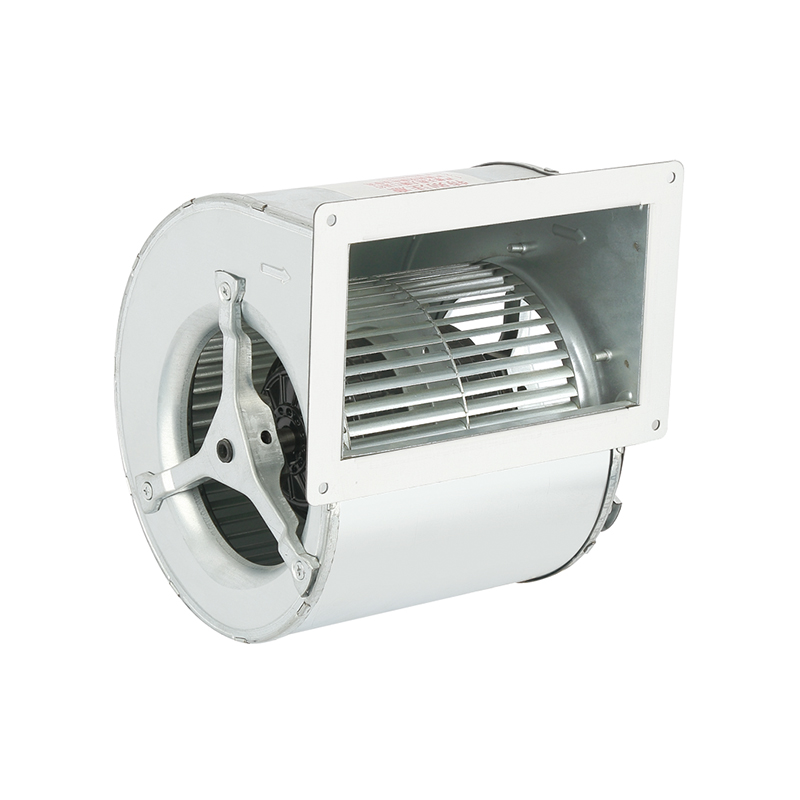
The DKT-160 Heat Dissipation Exhaust Double Inlet Air Conditioning Fan...
See Details
The DKT-180 Tilt Back Cool Down Double Inlet Air Conditioning Fan, a s...
See Details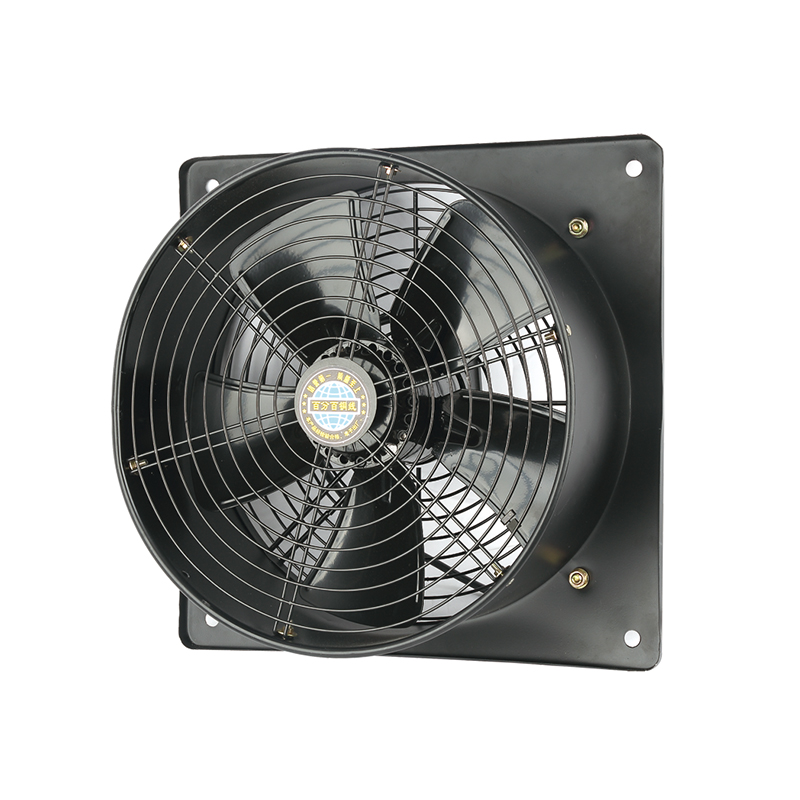
The YWF-400-2D2E Efficient Square form Axial fan is designed with a fo...
See Details
The YWF-350-2D2E Low noise Square form Axial Fan is designed with a co...
See Details
The YWF-350-4D4E Low vibration Square form Axial Fan is a outstanding ...
See Details
The YWF-400-4D4E Durable Square form Axial Fan is designed with advanc...
See Details
Qinlang focuses on providing high-quality products and considerate services, and is committed to meeting every expectation of our customers.
© Zhejiang Qinlang Electromechanical Co., Ltd.
Fans And Air-Cooling Equipment Factory
