 English
 русский
 عربى
عربى Español
Qinlang focuses on providing high-quality products and considerate services, and is committed to meeting every expectation of our customers.
The DKT-133 Cooling Ventilation Double Inlet Air Conditioning Fan is d...
See Details
Low noise duct fans have grown essential in industrial and commercial spaces where keeping noise in check is non-negotiable. Too much noise doesn't just ruin comfort—it drags down productivity, breaks concentration, and messes with overall operational conditions. Choosing and fitting a quiet duct fan means knowing your way around fan design, noise reduction tricks, system integration, and proper installation practices. For businesses sourcing the right products, a reliable Low Noise Duct Fan Supplier can provide models engineered for minimal disruption while maintaining airflow efficiency.
Duct fan noise comes from a few different places, each adding its own layer to the total sound. Aerodynamic noise happens when moving air hits the fan blades—think pressure shifts and turbulent airflow. Mechanical noise comes from the fan's inner workings: the motor, bearings, and drive system. On top of that, vibrations traveling through the fan housing or ductwork can make the noise feel even louder.
Airflow turbulence usually gets worse near duct transitions, bends, or blockages—and that cranks up high-frequency noise. The overall noise profile also depends on how the system's laid out, how fast the air's moving, and how the fan interacts with nearby structures. Once you zero in on the main noise sources, designers and users can put targeted fixes in place to keep operations quieter.
Fan blade design is make-or-break for noise control. Blade profile, count, pitch angle and curvature all shape how air moves through the fan and ductwork. A well-optimized blade setup cuts turbulent flow and aerodynamic noise, all while keeping airflow efficiency fully intact. Paying close attention to pressure gradients across the blade surface lets air move smoother and curbs the erratic vibrations that create excess noise. Blade spacing also plays a key role—blades spaced poorly cause airflow interference that ramps up noise levels. Today's advanced fan designs factor in both blade surface geometry and radial airflow distribution, delivering noticeably quieter performance as a result.
Motor performance is critical to noise control. Motors that operate with smooth rotation and balanced construction generate less mechanical noise. The type of drive system—whether direct drive, belt drive, or variable frequency drive—affects vibration and, consequently, the noise level. Vibration isolation between the motor and fan casing stops mechanical vibrations from transferring to the ductwork. Variable speed drives (VSDs) take this a step further by optimizing operating conditions—letting the fan meet airflow demands at lower noise levels when full power isn't required.
The fan casing itself can be engineered to cut noise emission. Reinforced materials, sound-absorbing liners, and aerodynamically refined shapes all work to minimize noise from airflow and vibrations. Smooth interior surfaces ensure unobstructed air movement, avoiding extra turbulence that would otherwise amplify high-frequency noise. Material choice directly impacts acoustic performance. Dense, rigid materials restrict vibration propagation, while additional sound-absorbing layers inside the casing further reduce noise leakage into surrounding areas.
Duct system design and accessory selection play a big role in overall noise levels. Smooth transitions, gradual bends, and properly sized ducts maintain laminar airflow and curb turbulence-induced noise. Components like silencers, static pressure boxes, and dampers add another layer of noise control while optimizing airflow. Proper duct support—using vibration isolators or elastic mounts—prevents structural vibration transmission from the fan to the building's framework. Keeping an eye on airflow velocity throughout the system also helps achieve quieter operation by avoiding zones of high turbulence or sudden airflow acceleration.
Fan component layout—blades, motor, casing included—directly impacts noise output. Smooth airflow paths with minimal direction changes cut turbulence and vibration. Aligning fan parts with other system components keeps noise in check without hurting overall efficiency. Thoughtful airflow path design inside ductwork also reduces sound reflections and resonance, boosting acoustic comfort in occupied areas.
Picking a low-noise duct fan means balancing airflow, pressure, environmental conditions, and installation limits. Matching the fan closely to system needs avoids underpowered or overpowered operation—both major sources of excess noise. Working with a qualified Low Noise Duct Fan Supplier can ensure the selected unit meets both performance and acoustic standards.
Size fans to meet exact airflow demands and the pressure needed to overcome duct resistance and other system parts. Getting these parameters right prevents excessive turbulence and mechanical stress, which often lead to extra noise.
Noise requirements shift drastically across different operating environments—and getting this right is non-negotiable for both functionality and comfort. Workspaces need steady, low-noise performance to keep staff focused without distractions; commercial buildings demand consistent sound levels that won't disrupt shoppers or office users. Then there are true noise-sensitive spots: conference rooms where clear communication is key, hospitals where quiet supports patient rest and care protocols, and even residential-adjacent facilities where excess fan hum can become a nuisance. That's why selecting a duct fan that reliably keeps noise within site-specific acceptable limits is critical—it not only ensures day-to-day occupant comfort but also guarantees full adherence to local acoustic compliance standards and regulatory requirements, eliminating costly retrofits or compliance issues down the line.
The type and quality of the motor are critical. Motors with balanced construction and smooth operation reduce mechanical noise. Variable speed motors allow operational flexibility, reducing noise when full airflow is not required.
Fan size, blade arrangement, and number of stages influence noise and performance. Selecting a fan that fits the space while meeting airflow requirements contributes to lower noise levels. Multi-stage fans or fans with specialized blade configurations can help achieve quiet operation while maintaining system efficiency.
Simulation and calculation tools help predict fan performance, airflow, and noise characteristics. Using these tools allows engineers to evaluate multiple configurations and optimize for both airflow and acoustic performance.
| Factor | Considerations | Effect on Noise |
|---|---|---|
| Airflow and Pressure | Match fan to system needs | Reduces turbulence and unnecessary noise |
| Motor Type | Balanced, smooth, optionally variable speed | Reduces mechanical noise |
| Blade Design | Optimized shape, number, and pitch | Minimizes aerodynamic noise |
| Casing Material | Sound-absorbing or reinforced | Limits emitted noise |
| Duct Layout | Smooth bends, silencers, vibration isolators | Reduces turbulence and structural noise |
Fan orientation affects airflow distribution and noise propagation. Vertical and horizontal installations interact differently with duct geometry and nearby structures, influencing both perceived and transmitted noise.
Vibration can travel through structural supports and amplify noise. Using suspension systems, elastic mounts, or vibration isolators absorbs energy and reduces structural noise. Placement and number of support points are important factors in maintaining a quiet installation.
The layout of ductwork—including bends, transitions, and diameter changes—affects airflow and noise generation. Smooth curves, gradual transitions, and well-placed accessories maintain laminar airflow and reduce turbulence. Using silencers and static pressure boxes further controls sound emission.
The placement of the fan relative to occupied spaces influences perceived noise. Acoustic reflection, room absorption, and vent positioning all contribute to overall acoustic comfort. Properly oriented airflow can prevent concentrated noise zones and create a more uniform sound distribution.
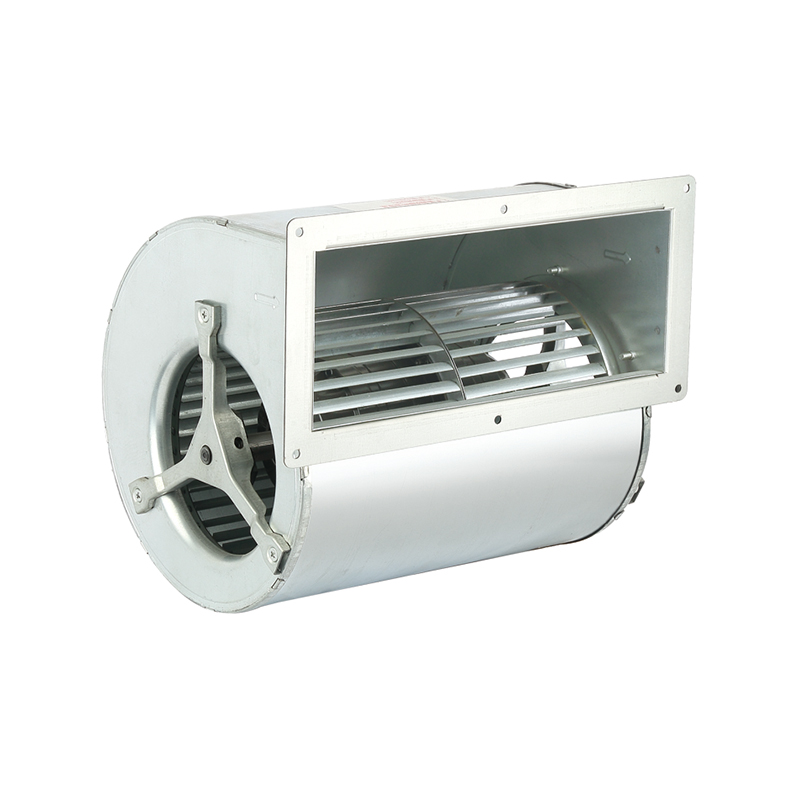
The DKT-133 Cooling Ventilation Double Inlet Air Conditioning Fan is d...
See Details
The DKT-146 Multi-Function Variable Frequency Double Inlet Air Conditi...
See Details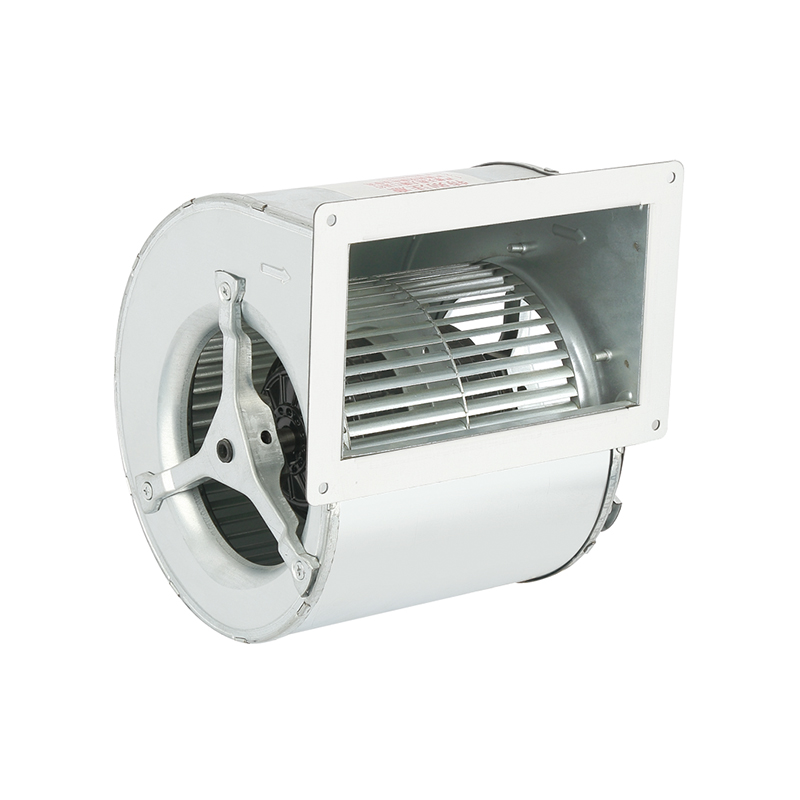
The DKT-160 Heat Dissipation Exhaust Double Inlet Air Conditioning Fan...
See Details
The DKT-180 Tilt Back Cool Down Double Inlet Air Conditioning Fan, a s...
See Details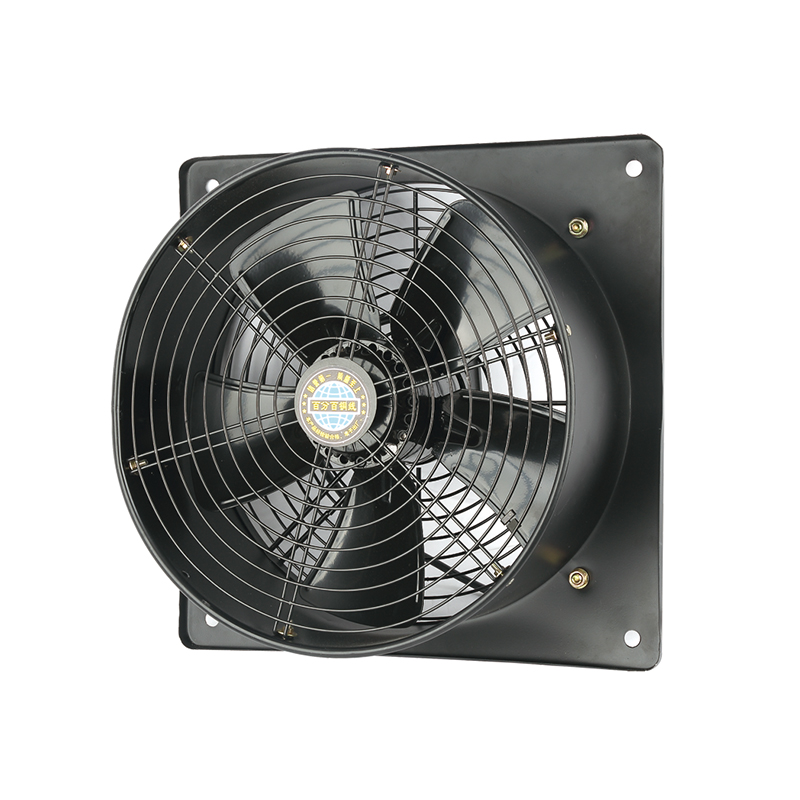
The YWF-400-2D2E Efficient Square form Axial fan is designed with a fo...
See Details
The YWF-350-2D2E Low noise Square form Axial Fan is designed with a co...
See Details
The YWF-350-4D4E Low vibration Square form Axial Fan is a outstanding ...
See Details
The YWF-400-4D4E Durable Square form Axial Fan is designed with advanc...
See Details
Qinlang focuses on providing high-quality products and considerate services, and is committed to meeting every expectation of our customers.
© Zhejiang Qinlang Electromechanical Co., Ltd.
Fans And Air-Cooling Equipment Factory
