 English
 русский
 عربى
عربى Español
Qinlang focuses on providing high-quality products and considerate services, and is committed to meeting every expectation of our customers.
The DKT-133 Cooling Ventilation Double Inlet Air Conditioning Fan is d...
See Details
Although centrifugal fans have not received widespread attention, they are in fact the core backbone of any HVAC (Heating, Ventilation, and Air Conditioning) system. These devices quietly deliver air to residences, offices, factories, and all places where comfort truly matters. With their ability to maintain stable airflow and balanced pressure, they ensure spaces remain livable—whether cooling small apartments, maintaining constant temperatures in warehouses, or safeguarding air cleanliness in hospitals, centrifugal fans are indispensable. The manufacturing process, service life, and operational reliability of fans directly affect the energy consumption, stability, noise level, and adaptability of HVAC systems to environmental changes. The achievement of these core indicators is inseparable from the precise control of HVAC Centrifugal Fan Manufacturers in the R&D and production links.
For engineers, designers, and facility operation and maintenance personnel, mastering practical knowledge of centrifugal fans is crucial. This means understanding airflow principles, key details of impeller and casing design, vibration and noise control technologies, as well as various fine-tuning measures to improve operational efficiency.
Centrifugal fans operate based on basic fluid dynamics, relatively simple in theory but much more complex in practical applications. Rotating blades draw air directly into the central impeller hub; as the impeller rotates at high speed, centrifugal force pushes air toward the casing, forming a stable airflow that flows through ducts, filters, and coils. Both inertia and friction affect air movement, and the resulting rotational airflow patterns change with fan design parameters, rotational speed, and the system's airflow resistance. These patterns directly determine the fan's output pressure, air delivery volume, and operational stability, maintaining consistent performance whether responding to sudden demand peaks or operating continuously for hours.
Fans that perform well in simple residential ducts may completely fail in industrial settings with long, twisted ductwork. Designers need to make precise adjustments to every detail to ensure fans maintain high efficiency under various operating conditions. The core of airflow optimization lies in three key steps: ensure air enters the impeller hub at a stable speed, as well-designed inlet ducts can avoid uneven wear; enable smooth acceleration of air in the impeller channels, and avoid narrow or unreasonably shaped channels that reduce airflow speed; precisely control the gap between the impeller and casing to reduce turbulence and friction losses.
The casing is usually snail-shell shaped, known as a volute in the industry. Its core function is to gradually reduce air velocity, converting rotational kinetic energy into static pressure to provide driving force for air flow in the system. Smooth curve design and gradually expanding internal space help air diffuse evenly, reducing noise and energy loss. If the casing has sudden shape changes or abrupt expansion structures, it will cause air to separate from the casing walls and generate turbulent rotation, leading to airflow attenuation, increased energy consumption, and elevated noise. This is a common problem with older fans, which not only affects comfort but also pushes up operating costs.
Turbulence is a key issue affecting fan performance, and this phenomenon is unavoidable. Turbulent rotating airflow causes energy waste, noise amplification, additional pressure on mechanical components, and undermines the stability of pressure and airflow. Turbulence typically occurs at the impeller outlet, between blades, or in areas where airflow changes suddenly, such as sharp duct bends or poorly designed inlets. Even mild turbulence can cause significant impacts over time; we have observed many industrial fans experiencing a direct 12% reduction in efficiency due to improperly shaped inlets.
Addressing turbulence requires practical solutions rather than complex technologies: adjusting blade angles by just 5 degrees can reduce air recirculation and turbulence at the impeller outlet; smoothing the volute contour and ensuring gradual transitions can prevent air from separating from the casing walls; polishing the inner wall of the casing and fine-tuning blade angles can reduce noise by 20% and energy consumption by 8%; in large fans or complex duct systems, guide vanes can also straighten airflow.
The impact of blade angle on pressure and airflow is extremely significant, which is unquestionable. Forward-curved blades adopt a wider angle design to achieve high-volume air delivery; backward-curved blades use a narrower angle to improve operational efficiency. Blade spacing must be controlled within a reasonable range—too close causes airflow congestion, while too far generates excessive vibration and increases maintenance difficulty. This reasonable spacing parameter depends entirely on the specific type of fan. Ensuring consistent installation angles of all blades is a critical improvement measure that allows air to hit each blade at the same angle, avoiding imbalance or turbulence issues.
The shape of the impeller is determined by the fan's application scenario: impellers with larger diameters can output higher pressure, making them suitable for industrial settings; smaller, wider-bladed impellers are more suitable for residential use, as they can meet the demand for high air volume in residences without requiring excessive pressure.
Inlet guide vanes can adjust the airflow angle to match system requirements without changing the fan speed, making them suitable for scenarios with variable loads such as offices and significantly reducing energy consumption during off-peak periods. Outlet guide vanes can straighten the discharged airflow, reduce eddy currents, and avoid pressure loss in ducts. The alignment accuracy of blade installation is crucial; misalignment will increase airflow resistance and amplify noise. Modern fans connect guide vanes to automatic control systems, which make dynamic adjustments based on real-time sensor data, maintaining optimal operational efficiency without manual intervention.
Higher casing stiffness results in less vibration and noise. Using heavy-gauge steel combined with reinforcing ribs and support structures can improve casing stiffness without obstructing airflow. Vibration-isolating mounts can absorb vibration energy, preventing vibration from transmitting to the building structure and causing resonance noise. Inlet design requires a section of straight duct to stabilize airflow; if space is limited, this problem can be solved with guide vanes. Diffusers or reducers should be used at the outlet to achieve smooth duct transitions; sudden size changes must be firmly avoided, as such changes are the main cause of turbulence. The core design principle lies in the full-process coordinated optimization of inlet and outlet structures to ensure airflow stability across the entire system.
Fan noise mainly originates from two aspects: aerodynamic noise and mechanical noise. Aerodynamic noise is generated by turbulence and air impact on blades, which can be controlled by optimizing blade and casing design; mechanical noise comes from impeller imbalance, bearing wear, or loose components. Using high-quality bearings, precise balancing processes, and regular maintenance can effectively reduce such noise. Installing sound-absorbing liners inside the casing and equipping vibration-isolating devices can further reduce operational noise, which is particularly important for noise-sensitive environments such as offices, schools, and hospitals.
Modern fans are generally equipped with intelligent control systems, variable frequency drives, and real-time monitoring sensors. Predictive maintenance technology identifies potential component failures in advance through data analysis, reducing unplanned downtime. Current industry development trends focus on energy conservation, low noise, and sustainability; the application of advanced materials such as carbon fiber makes fans more compact with better aerodynamic performance. Integration with building management systems enables remote control and full-system optimization of fans. Designers balance efficiency and noise by optimizing blade curves, guide vane angles, and casing shapes, with specific optimization priorities determined by the fan's application scenario.
Technical Comparison Table of Impeller Characteristics
| Characteristic | Forward-Curved | Backward-Curved | Radial Straight |
|---|---|---|---|
| Airflow Performance | Stable, moderate pressure | Stable, high efficiency | Robust, versatile |
| Noise Level | Moderate | Low | Moderate-high |
| Application Focus | High-volume, low-pressure | Variable load | General-purpose |
| Operational Stability | Good under uniform load | Excellent under variable conditions | Adequate (meets basic requirements) |
| Maintenance Difficulty | Moderate | Low | Low |
Centrifugal fans are indispensable core equipment in HVAC systems, with their performance derived from the organic combination of aerodynamic design, coordinated impeller and casing design, vibration control, and efficiency optimization. Through rigorous engineering design, durable material selection, and precise manufacturing processes, centrifugal fans can achieve long-term reliable, low-noise, and high-efficiency operation. By integrating these core technologies, HVAC Centrifugal Fan Manufacturers can provide customized energy-efficient and durable solutions for various application scenarios, and cooperating with experienced manufacturers can better ensure that fans fully match actual operational needs. With continuous technological progress, centrifugal fans will continue to iterate and upgrade, moving toward a smarter, more efficient, and more sustainable direction to adapt to the development needs of modern HVAC systems.
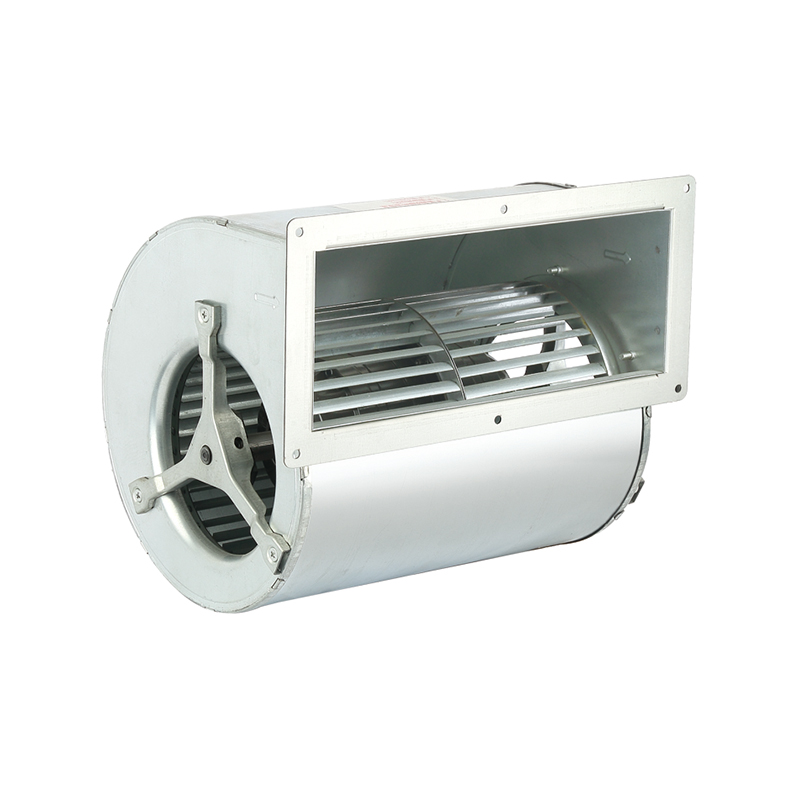
The DKT-133 Cooling Ventilation Double Inlet Air Conditioning Fan is d...
See Details
The DKT-146 Multi-Function Variable Frequency Double Inlet Air Conditi...
See Details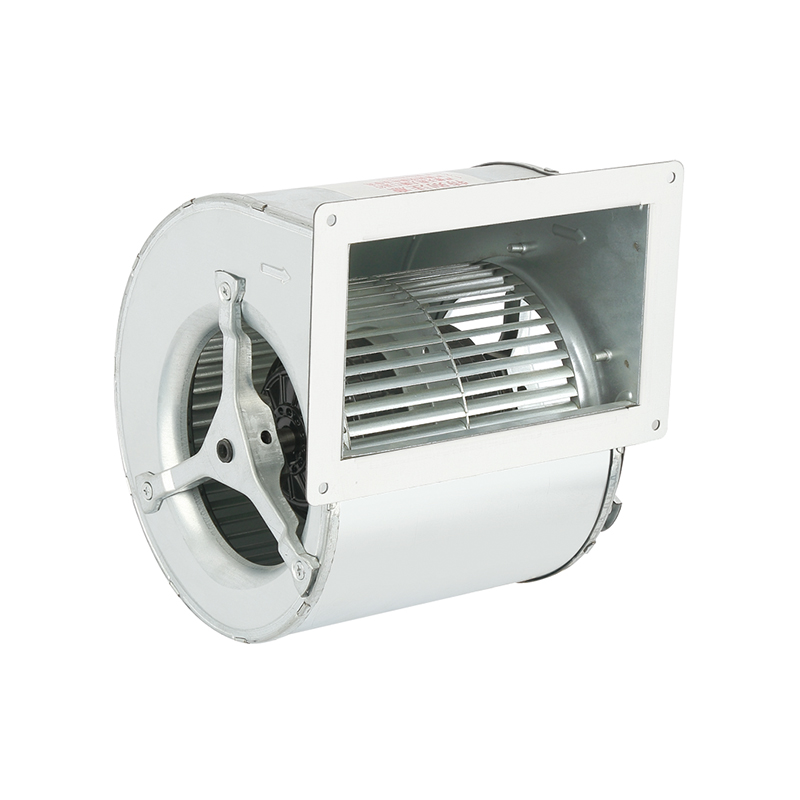
The DKT-160 Heat Dissipation Exhaust Double Inlet Air Conditioning Fan...
See Details
The DKT-180 Tilt Back Cool Down Double Inlet Air Conditioning Fan, a s...
See Details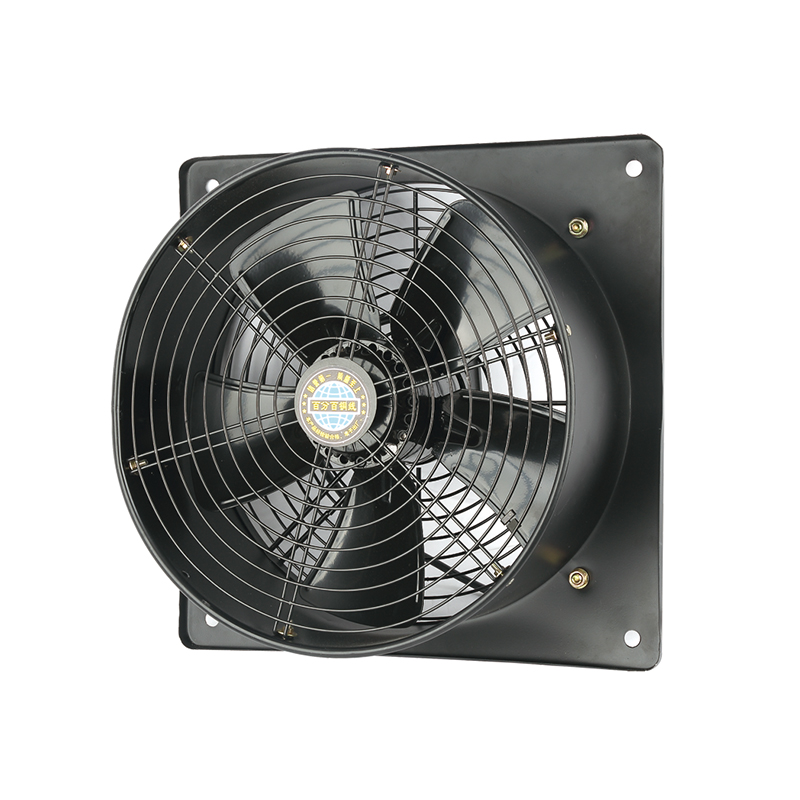
The YWF-400-2D2E Efficient Square form Axial fan is designed with a fo...
See Details
The YWF-350-2D2E Low noise Square form Axial Fan is designed with a co...
See Details
The YWF-350-4D4E Low vibration Square form Axial Fan is a outstanding ...
See Details
The YWF-400-4D4E Durable Square form Axial Fan is designed with advanc...
See Details
Qinlang focuses on providing high-quality products and considerate services, and is committed to meeting every expectation of our customers.
© Zhejiang Qinlang Electromechanical Co., Ltd.
Fans And Air-Cooling Equipment Factory
