 English
 русский
 عربى
عربى Español
Qinlang focuses on providing high-quality products and considerate services, and is committed to meeting every expectation of our customers.
The DKT-133 Cooling Ventilation Double Inlet Air Conditioning Fan is d...
See Details
Fan speed directly affects how air moves through a ventilation system. A higher rotational speed can increase airflow, while a lower setting may suit a space where only moderate air movement is required. Running at one fixed speed across every operating condition can therefore create unnecessary airflow or noise.
A High Speed Axial Fan is often used where air needs to move through an open or relatively direct path. Actual operating demand still changes according to room conditions, equipment temperature, air resistance and ventilation requirements.
Speed control provides a way to adjust operation according to those changing conditions. Rather than treating airflow as a fixed requirement, operators can match fan operation with the amount of air needed at a particular time.
Several factors usually need to be considered together:
Speed control also influences electrical consumption and mechanical stress. A fan that operates at a suitable speed can avoid unnecessary running demand, while repeated changes in speed need to remain within the working range of the motor and control equipment.
Changing rotational speed changes how much air the fan can move. As speed rises, airflow generally increases, while reducing speed lowers the amount of air delivered into the surrounding system.
Airflow does not depend on the fan alone. Ducts, filters, grilles and other components can create resistance, changing how much air actually reaches the intended area.
For a High CFM Axial Fan, system resistance becomes especially important because a large airflow requirement can be affected by restrictions downstream. Increasing fan speed may raise airflow to a certain extent, although speed alone cannot remove a blocked filter or poorly arranged outlet.
A simple operating relationship can be viewed through three areas:
Fan Speed → Air Movement → System Resistance
Each part affects the next. When resistance changes, the fan may need a different operating condition to maintain suitable ventilation.
Operators can therefore compare airflow requirements with actual system conditions before changing speed. A room that needs less ventilation during part of the day may not require the same fan setting used during periods of greater heat or air movement.
Voltage adjustment can be used with certain motor and fan arrangements to change operating speed. Lowering or increasing the supplied voltage may alter how the motor runs, although the effect depends on the electrical design of the motor.
Voltage control is generally easier to apply where a simple change in airflow is needed rather than continuous and precise adjustment. Compatibility remains important because not every motor responds in the same way to voltage changes.
Poorly matched voltage control can affect motor stability. A motor may produce additional heat, operate unevenly or have difficulty maintaining suitable torque under load.
Before selecting a voltage-based method, several points need attention:
Starting also deserves attention. A motor needs enough electrical support to begin rotation before settling into a lower running condition. A control method that works during normal operation may require a different arrangement during startup.
Frequency adjustment changes the electrical conditions supplied to a motor, allowing rotational speed to be controlled across a wider operating range.
For applications where airflow needs to change regularly, frequency-based control can provide a smoother adjustment than simple voltage changes. Operators can increase speed when ventilation demand rises and reduce operation when airflow requirements fall.
Acceleration and deceleration should remain controlled. A sudden change in operating speed can affect the fan, motor and connected ventilation system, particularly where the equipment has significant rotating mass.
Frequency control also needs to match the motor's electrical characteristics. A suitable control arrangement considers both the motor and the load rather than treating the fan as an independent component.
For a High CFM Axial Fan, gradual speed adjustment can be useful when ventilation demand changes throughout normal operation. Heat removal, room conditions and equipment activity can all influence the desired airflow.
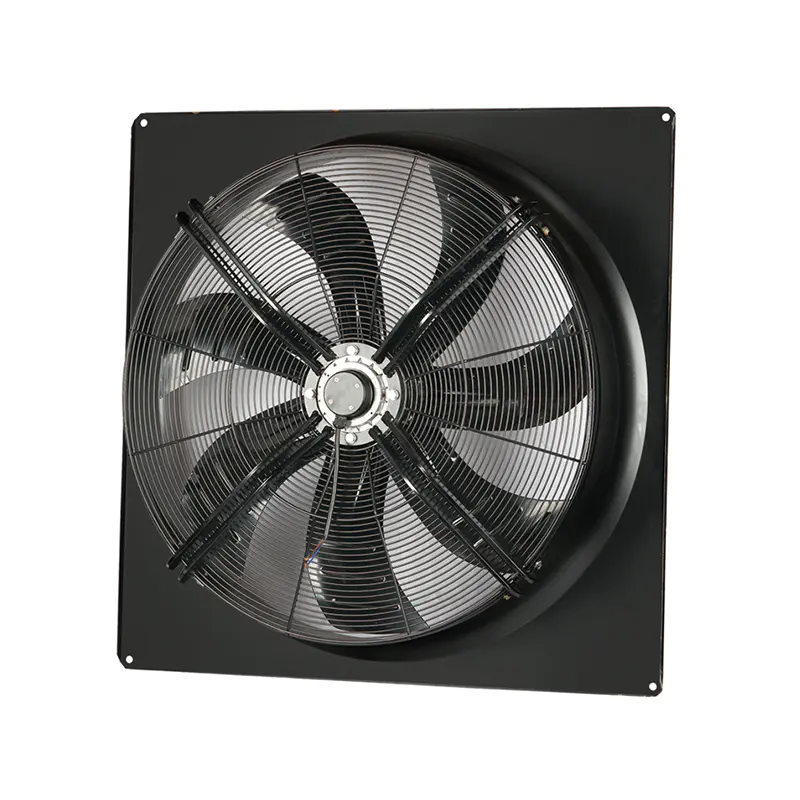
Electronic controllers can provide different ways to adjust fan speed. Some arrangements offer several fixed settings, while others allow smoother changes according to operating demand.
A controller should be compatible with the motor and intended operating range. Mismatched equipment can produce unstable running, additional heat or unwanted electrical noise.
Control settings can also affect sound. Fan noise is influenced by rotational speed and airflow, so reducing speed may change the acoustic condition around the equipment.
Monitoring helps during adjustment. Operators can watch for:
Electronic control can also support automatic operation when connected with suitable sensors or control systems. Such arrangements allow fan speed to respond to changing ventilation conditions rather than relying entirely on manual adjustment.
A fan does not operate in isolation from the ventilation path. Filters, ducts, grilles and bends can all influence how easily air moves through a system.
When resistance increases, actual airflow can fall even when the fan continues running. Increasing speed may compensate for part of the change, although excessive resistance can place additional demand on the motor.
For that reason, airflow problems should not automatically be treated as a speed problem. A blocked filter, restricted outlet or unsuitable duct arrangement may need attention before changing the fan setting.
A useful inspection sequence is:
Check the Air Path → Identify Resistance → Review Fan Speed → Check Motor Condition
Such an approach helps prevent unnecessary speed increases. For a High Speed Axial Fan, maintaining a clear airflow path can be just as important as selecting an appropriate control method.
Operating conditions around a fan can change how speed control works in practice. Temperature, dust, moisture and available airflow all influence motor behavior, so a control setting that works in one location may feel different in another.
Heat deserves particular attention. As a motor runs, part of the electrical energy becomes heat, which needs to leave through the housing and surrounding air. Higher ambient temperature or restricted airflow can make heat removal more difficult.
Reducing fan speed may also reduce airflow around the motor in some installations. A lower speed setting can therefore change both the amount of air being delivered and the cooling condition around the motor.
Environmental factors can include:
Dust can collect around the fan blades, motor housing and nearby air passages. Accumulation may affect airflow and add mechanical resistance, while moisture can create additional concerns around electrical connections.
For a High Speed Axial Fan installed in an industrial or outdoor environment, speed control should therefore be considered together with the surrounding conditions rather than treated as a separate electrical adjustment.
Motor load changes when airflow resistance changes or when mechanical parts become harder to move. A clean ventilation path may allow the fan to operate smoothly, while blocked passages or accumulated material can increase resistance.
A rise in mechanical demand can influence current, temperature and running behavior. When speed begins to fluctuate or the motor sounds different, checking the mechanical side of the system can help identify the cause.
Fan blades also affect load. Dirt, imbalance or physical damage can change how the rotating assembly behaves. Bearing condition matters as well because increased friction can place additional demand on the motor.
Useful signs to observe include:
Speed control cannot correct every mechanical issue. Increasing the setting to compensate for restricted airflow may place additional demand on the motor without addressing the original cause.
For a High CFM Axial Fan, maintaining clean blades and suitable mechanical conditions helps keep speed adjustment predictable. Electrical control and mechanical maintenance need to work together.
Manual control allows an operator to change fan speed according to immediate conditions. Such an arrangement can be practical where ventilation needs are relatively easy to observe and do not change frequently.
Automatic control takes a different approach. Sensors or control equipment can monitor a selected condition and adjust fan operation when ventilation demand changes.
Temperature is one possible reference. When a room becomes warmer, airflow may need to increase. Once conditions return to a lower level, fan speed can be reduced.
| Control Method | Typical Use | Main Consideration |
|---|---|---|
| Manual adjustment | Changing airflow by operator | Requires regular attention |
| Fixed speed settings | Simple ventilation changes | Limited adjustment |
| Automatic adjustment | Changing environmental conditions | Requires compatible control equipment |
| Combined control | Variable operating needs | More coordination between components |
Automatic operation can reduce the need for constant manual changes, although installation and setup need to match the fan motor and ventilation system.
For a High Speed Axial Fan, the suitable method depends on how often airflow demand changes and how closely the ventilation system needs to respond.
Selecting a speed control method begins with the motor rather than the controller alone. Electrical construction determines which control approaches can be used safely and consistently.
Application conditions also matter. A fan working in a room with changing temperatures may need a different arrangement from one operating at a steady airflow requirement.
A practical selection process can consider:
System resistance should be reviewed at the same time. A control method may change motor speed, yet the resulting airflow still depends on the resistance created by ducts, filters and outlets.
For a High CFM Axial Fan, the desired airflow should therefore be considered alongside the complete ventilation path. Increasing motor speed without checking system resistance can create additional noise, heat or electrical demand without producing the expected airflow improvement.
Speed control works more predictably when the fan itself remains in suitable mechanical and electrical condition. Maintenance does not need to focus only on the controller because the fan, motor, wiring and airflow path all influence operation.
Fan blades can collect dust or other material, changing their balance and reducing airflow. Bearings may also develop additional friction over time, while loose electrical connections can affect motor operation.
A routine inspection can cover:
Unusual vibration deserves attention because it may indicate imbalance, loose components or mechanical wear. Unusual heating can also point toward excessive load, restricted cooling or an electrical problem.
Cleaning the airflow path can sometimes restore normal operation without changing the speed setting. Maintenance therefore needs to come before unnecessary increases in operating speed.
Fan speed control has gradually become part of wider ventilation planning. Instead of treating a fan as a device that simply runs at one fixed setting, operators can consider how airflow demand changes within the working environment.
A High Speed Axial Fan may serve different needs during different operating periods. Equipment temperature, room occupancy, outdoor conditions and process activity can all affect the required airflow.
A coordinated system connects several elements:
Airflow Demand → Control Signal → Fan Speed → Air Movement → Environmental Response
When demand changes, fan speed can be adjusted accordingly. Such coordination can help avoid running the equipment harder than necessary during periods of lower ventilation demand.
System design also needs to account for maintenance. Controllers should remain accessible, electrical connections should be protected, and fan components should have enough space for inspection.
For a High CFM Axial Fan, speed control is therefore not simply a matter of increasing or reducing motor rotation. Motor type, airflow resistance, environmental conditions, mechanical load, cooling and maintenance all affect the result.
A suitable control arrangement begins with the actual ventilation requirement and follows through to the fan, motor and surrounding air path. Keeping those elements aligned makes speed changes easier to manage during normal operation.
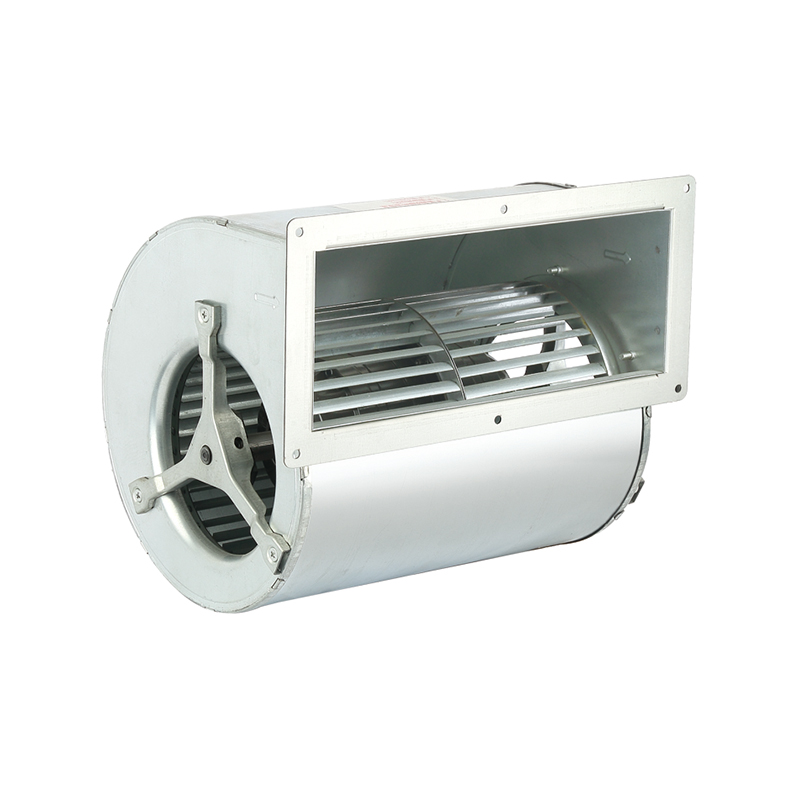
The DKT-133 Cooling Ventilation Double Inlet Air Conditioning Fan is d...
See Details
The DKT-146 Multi-Function Variable Frequency Double Inlet Air Conditi...
See Details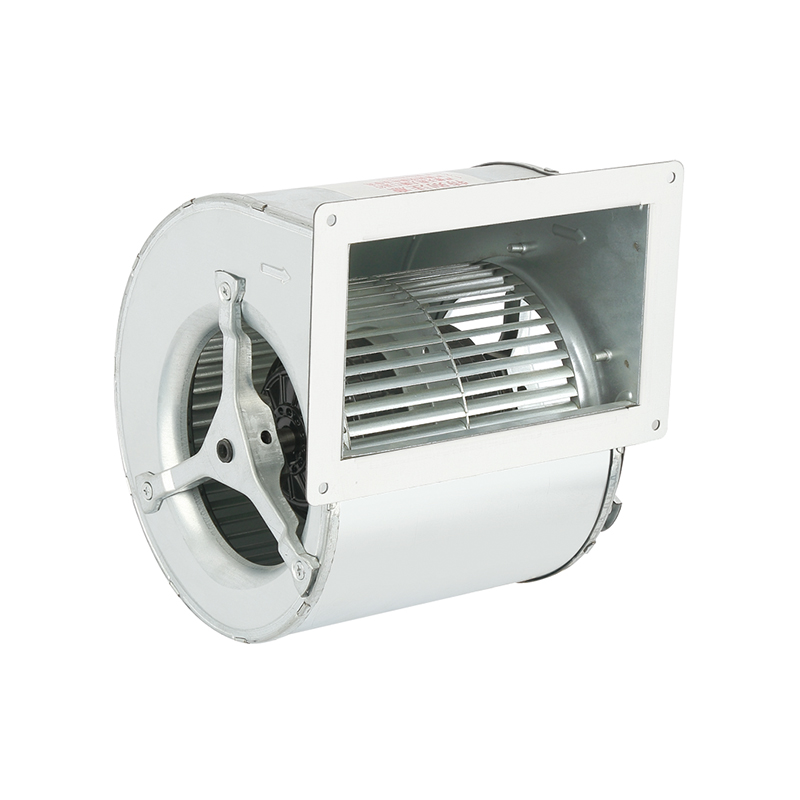
The DKT-160 Heat Dissipation Exhaust Double Inlet Air Conditioning Fan...
See Details
The DKT-180 Tilt Back Cool Down Double Inlet Air Conditioning Fan, a s...
See Details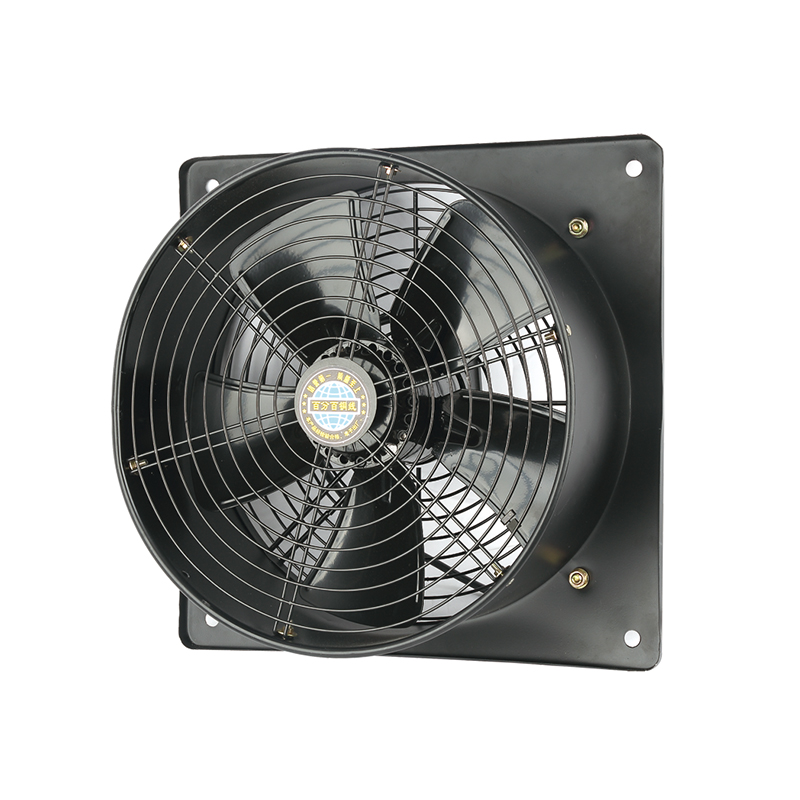
The YWF-400-2D2E Efficient Square form Axial fan is designed with a fo...
See Details
The YWF-350-2D2E Low noise Square form Axial Fan is designed with a co...
See Details
The YWF-350-4D4E Low vibration Square form Axial Fan is a outstanding ...
See Details
The YWF-400-4D4E Durable Square form Axial Fan is designed with advanc...
See Details
Qinlang focuses on providing high-quality products and considerate services, and is committed to meeting every expectation of our customers.
© Zhejiang Qinlang Electromechanical Co., Ltd.
Fans And Air-Cooling Equipment Factory
