 English
 русский
 عربى
عربى Español
Qinlang focuses on providing high-quality products and considerate services, and is committed to meeting every expectation of our customers.
The DKT-133 Cooling Ventilation Double Inlet Air Conditioning Fan is d...
See Details
Ventilation systems exist to move air from one place to another. That air carries heat, moisture and airborne particles along with it, and its movement keeps indoor conditions within acceptable ranges for comfort or safety. At the center of every ventilation system sits a fan — the piece providing the mechanical energy that drives air through ducts, past filters and into occupied spaces.
Choosing a fan takes more than picking a size off a shelf and bolting it in. Every application comes with its own airflow and pressure demands, and a fan that performs beautifully in one setting can fall flat in another if its characteristics don't line up with what the system actually needs. The link between fan selection and overall ventilation performance is direct, and it shows up in measurable ways.
A handful of ventilation design outcomes trace straight back to fan choice:
A fan matched to system requirements supports solid ventilation performance. One that doesn't match creates problems that tend to surface sooner or later.
Every ventilation application begins with an airflow requirement. The space being ventilated has a defined volume, and its intended use dictates how many air changes are needed per hour. A workshop running welding equipment needs considerably more air movement than a typical office. A kitchen needs more ventilation than a storage room sitting quietly nearby.
Airflow volume gets expressed in units of air moved per unit of time. Air changes per hour reflects how many times the space's volume gets exchanged with outside air. Higher occupancy or more pollution sources both point toward needing more air changes to keep conditions acceptable.
The fan needs to move that required airflow against whatever resistance the duct system throws at it. Matching fan capacity to actual requirements is what lets the system perform the way it's supposed to. An oversized fan wastes energy and generates unnecessary noise. An undersized one simply can't deliver enough air to meet ventilation needs.
Moving air through a duct system takes pressure. The fan creates a pressure difference that pushes airflow from its outlet, through the duct network, out to the discharge point. How much pressure is needed depends on duct configuration, fittings and whatever else sits in the airstream.
Resistance in a duct system builds up from several sources. Friction occurs as air drags against duct walls. Bends and transitions stir up turbulence that adds resistance of its own. Filters, dampers, heating or cooling coils — each adds its own pressure drop along the way.
A fan's pressure capability determines how much air actually moves through a given system. A fan with limited pressure capacity delivers little airflow in a system carrying high resistance. That same fan might deliver plenty of airflow in a system with low resistance instead. Fan performance curves lay out the relationship between airflow and pressure across a fan's operating range, which is exactly why they're worth checking before committing to a unit.
Two broad fan types show up in ducted ventilation systems. Axial fans move air straight along the axis of the impeller — air enters one end and exits the other without changing direction. Centrifugal fans, sometimes called blowers, redirect airflow through the housing instead. The impeller pulls air in along the axis and discharges it radially outward.
Axial fans generally move large volumes of air at relatively modest pressures, making them a good fit for applications with short duct runs and moderate resistance. Centrifugal fans handle higher pressures well, though they may move less air for the same power input.
| Fan Type | Airflow Direction | Pressure Capability | Typical Applications |
|---|---|---|---|
| Axial | Straight through | Moderate | Duct systems with moderate resistance |
| Centrifugal | Changes direction | High | Duct systems with high resistance and long runs |
Each type suits its own combination of pressure and airflow needs. Choosing between them comes down to weighing system resistance against airflow requirements — a fan matched to both will simply outperform one that isn't.
Impeller diameter plays a significant role in fan performance. Larger impellers generally move more air at a given speed, though they often demand more power to do it. Smaller impellers have to spin faster to hit the same airflow target, which tends to push noise levels up.
The relationship between impeller size, airflow and pressure isn't a simple straight line. Doubling impeller diameter doesn't double airflow output — the actual effect depends heavily on blade design and motor speed working together.
Blade design shapes how efficiently the fan turns motor power into usable airflow. Some blades are built to prioritize airflow volume, others to favor pressure. Blade shape, angle and count all influence how the fan behaves across different operating speeds.
Motor power needs to line up with what the impeller demands at design conditions. A motor sized too small can't drive the impeller to its intended performance level. One sized too large just wastes energy and drives up operating costs unnecessarily.
High Efficiency Duct Fan designs are built with all of this in mind. Impeller size, blade geometry and motor selection come together to hit the desired airflow and pressure targets while keeping energy consumption as low as practically possible. A well-matched fan delivers its rated airflow while burning noticeably less energy than one that was never quite matched to the job in the first place.
Ventilation fans run for long hours — in some buildings, they operate around the clock without a break. The energy they draw over weeks, months and years adds up to a meaningful share of a building's total energy bill. Fan selection has a direct hand in how much electricity the ventilation system pulls from the supply.
Energy consumption climbs alongside airflow volume and system pressure. A fan moving more air simply consumes more energy to do it. A fan pushing against higher pressure burns more energy for the same airflow output. This relationship between those factors and power draw holds fairly consistently across fan types.
Operating costs pile up over the life of an installation. A fan using more energy than it needs to will cost more to run, and over several years, the gap in operating cost between an efficient fan and a mediocre one can grow substantial. The price difference at purchase time often gets offset by energy savings down the road.
Energy efficiency ties into component selection in a few distinct ways:
A fan operating at its design point tends to run more efficiently than one working off its curve. Matching fan selection to system requirements helps preserve efficient operation across the life of the installation.
Where a fan sits within the duct system changes how it actually performs. A fan mounted directly at the duct inlet sees different inlet conditions than one installed downstream of a bend, and the airflow pattern entering the fan affects how efficiently it moves air.
Inlet and outlet conditions shape how air enters and leaves the fan. Swirl or uneven airflow at the inlet can drag down fan efficiency. Restrictions at the outlet can build back pressure that reduces airflow. Straight duct sections before and after the fan help produce more uniform airflow conditions overall.
System effects at connections can eat into actual fan performance. A fan that tests well in a lab may deliver noticeably less airflow once installed if the connections aren't ideal. That gap between catalog performance and real-world performance is known as system effect, and it can be sizable enough to matter.
Installation factors worth weighing:
Solid installation practice helps a fan deliver the performance it was designed for. Following manufacturer guidance on inlet and outlet conditions supports more reliable operation over time.
Air doesn't travel through empty ducts in isolation. Along the way, it runs into filters, dampers, coils and other components, and each one adds resistance to the airflow. Total resistance is what determines how much pressure the fan actually needs to generate.
Filters grow more restrictive as they collect particles over time. A clean filter adds some resistance; a dirty one adds considerably more. Fan selection should factor in the resistance of clean filters as a starting point, plus the added resistance that builds up as filters load with dust.
Dampers add variable resistance depending on where they sit. A fully open damper barely adds resistance; a partially closed one adds quite a bit. If a system relies on dampers for airflow control, the fan needs to operate reliably across a range of pressure conditions rather than just one fixed point.
Heating and cooling coils add their own resistance too. Air passing through a coil changes direction and speed, stirring up turbulence that feeds into overall system pressure. Coil design, fin spacing and face velocity all play into how much resistance a given coil creates.
The size gap between a 200mm Axial Fan and a 400mm Axial Fan reflects genuinely different airflow and pressure capabilities. A larger impeller moves more air at a given speed, though it also needs more power to pull that off.
A 200mm Axial Fan fits applications where airflow needs stay moderate and duct size is limited. It can deliver solid ventilation for smaller spaces or shorter duct runs, and its compact size makes it easier to fit into tight locations.
A 400mm Axial Fan handles larger airflow volumes with more ease. It suits applications carrying higher ventilation demands or longer duct runs, since the larger impeller can shift more air without spinning at excessively high speeds to get there.
Operating conditions differ noticeably between the two:
| Aspect | 200mm Axial Fan | 400mm Axial Fan |
|---|---|---|
| Typical airflow range | Moderate | Higher |
| Suitable duct size | Smaller diameter | Larger diameter |
| Space requirements | Compact | More space needed |
| Application examples | Small rooms, short ducts | Large spaces, longer ducts |
Picking between sizes shapes both system performance and energy use down the line. The right choice depends on required airflow and the resistance built into the duct system — a fan sized too small won't deliver enough ventilation, and one sized too large just burns more energy than the job calls for.
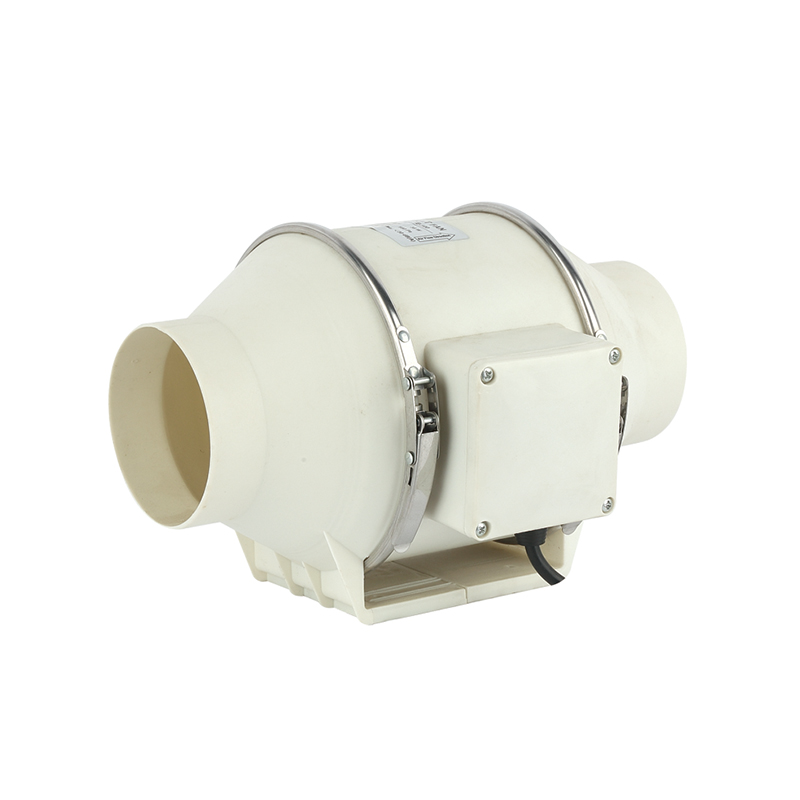
Choosing a duct fan means weighing several factors together rather than fixating on one. Each factor plays into how well the fan ends up meeting the application's actual needs.
| Consideration | Questions to Ask |
|---|---|
| Airflow needed | How many air changes per hour? |
| System pressure | How long are the ducts? |
| Installation space | Is there room for the fan? |
| Noise concerns | Will noise affect occupants? |
| Operating hours | How many hours per year? |
| Access for service | Can the fan be reached for maintenance? |
Selecting a duct fan should reflect the full context of the installation rather than any single number in isolation. A fan matched to the airflow, pressure and space requirements — while meeting energy and noise expectations too — will serve its purpose reliably. The aim is choosing a fan that supports solid ventilation performance without dragging along unnecessary cost or wasted energy.
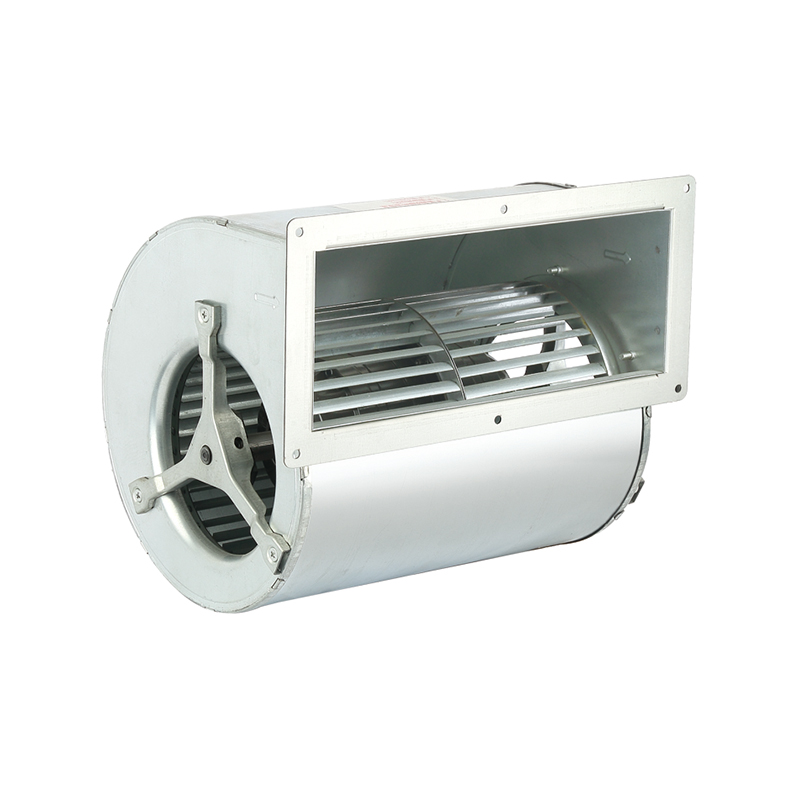
The DKT-133 Cooling Ventilation Double Inlet Air Conditioning Fan is d...
See Details
The DKT-146 Multi-Function Variable Frequency Double Inlet Air Conditi...
See Details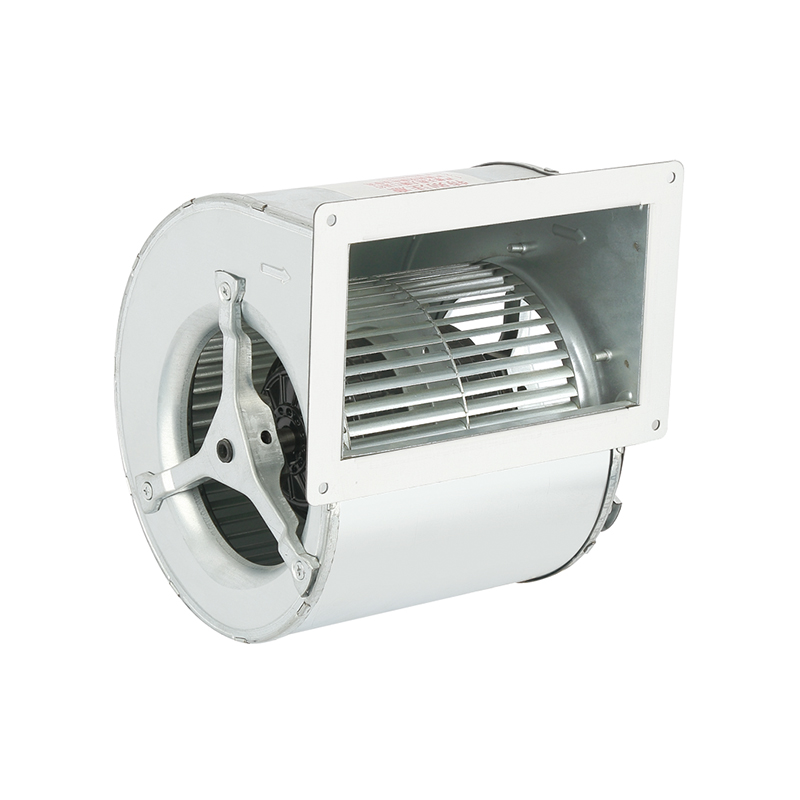
The DKT-160 Heat Dissipation Exhaust Double Inlet Air Conditioning Fan...
See Details
The DKT-180 Tilt Back Cool Down Double Inlet Air Conditioning Fan, a s...
See Details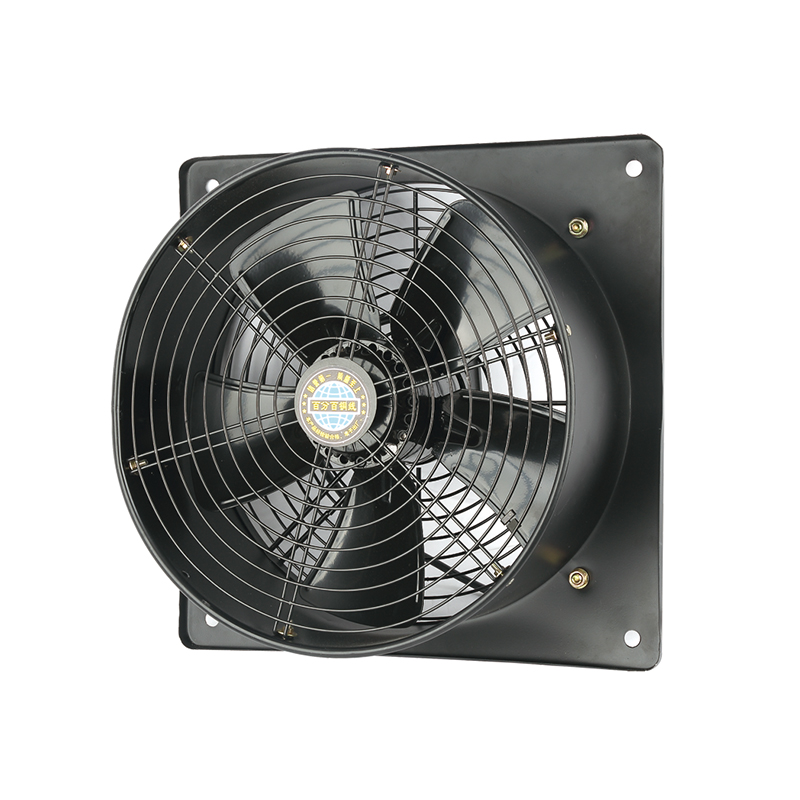
The YWF-400-2D2E Efficient Square form Axial fan is designed with a fo...
See Details
The YWF-350-2D2E Low noise Square form Axial Fan is designed with a co...
See Details
The YWF-350-4D4E Low vibration Square form Axial Fan is a outstanding ...
See Details
The YWF-400-4D4E Durable Square form Axial Fan is designed with advanc...
See Details
Qinlang focuses on providing high-quality products and considerate services, and is committed to meeting every expectation of our customers.
© Zhejiang Qinlang Electromechanical Co., Ltd.
Fans And Air-Cooling Equipment Factory
