 English
 русский
 عربى
عربى Español
Qinlang focuses on providing high-quality products and considerate services, and is committed to meeting every expectation of our customers.
The DKT-133 Cooling Ventilation Double Inlet Air Conditioning Fan is d...
See Details
Good air movement often goes unnoticed until something goes wrong. In factories, warehouses, offices, and other large spaces, steady airflow keeps temperatures even, helps equipment run smoothly, and maintains decent air quality. When airflow starts jumping around—rising and falling unpredictably—things quickly become uncomfortable, inefficient, or even damaging.
Many people turn to an Energy Efficient Duct Fan to fix these problems. While these fans are excellent at moving air with less electricity, simply putting one in doesn't automatically give you calm, consistent flow. Stability comes from how the whole system is planned, put together, and looked after.
Why Steady Airflow Actually Matters
Stable airflow means the volume of air, the pressure, and the direction stay reasonably constant instead of swinging wildly. When it's working well you get:
Unstable flow, on the other hand, creates hot/cold patches, wastes fan power fighting resistance, makes more noise, and shortens the life of filters, motors, and other parts.
What an Energy Efficient Duct Fan Brings to the Table
These fans are built to push or pull air through ducts while using noticeably less power than older designs. They help stability by:
But a good fan can't overcome a badly designed or poorly installed duct system. It needs the right surroundings to perform at its best.
Most Common Reasons Airflow Becomes Unstable
Instability usually starts somewhere other than the fan:
Practical Ways to Make Airflow More Stable
Here are the most effective steps people actually use in real buildings and facilities.
1. Fix the duct layout first (biggest single impact)
Try to:
Every bit of turbulence you remove helps the fan work more steadily.
2. Pick a fan that actually fits the real conditions
Look closely at:
A correctly sized, properly selected energy-efficient model (EC motor, for example) usually runs much closer to its sweet spot.
3. Install it thoughtfully
Small details during installation matter a lot:
4. Use balancing dampers intelligently
Install manual or automatic dampers at key branch points. After everything is running:
This one step often transforms a "problem system" into a calm one.
5. Stay on top of cleanliness
A fan works hardest—and becomes least stable—when fighting dirt. Set up a schedule to:
Stable vs. Unstable Behavior
| Condition | Description |
|---|---|
| Stable system | Air arrives where it should, roughly the same amount every time |
| Unstable system | Some rooms feel stuffy while others get blasts; bills creep up; components wear faster |
Small Ongoing Habits That Keep Things Steady
Modern Controls That Help a Lot
Many newer energy-efficient duct fans come ready for:
Even a basic pressure sensor + VFD can make a noticeable difference in stability.
Things to Stop Doing Right Away
When You've Done What You Can and It's Still Not Right
If you've sealed leaks, balanced the system, cleaned everything, and chosen a suitable fan but things still feel uneven, it may be time to:
An energy-efficient duct fan is a powerful tool for better ventilation—but only when the rest of the system isn't fighting against it. Focus first on smooth, leak-free ducts, sensible fan placement, proper balancing, and regular cleaning. Do those well and the fan can deliver steady, quiet, low-energy airflow for years with far fewer headaches.
That's really the heart of it: the fan is important, but airflow stability is mostly about everything around the fan working together sensibly.
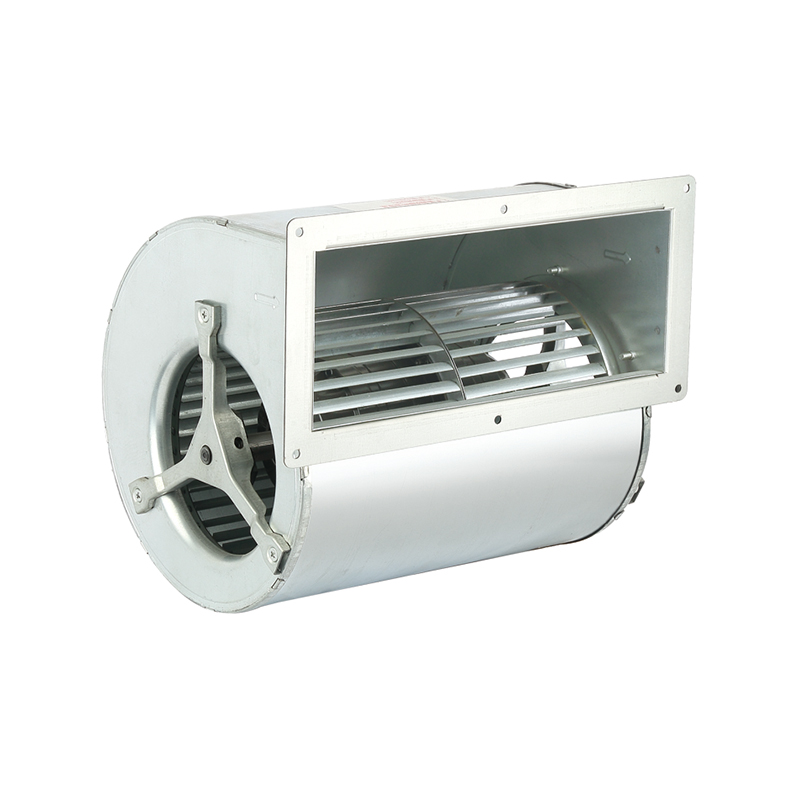
The DKT-133 Cooling Ventilation Double Inlet Air Conditioning Fan is d...
See Details
The DKT-146 Multi-Function Variable Frequency Double Inlet Air Conditi...
See Details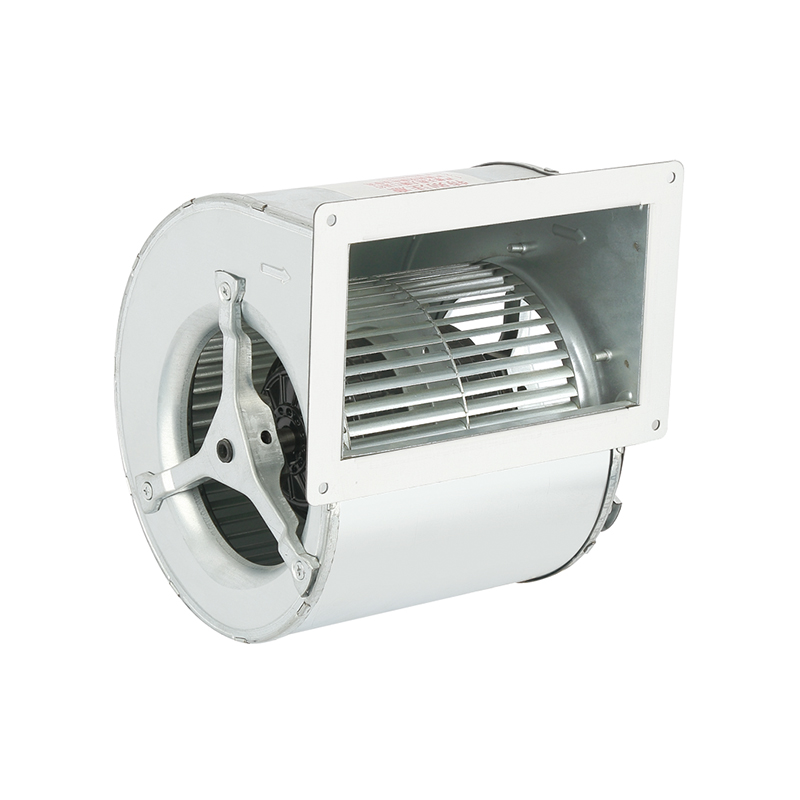
The DKT-160 Heat Dissipation Exhaust Double Inlet Air Conditioning Fan...
See Details
The DKT-180 Tilt Back Cool Down Double Inlet Air Conditioning Fan, a s...
See Details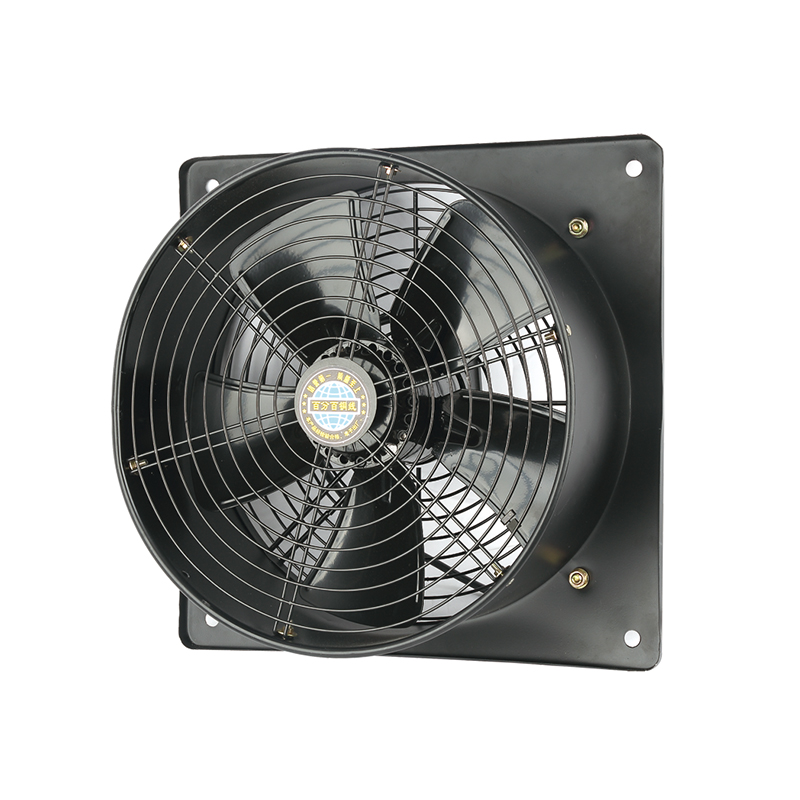
The YWF-400-2D2E Efficient Square form Axial fan is designed with a fo...
See Details
The YWF-350-2D2E Low noise Square form Axial Fan is designed with a co...
See Details
The YWF-350-4D4E Low vibration Square form Axial Fan is a outstanding ...
See Details
The YWF-400-4D4E Durable Square form Axial Fan is designed with advanc...
See Details
Qinlang focuses on providing high-quality products and considerate services, and is committed to meeting every expectation of our customers.
© Zhejiang Qinlang Electromechanical Co., Ltd.
Fans And Air-Cooling Equipment Factory
