 English
 русский
 عربى
عربى Español
Qinlang focuses on providing high-quality products and considerate services, and is committed to meeting every expectation of our customers.
The DKT-133 Cooling Ventilation Double Inlet Air Conditioning Fan is d...
See Details
In many ventilation and air movement projects, the idea of pressure often becomes a central topic during planning. Whether it is a factory workshop, an underground space, a tunnel system, or a general industrial building, air does not move in a completely free way. It faces resistance, bends through ducts, passes filters, and reacts to the structure of the environment.
This is where Vane Axial Fan And Tube Axial Fan become important to understand. Both are widely used in air circulation systems, but they respond differently when the pressure requirement changes. Instead of treating them as interchangeable tools, it is more practical to see how each one behaves under different system conditions.
Understanding air pressure in ventilation systems
Air pressure in a ventilation system is not just about force. It is about how air moves through resistance. When air travels through:
it gradually loses momentum. The system then requires additional support to keep airflow stable.
In simple terms, higher resistance means the system needs stronger ability to maintain movement, while lower resistance allows air to pass more freely.
This is the environment where fan selection becomes meaningful, and where Vane Axial Fan And Tube Axial Fan are often compared.
Basic concept of axial airflow systems
Axial flow equipment moves air in a straight line, parallel to the shaft of rotation. This makes them suitable for continuous airflow movement across spaces.
However, not all axial designs behave the same way when pressure increases. Structural differences inside the fan housing and blade arrangement influence how air is guided and controlled.
Two common configurations include:
Each one manages air resistance in a slightly different way, especially when the system becomes more complex.
Tube axial fan behavior in pressure conditions
A tube axial fan is generally known for its straightforward airflow path. Air enters from one side and exits from the other in a relatively direct line.
In lower resistance environments, this design works smoothly because air does not face many obstacles. However, as system resistance increases, airflow may start to lose stability.
In practical use, tube axial configurations are often seen in:
When the pressure requirement increases due to longer ductwork or added system components, the airflow may need additional support from system design rather than the fan alone.
This does not mean it cannot be used in more complex systems, but it usually requires careful matching with duct layout and resistance conditions.
Vane axial fan behavior in pressure conditions
A vane axial fan includes internal guide elements that help organize airflow after it passes through the rotating blades. These guiding structures help reduce turbulence and improve flow direction control.
In systems where resistance is more noticeable, this design tends to provide more structured airflow behavior.
Typical environments include:
Instead of air dispersing randomly after leaving the rotor, the internal vane structure helps guide it more evenly into the downstream system.
This becomes useful when pressure conditions are not stable or when airflow needs to travel through longer paths.
Key differences in how pressure is handled
| Aspect | Tube Axial Fan | Vane Axial Fan |
|---|---|---|
| Airflow path | Direct movement | Guided airflow after rotor |
| Resistance handling | Suitable for lower resistance | More structured under resistance |
| Duct compatibility | Short or simple ducting | Medium complexity duct systems |
| Flow stability | Depends on system layout | More controlled direction |
| Application focus | General ventilation | Structured air delivery |
Why pressure behavior matters in real systems
In real projects, airflow is not just about moving air from point A to point B. The system design often includes:
Each of these factors increases resistance in a different way.
If the fan type does not match the pressure condition, several things may happen:
This is why selecting between Vane Axial Fan And Tube Axial Fan is not only a product decision but also a system design consideration.
Airflow resistance and system design interaction
Air resistance is not a fixed number in most environments. It changes depending on:
Because of this variability, ventilation systems are usually designed with some flexibility.
Tube-style designs tend to respond more directly to changes in resistance, while vane-assisted designs help stabilize airflow direction when resistance becomes less predictable.
Neither approach is universal. The choice depends on how stable or variable the system environment is expected to be.
Application scenarios in different environments
Scenario 1: Open industrial workshop
In a large open workshop with minimal ducting, air can move relatively freely. In this case, tube axial systems are often used because airflow resistance is low and direct movement is sufficient.
Scenario 2: Multi-branch duct system
In a facility where air needs to travel through multiple ducts and branches, resistance increases. Vane-assisted axial systems are often considered here because airflow direction control becomes more important.
Scenario 3: Semi-enclosed production area
When air must circulate within controlled zones, pressure balance becomes more sensitive. Either system can be used, depending on layout, but vane-guided airflow may help maintain more consistent distribution.
Scenario 4: Retrofit ventilation upgrade
When replacing older ventilation systems, engineers often evaluate existing duct resistance before selecting between Vane Axial Fan And Tube Axial Fan. The decision depends on how much modification the existing system allows.
Installation environment influence
Installation conditions often influence performance more than the fan design itself.
Important environmental factors include:
If installation conditions are not aligned with system design, even a well-matched fan type may not perform as expected.
Tube axial systems usually require simpler alignment conditions, while vane-assisted systems may require more attention to airflow direction consistency.
Common misunderstandings in selection
There are several common assumptions in ventilation planning:
1. One fan type works for all pressure conditions
In reality, system resistance varies widely, so matching is important.
2. Higher airflow automatically solves pressure issues
Airflow volume alone does not guarantee stability under resistance.
3. Duct length is the only factor that matters
Bends, filters, and transitions also affect system pressure.
4. Fan selection is independent from system design
In practice, both must be considered together.
Understanding these points helps avoid mismatched expectations during system planning.
Maintenance and long-term system behavior
Over time, ventilation systems naturally change due to:
These changes can increase resistance gradually.
Tube axial systems may show more sensitivity to such changes in certain layouts, while vane-assisted systems can help maintain more stable airflow direction under shifting conditions.
Regular inspection of duct conditions is as important as equipment maintenance itself.
Practical selection thinking
Instead of asking which fan is better, a more practical approach is:
By answering these questions, the role of Vane Axial Fan And Tube Axial Fan becomes clearer in system planning.
System planning perspective
In modern ventilation design, engineers often treat fans as part of a complete airflow network rather than standalone components. This includes:
Within this framework, tube-style axial systems often serve simpler airflow routes, while vane-assisted systems help manage more structured distribution requirements.
Both play roles depending on how the system is built.
Air pressure needs in ventilation systems are closely linked to resistance, system layout, and environmental conditions. Vane Axial Fan And Tube Axial Fan respond differently to these factors, making each suitable for different types of airflow networks.
Tube configurations generally align with simpler airflow paths, while vane-assisted designs help organize airflow in more structured environments.
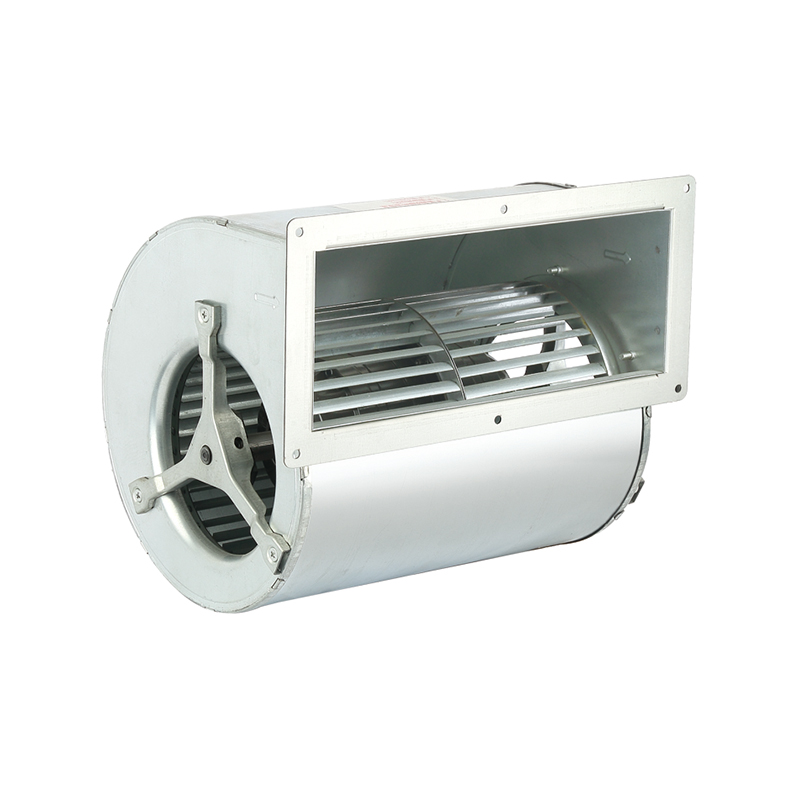
The DKT-133 Cooling Ventilation Double Inlet Air Conditioning Fan is d...
See Details
The DKT-146 Multi-Function Variable Frequency Double Inlet Air Conditi...
See Details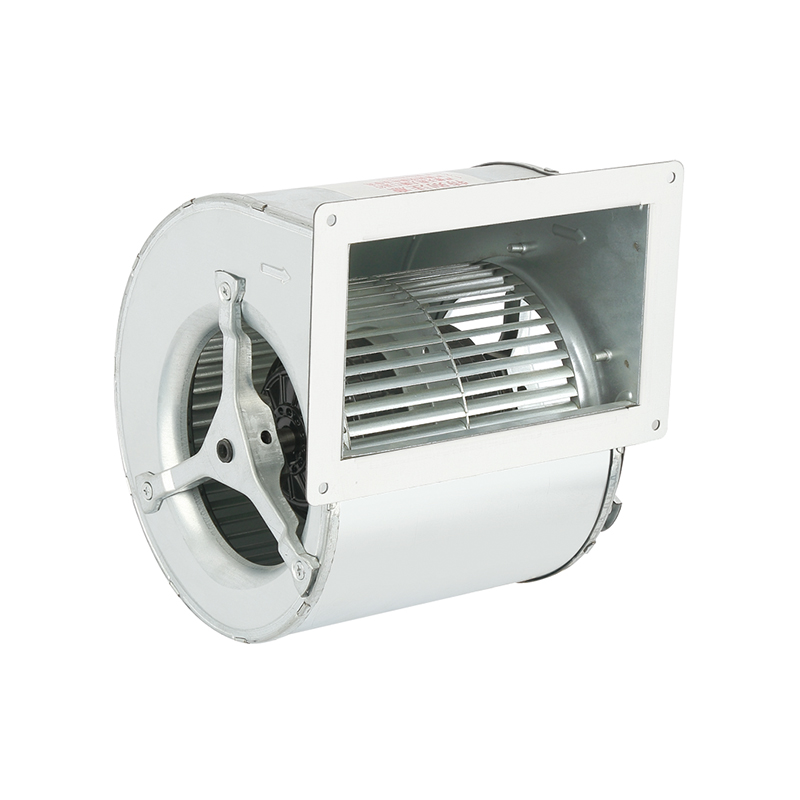
The DKT-160 Heat Dissipation Exhaust Double Inlet Air Conditioning Fan...
See Details
The DKT-180 Tilt Back Cool Down Double Inlet Air Conditioning Fan, a s...
See Details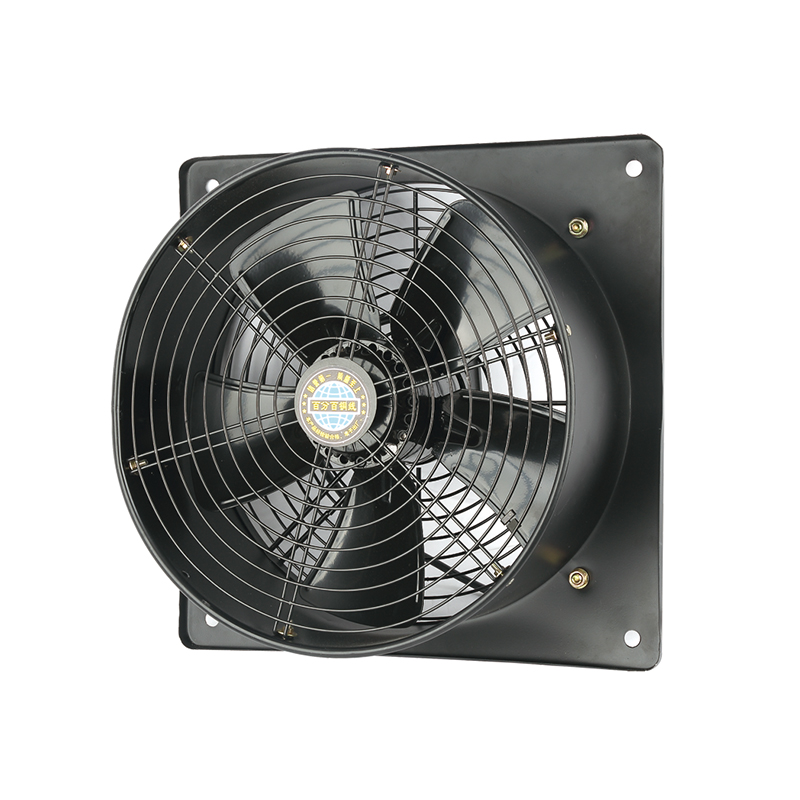
The YWF-400-2D2E Efficient Square form Axial fan is designed with a fo...
See Details
The YWF-350-2D2E Low noise Square form Axial Fan is designed with a co...
See Details
The YWF-350-4D4E Low vibration Square form Axial Fan is a outstanding ...
See Details
The YWF-400-4D4E Durable Square form Axial Fan is designed with advanc...
See Details
Qinlang focuses on providing high-quality products and considerate services, and is committed to meeting every expectation of our customers.
© Zhejiang Qinlang Electromechanical Co., Ltd.
Fans And Air-Cooling Equipment Factory
