 English
 русский
 عربى
عربى Español
Qinlang focuses on providing high-quality products and considerate services, and is committed to meeting every expectation of our customers.
The DKT-133 Cooling Ventilation Double Inlet Air Conditioning Fan is d...
See Details
Square axial fan is a kind of mechanical device designed to move air or gas along a straight path. Unlike other fan designs that redirect airflow at an angle, an axial fan pushes air in the same direction as the fan's rotation axis. The rectangular shape of the casing offers practical advantages for installation and compatibility in different systems. This design is widely applied in industry, business, and electronics, where space and air flow management are important.
Axial fans are widely used in many types of systems because of the way they move air along the axis of rotation. This straight-line airflow provides practical benefits in a variety of environments. Unlike some other fans that redirect air through curves or channels, axial fans deliver a direct and predictable flow, which can simplify ventilation, cooling, or extraction tasks.
Straight and Consistent Airflow
One of the most notable benefits of an axial fan is the efficiency with which it moves the air. Because the air travels along the axis of the fan, it can quickly reach its destination without losing energy through a complicated ducting. For example, in a server cabinet, a control board, or a small machine enclosure, a square axial fan can push air directly over the components that produce heat. This straight air flow reduces the possibility of formation of hot spots, which helps to maintain a consistent operation.
Compact and Space-Saving Design
Many axial fans are designed with square or rectangular shells. This form factor allows them to be mounted in confined spaces where round or bulky fans might not fit. Flat, square frames allow the fan to be attached to a wall, panel, or ceiling without any additional support. This allows you to save space in a crowded machine room or a compact electronic cabinet.
Versatile Installation Options
The axial fan can be installed in different directions according to the air flow demand. Horizontal, vertical, or angled setups are all possible. Some of the fans come with mounting holes or brackets for quick installation, while others are available for special use. This versatility makes it possible for a designer to work with a single fan model across several systems, and to reduce the need for custom components.
Moderate Noise Levels
While the noise level is dependent on such factors as size, speed, and working environment, an axial fan generally produces a moderate sound. This makes them ideal for areas with too much noise, like an office, a control room or a workshop. Designers can confidently design air flow systems, as acoustic shocks are predictable.
Ease of Maintenance
Axial fans are often easily accessible for cleaning or inspection. Many models have a removable grille or an open case that allows the removal of dust and debris without dismantling the whole system. Bearings and motor components can be easily accessed, which simplifies routine maintenance and helps extend the life of the fan.
Energy Efficiency Considerations
Axial fans are able to move large volumes of air without excessive energy use, especially in applications where airflow is short and direct. While energy efficiency varies depending on motor design, operating conditions, and speed, axial fans tend to require less energy compared with fans that push air through curved ducts or long channels. This makes them a practical choice for continuous operation or systems that run for long periods.
Configurations and Options
Square axial fans are available in multiple configurations to meet specific requirements. Options include air flow rate, motor type, and installation style. Choosing the correct configuration will ensure efficient operation of the fan and satisfy system requirements.
| Configuration | Purpose | Notes |
|---|---|---|
| Standard airflow | General cooling or ventilation | Suitable for electronics or small enclosures |
| High-speed operation | Faster air movement | May produce slightly more noise |
| Removable grille | Easy maintenance | Simplifies cleaning and inspection |
| Multiple mounting orientations | Flexible installation | Fits horizontal, vertical, or angled setups |
Key Points to Consider
Practical Examples
Through understanding the benefits of an axial fan, users can make better choices for ventilation, cooling, or airflow. Direct air flow, flexible installation, and easy maintenance are a useful part of many systems. Although they may not be suitable for long distance ducting, in many common applications they offer a balance of performance, simplicity, and reliability.
Square axial fan is a versatile tool that finds its place in a wide range of environments. It is designed in such a way that air flows in a straight line along the shaft of the fan, providing a controlled flow of air for cooling, ventilation, or stabilization of the environment. Due to its simple and adaptable nature, it can be used in a wide variety of applications, from electronics to industrial spaces, to even specific settings like laboratories and custom machines.
1. Electronics Cooling
Heat management is one of the most common problems in electronics. Components such as a processor, a power supply, and a circuit board generate heat. The square axial fan helps to move the air through the components, preventing excessive heat accumulation and maintaining stability.The compact design allows for direct installation in or near the enclosure of the apparatus, which is especially useful in a confined space where greater ventilation is impractical.
Examples of electronics applications:
2. Industrial Ventilation
Air circulation in factories, workshops, and manufacturing areas is crucial for security and comfort. Machinery and industrial processes produce heat, dust, and sometimes fumes. Square axial fan can be mounted on the wall, ceiling, or equipment frame to allow air to flow through the work area, thus providing better ventilation without complicated piping. Its direct airflow helps to efficiently remove heat and air particles.
Key industrial uses include:
3. HVAC Support
Square axial fans are also used to support heating, ventilation, and air-conditioning systems. They can increase air flow in some areas without requiring major modifications to ductwork. This makes them ideal for concentrated air circulation in rooms, corridors, or over special facilities. A moderate level of noise ensures that the fan can operate in a crowded area without causing any environmental damage.
Benefits in HVAC setups:
4. Enclosure and Cabinet Ventilation
A lot of sensitive equipment is housed in a cupboard to protect it from dust, humidity, or accidental contact. These enclosures can be fitted with a square axial fan to ensure a constant flow of air without opening the door. This is especially useful for electric panels, machine housings, or other devices that produce heat but need to be protected.
Common enclosure applications:
5. Laboratories and Cleanrooms
In a controlled environment, air flow control is necessary to maintain stability and cleanliness. A square axial fan can guide air along specific paths, helping to maintain a constant temperature and reduce the accumulation of particles. In these configurations, the fan can be combined with filters or ducting to create laminar airflow for sensitive processes or experiments.
Laboratory considerations:
6. Custom Machinery Integration
It is common for designers to incorporate square axial fan into machines or devices. They can be used to provide cooling for electric motors, pumps, or other heat generating parts. The square shell allows for flexible installation, and the axial air flow delivers direct cooling to the desired location. This method minimizes the need for external ducting and supports compact machinery design.
Advantages for custom integration:
| Application Area | Typical Uses | Main Benefit |
|---|---|---|
| Electronics | Servers, networking cabinets, control panels | Prevents overheating, stabilizes operation |
| Industrial | Machinery, workshops, production areas | Moves air, reduces dust and heat buildup |
| HVAC | Rooms, equipment zones, corridors | Boosts airflow, balances temperature |
| Enclosures | Cabinets, housings, protective cases | Continuous ventilation without exposure |
| Laboratories | Cleanrooms, controlled environments | Maintains temperature and airflow stability |
| Custom Machines | Motors, pumps, integrated devices | Direct cooling, easy installation |
Practical Notes for Selection
When selecting a square axial fan for a particular application, several factors are worth considering:
Square axial fans are widely applicable because they combine simplicity, flexibility, and effective airflow. They are practical for electronics, industrial areas, HVAC systems, enclosures, laboratories, and custom machinery. By providing direct, steady airflow in a compact form, these fans solve ventilation challenges without the complexity of larger or more intricate systems. Understanding the application context helps ensure the fan operates efficiently, safely, and with minimal maintenance.
The reliability and uniformity of air flow is very important in the selection of square axial fan. The fan is designed for a wide variety of applications, from electronics and housing to industrial or laboratory settings. The utility model has the advantages of compact structure, convenient installation, and can adjust the airflow as required.
It is easy to maintain, quiet in operation, and flexible enough to integrate into different systems without major modifications. Whether for cooling equipment, improving ventilation, or supporting a custom machine, this fan offers practical, dependable airflow.
For those looking for a solution that combines thoughtful design with reliable performance, the QINLANG square axial fan provides a straightforward choice for a wide range of applications.
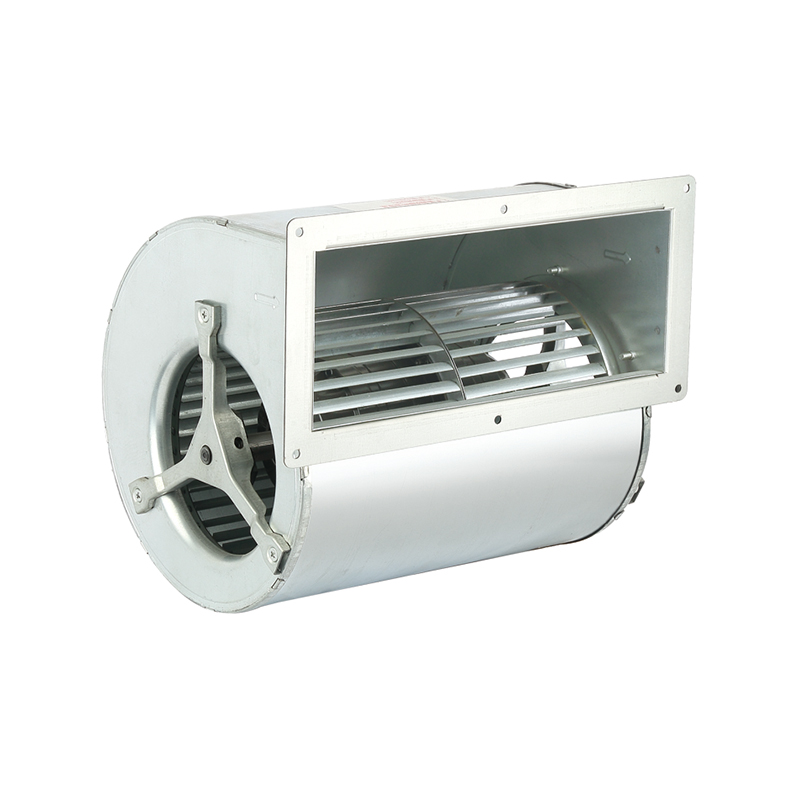
The DKT-133 Cooling Ventilation Double Inlet Air Conditioning Fan is d...
See Details
The DKT-146 Multi-Function Variable Frequency Double Inlet Air Conditi...
See Details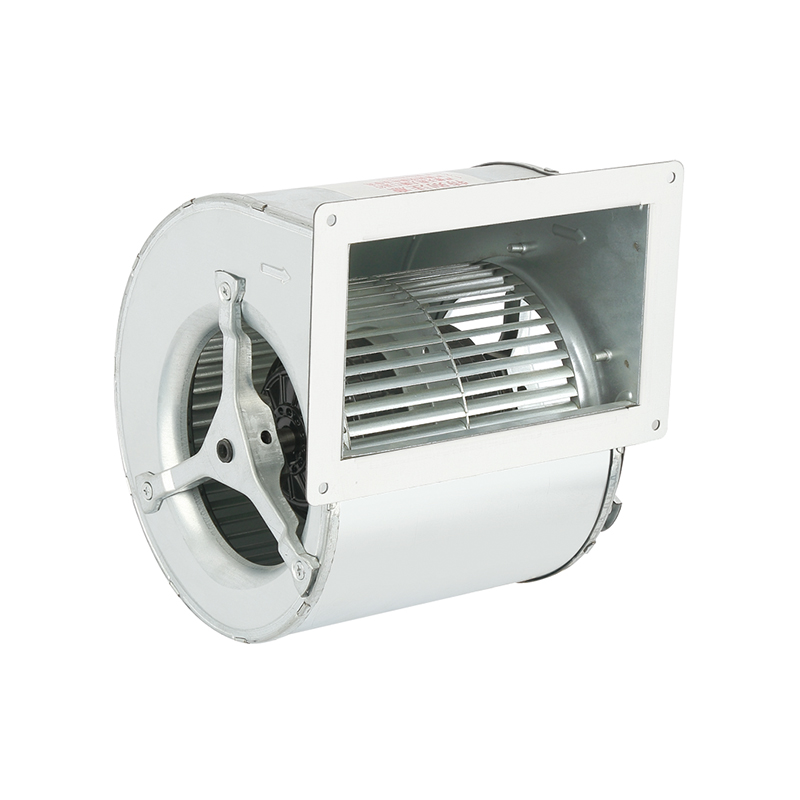
The DKT-160 Heat Dissipation Exhaust Double Inlet Air Conditioning Fan...
See Details
The DKT-180 Tilt Back Cool Down Double Inlet Air Conditioning Fan, a s...
See Details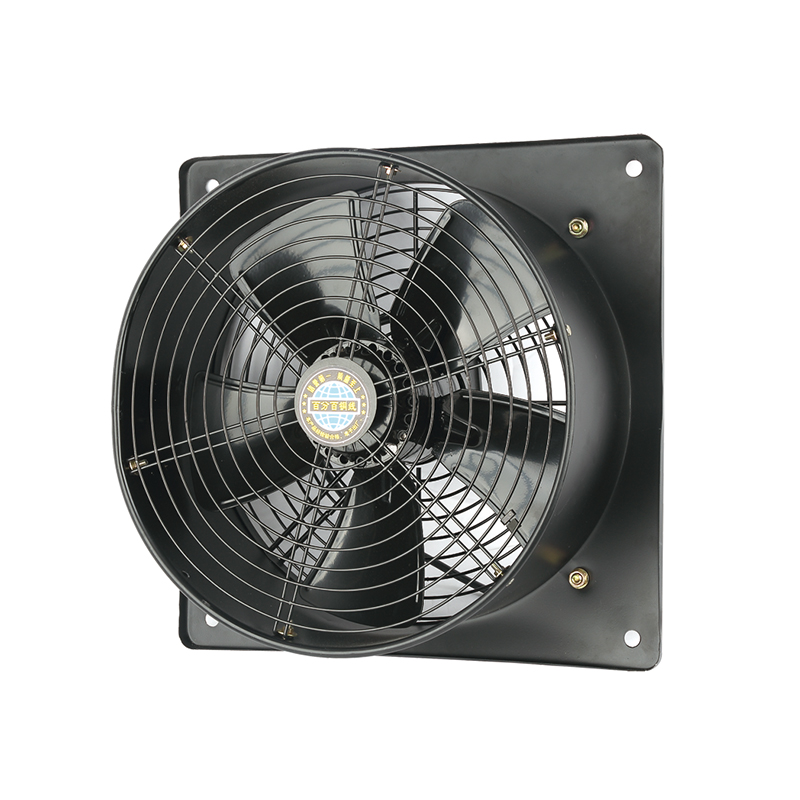
The YWF-400-2D2E Efficient Square form Axial fan is designed with a fo...
See Details
The YWF-350-2D2E Low noise Square form Axial Fan is designed with a co...
See Details
The YWF-350-4D4E Low vibration Square form Axial Fan is a outstanding ...
See Details
The YWF-400-4D4E Durable Square form Axial Fan is designed with advanc...
See Details
Qinlang focuses on providing high-quality products and considerate services, and is committed to meeting every expectation of our customers.
© Zhejiang Qinlang Electromechanical Co., Ltd.
Fans And Air-Cooling Equipment Factory
