 English
 русский
 عربى
عربى Español
Qinlang focuses on providing high-quality products and considerate services, and is committed to meeting every expectation of our customers.
The DKT-133 Cooling Ventilation Double Inlet Air Conditioning Fan is d...
See Details
When people think about ventilation equipment, noise is often noticed only after installation. A system may move air effectively, yet the sound it produces can quickly become a daily annoyance. This is where the idea of a low noise duct fan becomes relevant. Instead of focusing solely on air flow, this type of fan is designed with attention to the behavior of sound inside an enclosed space.
A low noise duct fan is used within duct systems to support air circulation while keeping operating sound at a restrained level. It is commonly installed in ceilings, walls, or hidden ducts where air needs to travel from one area to another.The main difference from more traditional ventilation fans is not the basic function, but the way airflow and mechanical movement are managed to reduce audible impact.
In many buildings, particularly those designed for long-term use, noise control is an integral part of the overall comfort plan. The quiet operation of the ventilation device helps to keep the interior stable without attracting attention. This is one of the reasons why low noise duct fans are increasingly taken into account during both new construction and renovation projects.
Understanding the Basic Role
At its core, a duct fan supports controlled air movement. It helps with the removal of stale air, the introduction of fresh air, or the balancing of air pressure in a space. In the low noise version, these tasks are performed with design options that reduce unwanted vibration and turbulence.
There are a number of ways that air passes through a duct can produce sound. Friction with duct surfaces, sudden changes in air flow direction, and mechanical motion within the fan all contribute to this. A quieter fan doesn't completely eliminate all of this, but it does manage them with more care. Consequently, the sound is less noticeable in daily operation.
Where These Fans Are Commonly Used
Low noise duct fans are selected for environments where people spend extended periods of time and where background sound matters. Typical use cases include:
In this setting, ventilation should support the space, not define it. Silent operation enables air systems to go unnoticed and still perform their function.
Design Focus Without Overcomplication
Although designs vary, many low noise duct fans share similar priorities. Rather than relying on one feature, sound reduction is often achieved through a combination of careful choices:
None of these elements work alone. Together, they help create a system that feels calm during use, even when operating for long periods.
Why Quiet Operation Is Often Overlooked
In many projects, ventilation planning is primarily concerned with air flow. Noise issues are sometimes dealt with at a later stage, once the system is in place. Adjustments may be limited at this time. Selecting a low noise duct fan earlier in the process helps to avoid this problem.
Sound is not always measured by volume alone. Tone, consistency, and location all influence how noticeable it becomes. A steady, low-level sound is often less disruptive than intermittent noise. Fans designed with quiet operation in mind tend to produce more stable acoustic behavior, which blends more easily into daily environments.
Practical Considerations for Real Spaces
Every space has different expectations for comfort. A storage area may tolerate more background noise than a bedroom or office. Knowing how a space is used will help determine if a low noise duct fan is suitable.
When planning ventilation, it is useful to think about:
These considerations are often as important as airflow itself, especially in shared or quiet environments.
Integration Into Existing Systems
One advantage of low noise duct fans is their ability to fit into existing duct layouts. Many are designed for straightforward integration, allowing upgrades without major structural changes. This makes them suitable for renovation projects where improving comfort is a goal but space is limited.
Proper installation is crucial for keeping silent performance. Even a well designed fan can produce unwanted noise if it is not properly installed or attached to poorly supported pipes. Attention to installation and alignment helps to maintain the desired performance.
Everyday Benefits Beyond Sound
While reduced noise is the primary focus, quieter ventilation can also support better indoor experiences overall. When background sound is controlled, occupants may feel less distracted and more comfortable. Over time, this contributes to a more pleasant living or working environment.
Low noise duct fans support continuous air circulation without drawing attention. This balance between function and subtlety is often what users value most once the system becomes part of daily life.
How exactly does it work in the ventilation system? From the outside, these fans often look similar to other duct-mounted units. The difference becomes clearer when examining how air moves through the system and how internal components interact during operation.
At a basic level, a duct fan supports air circulation by creating controlled movement within enclosed pathways. What separates a low noise design from a standard one is not the purpose, but the approach. Instead of forcing air through the system with abrupt motion, quieter models aim for smoother transitions that reduce unnecessary disturbance.
The Role of Airflow Direction
Air does not move silently by nature. When direction changes suddenly or space narrows without guidance, sound often follows. One of the key working principles behind low noise duct fans is managing how air enters, passes through, and exits the unit.
In many designs, airflow paths are shaped to guide air gradually rather than abruptly. This reduces turbulence, which is a common source of noise inside duct systems. When air remains stable and predictable, sound levels tend to stay lower and more consistent.
This controlled movement benefits not only acoustic comfort but also overall airflow stability. A steady path helps air reach its destination without unnecessary resistance.
Internal Components and Their Interaction
Inside a duct fan, several components work together continuously. The way these parts interact has a direct impact on sound behavior.
Rather than relying on one specific feature, low noise operation is usually the result of careful coordination between parts. When each element performs its role without strain, the entire system operates more smoothly.
Small details often matter here. Slight imbalances or loose connections can introduce unwanted sound over time. Designs that account for long-term stability tend to maintain quieter operation throughout daily use.
How Housing Design Influences Sound
The outer structure of a duct fan plays a larger role than many people expect. Housing does more than protect internal components. It also influences how sound behaves once it is generated.
A well-designed enclosure can help contain mechanical sound and prevent it from spreading through surrounding spaces. Materials and construction methods are chosen to support this function without adding unnecessary complexity.
In some installations, the fan housing also interacts with duct materials and mounting surfaces. Proper alignment helps avoid resonance, which can amplify even minor sounds. When the enclosure works in harmony with the duct system, overall noise perception is reduced.
The Relationship Between Vibration and Noise
Vibration is one of the most common contributors to audible disturbance in ventilation equipment. Even when airflow itself is smooth, vibration can transfer sound through walls, ceilings, or structural supports.
Low noise duct fans address this issue through multiple approaches:
By reducing vibration at the source, these fans help prevent sound from spreading beyond the immediate duct area. This approach is especially important in buildings where ducts run close to occupied rooms.
Installation as Part of the Working Process
How a fan works does not depend solely on its internal design. Installation plays a critical role in determining real-world performance. Even a carefully designed unit can produce unwanted noise if it is installed without attention to detail.
Factors that influence operational sound include:
When these elements are addressed during installation, the fan can operate as intended. This highlights the idea that low noise performance is a system-level outcome rather than a single product feature.
Continuous Operation and Sound Consistency
Many ventilation systems operate for extended periods. In such cases, sound consistency becomes just as important as volume. Sudden changes in noise can be more noticeable than a steady background sound.
Low noise duct fans are often designed to maintain stable operation over time. Smooth airflow and controlled movement help avoid fluctuations that draw attention. This consistency allows the system to blend into the environment instead of standing out.
In everyday use, this means occupants may become less aware of the ventilation system, even though it continues to support air circulation in the background.
How Design Choices Affect Everyday Use
From a user perspective, the internal working principles may not be visible, but their effects are noticeable. Quiet operation supports comfort during work, rest, or conversation. It also reduces the need for adjustments after installation.
Common user experiences associated with well-functioning low noise duct fans include:
These outcomes result from thoughtful design rather than added complexity. By focusing on how components interact, manufacturers can support quieter performance without overengineering.
Comparison of Design Approaches
| Aspect | Standard Duct Fan Approach | Low Noise Duct Fan Approach |
|---|---|---|
| Airflow movement | Direct and force-driven | Guided and controlled |
| Internal balance | Basic stabilization | Enhanced stability focus |
| Vibration handling | Limited isolation | Reduced transfer design |
| Sound behavior | Noticeable during use | Less intrusive during operation |
| Installation sensitivity | Moderate | Higher attention to alignment |
Long-Term Use and System Stability
Over time, ventilation systems experience wear from continuous motion. Designs that prioritize smooth operation often show more stable behavior as components age. Reduced strain on moving parts can help maintain quieter performance across longer usage periods.
Regular inspection and basic upkeep support this stability. Clean airflow paths and secure mounting help preserve the working characteristics originally intended by the design.
Noise usually enters the conversation later than it should. During early discussions about ventilation, attention is often placed on airflow routes, space limitations, and system layout. Sound is mentioned, but rarely examined in detail. Once the system is running, however, noise becomes one of the first things people notice. Unlike air movement, which works quietly in the background, sound stays present and difficult to ignore.
In everyday use, ventilation noise does not appear once and disappear. It stays. It repeats. Over time, even a small, steady sound can influence how people feel about the space they are in. This is why noise levels matter in a very practical sense, not only from a design standpoint, but from the perspective of daily experience.
Sound Is Not Just a Technical Issue
Noise is often discussed as a technical topic, yet its impact is personal. People react to sound based on context, habit, and expectation. A level that feels acceptable in one place may feel uncomfortable in another.
Ventilation systems are different from many other building elements because they operate continuously. A door closes and opens. A machine starts and stops. A duct fan, on the other hand, may run for hours without interruption. This makes its sound more noticeable, even if it is not particularly loud.
When ventilation noise blends naturally into the background, most people stop paying attention to it. When it stands out, it becomes part of the space in a way that few people appreciate.
How Different Spaces React to Noise
Noise sensitivity varies widely depending on how a space is used. This is something often learned through experience rather than planning documents.
In living areas, sound becomes more noticeable during quiet moments. Late evenings, early mornings, or periods of rest make even subtle noise easier to hear. In work environments, background sound can interrupt focus or make communication more difficult. In healthcare and care facilities, noise affects comfort and recovery, even when no one mentions it directly.
Spaces where people remain for long periods tend to reveal noise issues more clearly than short-use areas. Over time, occupants develop a strong awareness of what belongs in the background and what does not.
Continuous Noise and Human Response
One reason ventilation noise attracts attention is its consistency. A steady sound may seem harmless at first, but repeated exposure changes how it is perceived. What initially fades into the background can later feel distracting, especially in spaces where people expect calm.
Human response to sound is not linear. A small change in tone or rhythm can be more noticeable than a gradual shift in volume. Fans designed with quieter operation in mind usually aim for stable acoustic behavior, avoiding irregular patterns that draw attention.
Consistency does not mean silence. It means predictability. A sound that remains even and unobtrusive is easier to accept as part of the environment.
Work Environments and Daily Focus
In offices and commercial settings, background noise affects more than comfort. It influences how people concentrate, communicate, and remain engaged throughout the day.
Ventilation systems are rarely blamed first when distractions occur, but they are often noticed once other factors are ruled out. A low, constant hum can become tiring during long work hours. Over time, it may affect how people perceive the quality of the workspace.
Quiet airflow supports an environment where attention stays on tasks rather than equipment. This subtle contribution often goes unrecognized until it is missing.
Residential Settings and Shared Living
In homes, ventilation noise interacts closely with personal routines. It becomes noticeable during sleep, conversation, or quiet activities such as reading. Modern layouts, especially open designs, allow sound to travel further than expected.
In shared residential buildings, noise does not stay within one unit. Duct systems connect spaces, and sound can follow those paths. Quieter operation helps reduce unintended disturbance between neighboring areas, improving overall living experience.
When ventilation works quietly, it supports comfort without becoming part of daily discussion.
Noise and User Behavior
An important but often overlooked effect of noise is how it changes user behavior. When ventilation systems are perceived as disruptive, people adjust their habits.
This may include:
These adjustments are not related to airflow needs. They are responses to discomfort. Quieter systems encourage consistent use, which supports healthier indoor conditions without requiring reminders or manual intervention.
Industry Awareness and Practical Experience
Across the industry, awareness of acoustic comfort has grown steadily. Designers and installers increasingly recognize that noise should be considered alongside airflow and layout from the beginning.
This change is driven by experience rather than theory. Projects where sound was addressed early tend to receive fewer complaints later. Systems that operate quietly are more likely to be accepted as part of the building rather than seen as a problem to manage.
Noise awareness has become part of responsible ventilation planning, especially in occupied environments.
Factors That Shape Real-World Noise Perception
Noise perception depends on more than the fan itself. Several practical elements influence how sound is experienced:
Because noise results from system interaction, thoughtful planning is often more effective than corrective measures after installation.
Different Expectations Across Environments
| Space Type | Typical Use Duration | Sensitivity to Noise | General Expectation |
|---|---|---|---|
| Living spaces | Long-term | High | Sound should remain unobtrusive |
| Offices | Extended | Moderate to high | Noise should not interrupt focus |
| Schools | Group activity | High | Sound should not interfere with speech |
| Care facilities | Continuous | Very high | Quiet supports comfort |
| Service areas | Short visits | Low | Noise is less critical |
Beyond Comfort
Noise influences how spaces are valued and remembered. Buildings that feel calm are often described as comfortable, even when users cannot identify the specific reason. Ventilation that operates quietly contributes to this perception without drawing attention to itself.
From a maintenance standpoint, changes in sound can also signal shifts in system behavior. A stable acoustic profile makes unusual noise easier to notice, supporting timely inspection and upkeep.
Ventilation is often discussed in terms of function, layout, or efficiency, yet its success is usually judged in everyday use. When a system works quietly, it tends to fade into the background. People stop thinking about it, adjusting it, or questioning its presence. This quiet acceptance is often a sign that the ventilation approach fits the space it serves.
Understanding what a low noise duct fan is, how it operates, and why sound matters helps clarify why quieter solutions are increasingly considered during planning stages. Noise is not an isolated issue. It is connected to comfort, behavior, and long-term satisfaction with a building environment. Once a system is in place, sound becomes part of daily experience, whether it is welcomed or not.
Rather than treating noise as an afterthought, approaching it as part of overall system design allows ventilation to support indoor conditions more naturally. When airflow, structure, and acoustic awareness work together, ventilation can perform its role without drawing attention. This balance is often what defines a well-considered solution in real-world use.
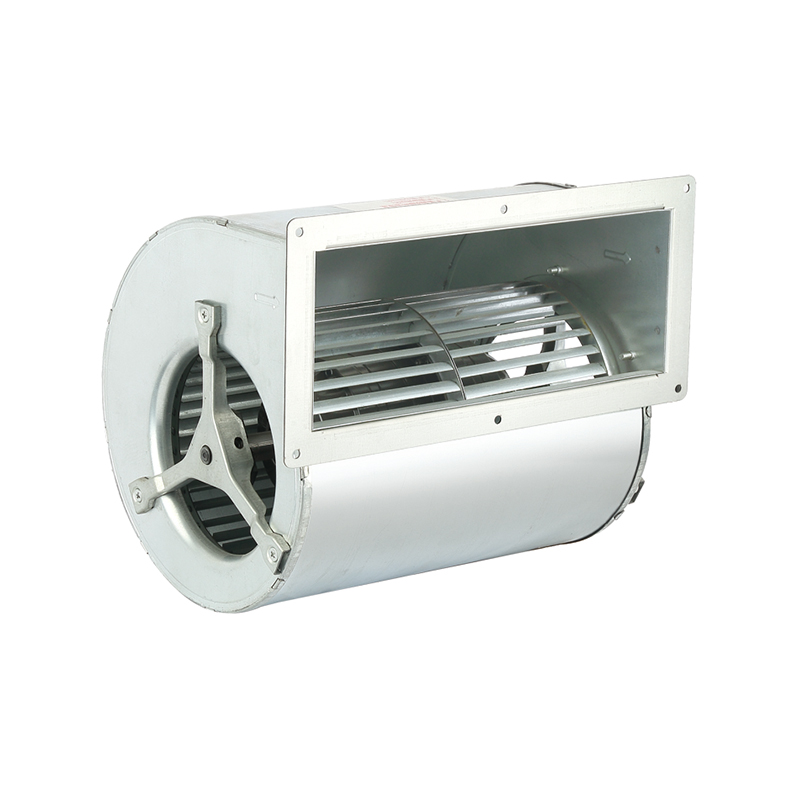
The DKT-133 Cooling Ventilation Double Inlet Air Conditioning Fan is d...
See Details
The DKT-146 Multi-Function Variable Frequency Double Inlet Air Conditi...
See Details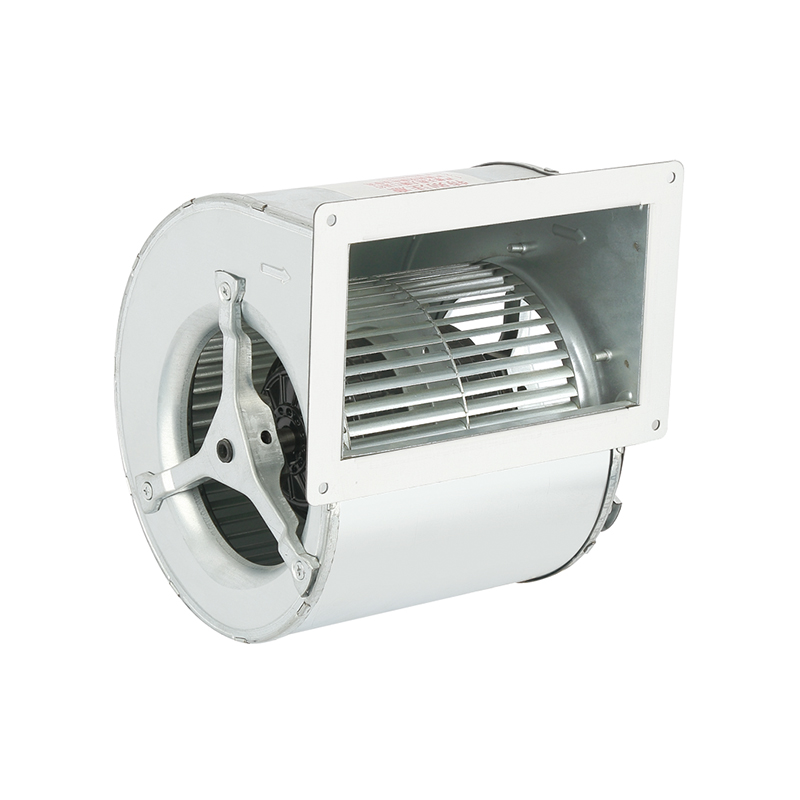
The DKT-160 Heat Dissipation Exhaust Double Inlet Air Conditioning Fan...
See Details
The DKT-180 Tilt Back Cool Down Double Inlet Air Conditioning Fan, a s...
See Details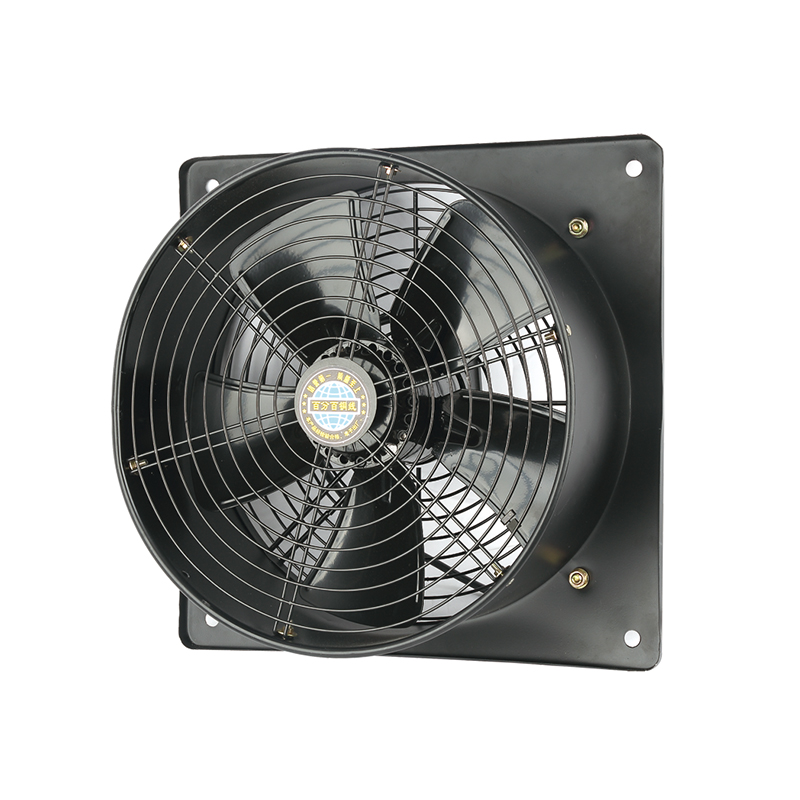
The YWF-400-2D2E Efficient Square form Axial fan is designed with a fo...
See Details
The YWF-350-2D2E Low noise Square form Axial Fan is designed with a co...
See Details
The YWF-350-4D4E Low vibration Square form Axial Fan is a outstanding ...
See Details
The YWF-400-4D4E Durable Square form Axial Fan is designed with advanc...
See Details
Qinlang focuses on providing high-quality products and considerate services, and is committed to meeting every expectation of our customers.
© Zhejiang Qinlang Electromechanical Co., Ltd.
Fans And Air-Cooling Equipment Factory
