 English
 русский
 عربى
عربى Español
Qinlang focuses on providing high-quality products and considerate services, and is committed to meeting every expectation of our customers.
The DKT-133 Cooling Ventilation Double Inlet Air Conditioning Fan is d...
See Details
Energy use in ventilation is closely tied to how much air a fan actually moves through a system and how much resistance it has to overcome. A fan may run smoothly while still using energy inefficiently when part of its airflow is lost through poor routing, unnecessary resistance, or an unsuitable operating range.
A High Efficiency Duct Fan is generally considered in systems where air needs to move through a defined duct path. Its role is not simply to create a large amount of airflow. Useful performance depends on whether air reaches the intended area without excessive effort from the fan.
Fan operation can be viewed through a simple chain:
Motor Power → Fan Rotation → Air Movement → Duct Transport → Target Area
Energy is spent at every stage. Poor duct layout can make the fan work harder, while insufficient airflow may cause the system to operate longer in an attempt to compensate.
Fan size also matters. An oversized unit may move more air than a space requires, while an undersized unit may struggle against system resistance. Neither situation necessarily supports sensible energy use.
Actual demand should therefore guide selection. A small ventilation area, a long duct route, and a large industrial space all create different requirements.
Useful assessment points include:
Energy use becomes easier to manage when air is delivered where it needs to go rather than simply increasing fan output.
Air does not move through a duct as though the path were completely open. Changes in direction, transitions between sections, narrow areas, filters, grilles, and outlet arrangements can disturb airflow and create additional resistance.
When resistance rises, a fan needs to work against a greater pressure difference. Depending on the system, energy consumption can increase while useful airflow at the destination changes very little.
Airflow design therefore has a close relationship with energy use. A straight, well‑planned route can allow air to travel with fewer disturbances, while a complicated route may require additional fan effort.
Placement also matters. A fan positioned too close to a sharp bend may receive airflow that is already uneven, affecting how air leaves the fan and enters the duct. Allowing suitable straight sections around the fan can help create a more stable flow pattern.
Air distribution becomes especially important when one fan supplies several areas. A branch located near the main air path may receive more airflow than a distant branch with greater resistance.
A practical system review can look at:
Improving the path can sometimes reduce unnecessary operating effort without changing the fan itself. Such an approach places attention on the whole ventilation route rather than treating energy use as a motor‑only issue.
A ventilation system is usually designed to move air toward specific areas rather than simply circulate air inside a duct. When airflow reaches one area too strongly and another area too weakly, additional adjustments may be needed to maintain the intended indoor conditions.
Uneven distribution can lead to repeated operation. A poorly ventilated area may continue to require more airflow, while another area receives air beyond its practical needs.
Consider a system serving several rooms. One branch may have a short path with little resistance, while another may pass through several bends and a longer section. Without suitable balance, the shorter route may receive more air.
A balanced arrangement does not mean every outlet receives identical airflow. Different rooms can have different ventilation requirements. Offices, storage areas, workshops, and equipment rooms may each require different levels of air movement.
| System Condition | Possible Result |
|---|---|
| Short low‑resistance route | Greater airflow may reach the outlet |
| Long duct route | More resistance may restrict airflow |
| Several sharp bends | Air movement may become less stable |
| Partly blocked filter | Fan workload may increase |
| Poor outlet position | Air may not reach the intended area evenly |
Energy use and air distribution are therefore linked. A system that repeatedly compensates for an under‑supplied area may consume energy without producing a corresponding improvement across the entire building.
Proper distribution begins with understanding where air needs to go, how much airflow each area requires, and what resistance exists along each route.
Fan capacity needs to match the ventilation task rather than simply provide as much airflow as possible. Larger airflow capacity can be useful where substantial air movement is required, although the surrounding duct system still determines how effectively that capacity can be used.
A High CFM Axial Fan can suit applications requiring substantial air movement through a ventilation route. Such equipment may be useful in systems serving large spaces or areas where air needs to be moved through relatively open paths.
High airflow capacity does not remove the need to examine resistance. A fan selected without considering duct layout may operate under conditions different from those expected during planning.
Capacity can be viewed alongside:
Airflow Demand + System Resistance + Operating Time + Duct Arrangement
Each factor affects actual energy use.
A fan that provides less airflow than the system requires may need to remain active for longer periods. A unit with considerably more airflow capacity may need additional control to avoid unnecessary air movement.
Operating schedules also matter. Some ventilation systems run continuously, while others operate according to occupancy, temperature, machinery use, or production activity.
Matching the fan to actual demand can therefore reduce unnecessary operation without compromising the intended ventilation function. Selection should begin with the working conditions and duct requirements rather than the fan label alone.
Duct resistance can change considerably according to the physical path taken by air. Long runs, narrow sections, sharp bends, filters, grilles, and poorly aligned transitions can all increase resistance.
When resistance becomes excessive, airflow may drop at the destination even though the fan continues running. Operators may then increase fan output or extend operating time to compensate, creating additional energy use.
A useful example is a long duct with several direction changes. Air loses part of its pressure while passing through each section, so the fan has to provide sufficient pressure to maintain the required movement at the outlet.
Blocked or dirty filters create a similar issue. As airflow becomes restricted, the fan operates against greater resistance. Cleaning or replacing a suitable filter can sometimes restore airflow without changing fan capacity.
Duct condition should therefore be reviewed before assuming that a larger fan is required.
Common resistance sources include:
Understanding resistance helps connect energy consumption with actual air movement. A ventilation system becomes more efficient when energy is used to transport useful airflow rather than overcome avoidable restrictions.
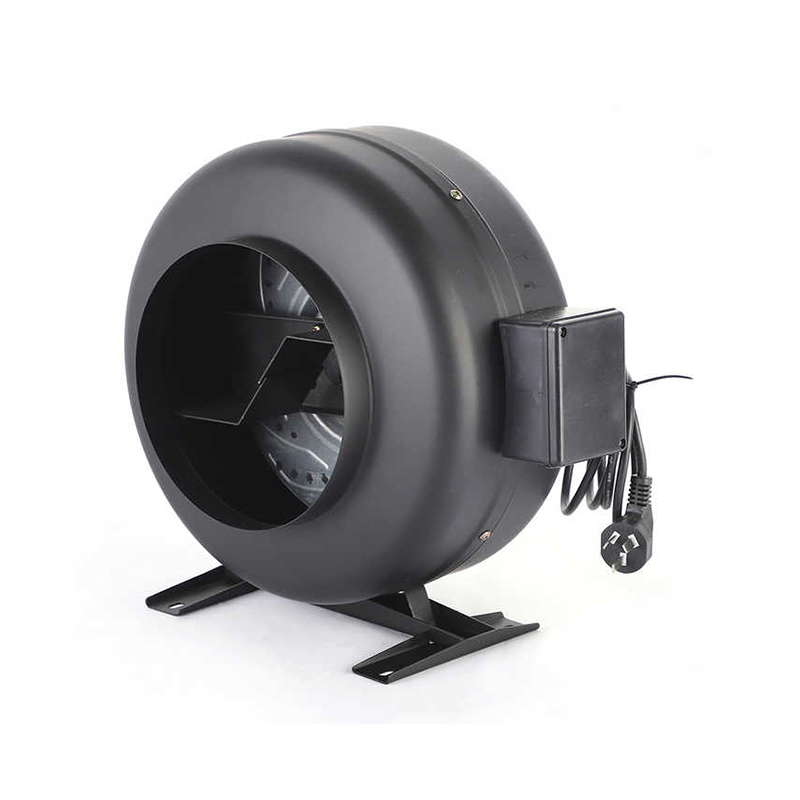
Air distribution depends on more than airflow leaving a fan. Duct length, bends, branch lines, outlet positions, and resistance along each section can change where air finally travels.
A High Efficiency Duct Fan can support steady air movement when fan capacity fits the actual ventilation route. Suitable output helps air move toward intended areas without relying on unnecessary increases in fan operation.
Fan position deserves attention during installation. A unit placed close to a sharp change in direction may send uneven airflow into the next duct section. A more suitable layout gives moving air a clearer path before reaching another bend or branch.
Branch arrangement can create differences between rooms as well. A short duct with little resistance may receive more air than a longer route containing several bends. Such an imbalance can leave one area well ventilated while another receives less air than expected.
Several details can affect distribution:
Good airflow distribution means that supplied air reaches useful areas instead of repeatedly moving through sections that do not require additional ventilation.
Uneven airflow can create unnecessary running time. A poorly supplied room may continue to need ventilation, while another area receives more air than required. Running the fan longer may help one location while adding energy use across the whole system.
A more balanced arrangement keeps airflow closer to actual demand. Air movement then has a clearer purpose, since energy is being used to deliver air rather than compensate for an unsuitable duct path.
Consider a ventilation route serving several rooms. One branch may have a short path, while another travels farther and contains more bends. Air naturally faces different resistance along each route. Without suitable adjustment, airflow can favor the easier path.
Useful changes may include:
A larger fan does not automatically solve weak airflow. Resistance may come from a filter, outlet, duct section, or branch connection. Identifying the restriction can prevent unnecessary increases in fan output.
Ventilation conditions rarely remain completely unchanged. Dust can collect around filters and grilles, duct connections can loosen, and changes in room use can alter airflow demand.
Simple observation can reveal useful clues. One outlet producing noticeably less air than nearby outlets may indicate an imbalance along the route. A change in normal operating sound can also suggest altered airflow conditions.
| Observation Area | Worth Checking |
|---|---|
| Weak airflow at one outlet | Branch route or outlet position |
| Uneven airflow between rooms | Duct balance |
| Higher operating noise | Air passage or fan condition |
| Reduced airflow across several outlets | Filter or duct condition |
| Irregular airflow | Changes in operating conditions |
Adjustment should follow the source of the problem. Increasing fan output without checking resistance may push additional air through an easier branch while leaving a restricted route largely unchanged.
Cleaning also has a practical role. Dust, blocked grilles, and restricted filters can gradually alter airflow. Keeping accessible parts in suitable condition helps preserve the original operating pattern.
Airflow requirements can change as building use changes. New partitions, additional equipment, altered work areas, or different ventilation needs may place new demands on an existing system.
Fan capacity should remain connected with actual airflow requirements. A relatively stable ventilation area may need a different arrangement from a space where demand changes throughout daily operation.
A High CFM Axial Fan can be considered where substantial air movement is needed. Capacity still needs to match duct resistance, outlet arrangement, and intended airflow. Large airflow capacity alone does not ensure useful air distribution.
A practical relationship can be viewed as:
Fan Capacity → Duct Resistance → Airflow Distribution → Actual Demand
A change in one part can affect another. Greater resistance can restrict airflow, while a changed outlet position can alter how air is divided between branches. Raising fan output can influence energy consumption without correcting an unsuitable duct layout.
Fan selection therefore works best alongside duct planning. Equipment performance depends partly on the route through which air must travel.
Energy‑conscious ventilation is not simply a matter of reducing fan power. Useful airflow needs to reach the intended area without excessive resistance or unnecessary circulation.
Suitable capacity provides a starting point. Duct layout, operating conditions, outlet placement, filter condition, and actual demand all influence how much work a fan performs.
Routine inspection can help maintain a stable operating pattern. Attention can focus on areas that are easy to overlook:
A High Efficiency Duct Fan works within a wider ventilation system, so energy use depends on more than fan construction. A suitable airflow path allows supplied air to reach useful locations with less unnecessary resistance.
Good distribution can therefore support sensible energy use through a fairly simple principle: move the required air along a practical route, keep resistance under control, and adjust output according to actual operating needs. Careful duct planning and regular inspection help preserve that relationship during everyday operation.
Duct length, bends, branch connections, and outlet placement all affect pressure and flow. If the fan's capacity doesn't fit the actual ventilation path, air can end up favoring one easier route while other areas receive less than expected. Even with a powerful fan, imbalances can happen when one branch has fewer turns, shorter length, or smoother flow paths. Meanwhile, another branch may pass through more fittings or tighter sections, reducing its share of airflow.
Installation details matter too. A fan mounted near a sharp bend or uneven transition can inject airflow irregularly into the next duct section. That irregular entry often magnifies differences between branches, leading to noticeable airflow variation at room outlets.
When airflow is uneven, occupants may notice weak ventilation in one area while another area receives more air than needed. Systems often keep running to "chase" comfort in the under‑ventilated space. That means the fan operates longer across the entire system—energy use goes up even though only part of the network truly needs extra air.
A balanced layout delivers the right amount where it's useful, reducing the temptation to compensate by running the fan longer or harder. In practice, it's rarely solved by simply increasing fan size, because resistance might be coming from a filter, a duct section, an outlet restriction, or a poorly designed branch connection.
Ventilation conditions change over time. Dust can collect on filters and grilles, duct joints can loosen, and room usage can shift airflow demand. Simple observation often reveals where to look:
Adjustment should follow the likely source of the problem. Increasing fan output without finding the restriction can push additional air into the easier branch while leaving the restricted path largely unchanged.
Keeping accessible components clean also helps maintain the original airflow pattern. Dust buildup and blocked grilles gradually change flow resistance, shifting distribution even if the equipment stays the same.
Air requirements can change with renovations, new partitions, added equipment, or different daily schedules. Fan capacity should stay connected to actual airflow needs and to the system's resistance profile. A high CFM axial fan can move substantial air, but it still must "fit" the duct layout, outlet design, and intended flow distribution.
A useful way to think about it is a chain: fan capacity → duct resistance → airflow distribution → actual demand. Change any one link—add resistance, alter outlets, or shift branches—and what reaches each area changes too. That's why fan selection works best alongside duct planning, not after the fact.
Energy‑conscious ventilation isn't only about lowering fan power. It's about moving the required air through a practical route while preventing unnecessary resistance. The goal is straightforward: provide sufficient airflow to the right places, keep restrictions under control, and adjust operation based on real demand.
Routine inspection supports this. Focus on easy‑to‑miss factors like outlet‑to‑outlet differences, dust or visible obstructions, mounting position, duct connection condition, and changes in normal sound. A high‑efficiency duct fan is only one part of the system—its energy performance depends heavily on whether the duct network allows air to go where it's supposed to.
Good distribution, then, is mainly about one idea: move the needed air along a workable path, manage resistance, and tune the fan to actual operating requirements.
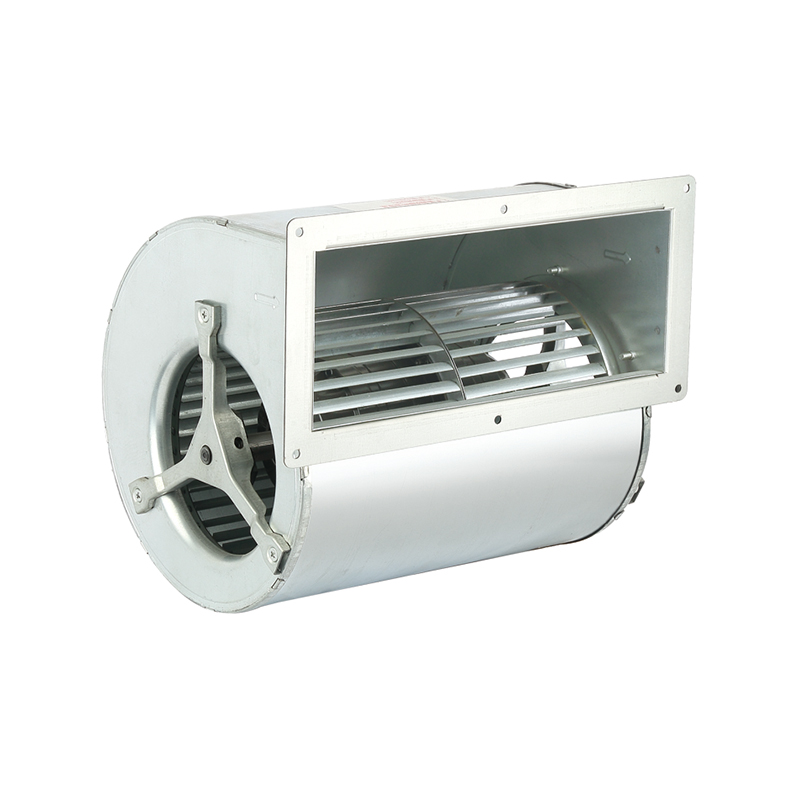
The DKT-133 Cooling Ventilation Double Inlet Air Conditioning Fan is d...
See Details
The DKT-146 Multi-Function Variable Frequency Double Inlet Air Conditi...
See Details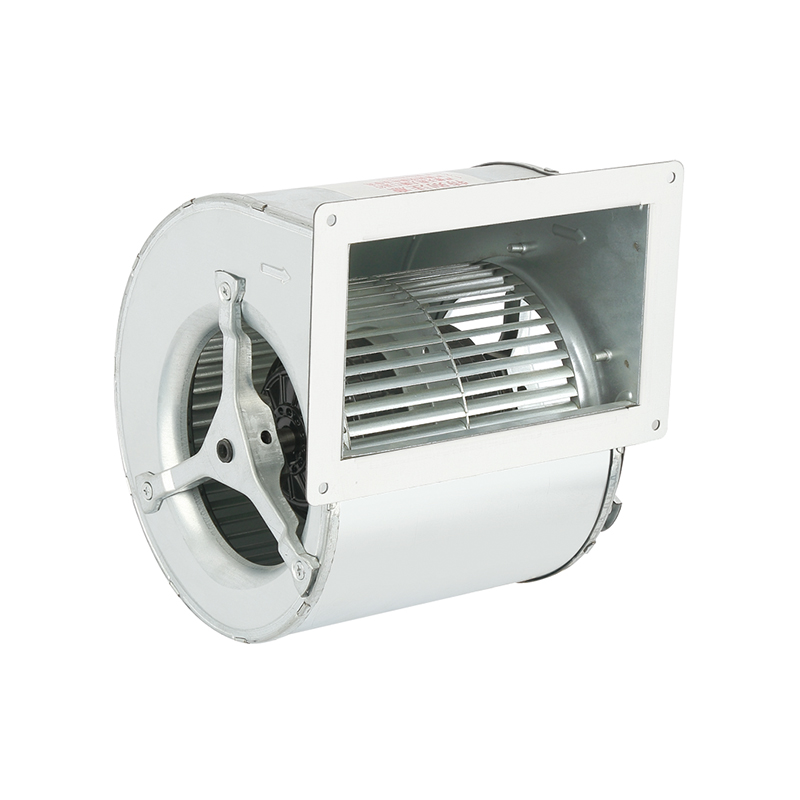
The DKT-160 Heat Dissipation Exhaust Double Inlet Air Conditioning Fan...
See Details
The DKT-180 Tilt Back Cool Down Double Inlet Air Conditioning Fan, a s...
See Details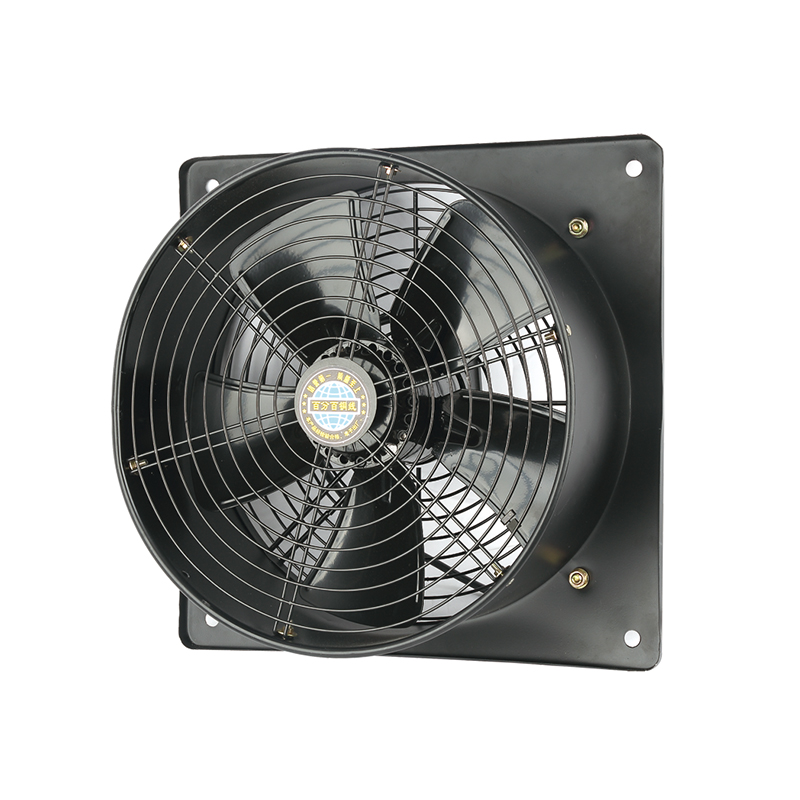
The YWF-400-2D2E Efficient Square form Axial fan is designed with a fo...
See Details
The YWF-350-2D2E Low noise Square form Axial Fan is designed with a co...
See Details
The YWF-350-4D4E Low vibration Square form Axial Fan is a outstanding ...
See Details
The YWF-400-4D4E Durable Square form Axial Fan is designed with advanc...
See Details
Qinlang focuses on providing high-quality products and considerate services, and is committed to meeting every expectation of our customers.
© Zhejiang Qinlang Electromechanical Co., Ltd.
Fans And Air-Cooling Equipment Factory
