 English
 русский
 عربى
عربى Español
Qinlang focuses on providing high-quality products and considerate services, and is committed to meeting every expectation of our customers.
The DKT-133 Cooling Ventilation Double Inlet Air Conditioning Fan is d...
See Details
Air inside a workshop or equipment room rarely moves the way people assume it does. Heat from machinery tends to linger in one spot, while corners, tight passages, and the dead space behind equipment stay almost undisturbed. Natural ventilation alone often can't reach every corner of a working floor.
A High Speed Axial Fan gives that air somewhere to go — pushing it in a set direction, breaking up pockets of stillness, and carrying warmer air away from equipment or the areas where people actually work.
Strong airflow right next to the fan doesn't say much about what's happening across the rest of the room. Direction is what actually counts. A wall, a storage rack, a piece of machinery, or even a partition can cut that airflow short, leaving a quiet pocket sitting right behind it.
Getting circulation to work in practice usually comes down to a handful of things:
Air needs open space to actually travel through. Any stagnant pockets should sit somewhere inside the airflow's path. Warm air needs a route out, not just a nudge. Openings give displaced air somewhere to exit instead of just recirculating.
Before deciding where a fan goes, it helps to walk the room and notice where the air genuinely feels still — that tells you more than eyeballing the layout from across the room. Space behind large equipment tends to be the usual blind spot, since normal airflow often slides around it rather than through it.
Airflow doesn't hold its strength as it travels. Right next to the fan, movement feels noticeable; further out, that same air loses momentum, and any obstacle along the way only makes the drop‑off more obvious.
Point a fan straight at a nearby wall, and it'll stir up air in that one pocket without doing much for the rest of the room. Redirecting it toward an open path instead lets the airflow travel farther before it runs into resistance.
Storage areas make this easy to see. A fan aimed at the front of a rack pushes air through the open aisle just fine, but the narrow gaps behind stored items stay largely undisturbed. Angling that same fan toward the aisle itself often stretches the circulation path much further.
Ceiling height plays into this too. Warm air rises and collects overhead, while people and equipment stay down near the floor where it matters. Fan placement should follow where the heat and stagnant air actually sit — not just where there happens to be open wall space.
A few practical questions tend to cover the essentials:
Where is warm air actually collecting? Which spots feel noticeably still? Where can air move without hitting something? Where does displaced air actually go once it leaves?
Working through these keeps fan placement grounded in the real layout of the room, rather than treating airflow as some uniform stream that behaves the same everywhere.
Blade rotation drives air along the fan's primary direction, though blade shape and speed only tell part of the story — nearby walls and equipment reshape that airflow the moment it leaves the housing.
For axial fans specifically, a fairly direct airflow path works well when air needs to travel across an open working area. Narrow passages tend to keep that airflow concentrated, while a more open room lets it spread out and lose some intensity along the way.
Stable rotation matters more than it might seem. Excess vibration throws off consistent airflow, and crowding the inlet or outlet with obstructions forces the fan to work against unnecessary resistance just to move the same volume of air.
| Airflow Component | Main Role |
|---|---|
| Blades | Push air forward |
| Housing | Guides the airflow path |
| Inlet | Lets air enter the fan |
| Outlet | Gives air room to exit and move |
| Room layout | Shapes where that airflow ultimately ends up |
Fan design and room layout end up working together whether anyone plans for it or not. Shift the fan's position even slightly, and circulation patterns can change noticeably — without touching a single thing about the equipment itself.
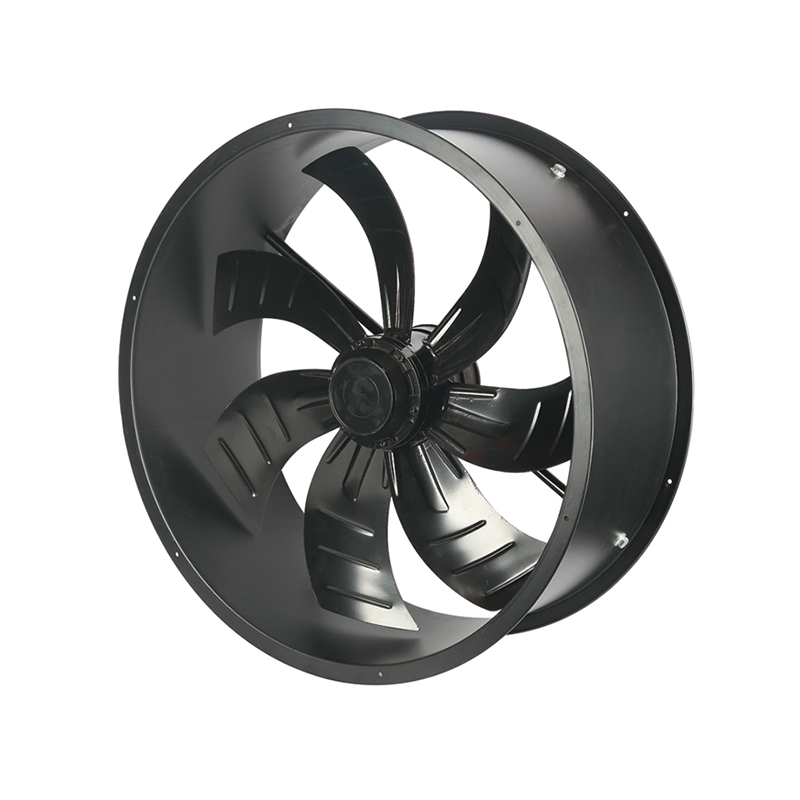
Machines running for extended stretches heat up the air immediately around them, and without enough movement, that warm air just sits there — especially in corners or tucked‑away sections of a workshop where nothing naturally stirs it.
Directed airflow gives that warm air somewhere to go, sweeping it toward a more open part of the room. Passing a steady stream of air across a hot surface helps swap out the heated layer for cooler surrounding air, but only if there's an actual route leading beyond the equipment — otherwise the air just piles up somewhere else.
Where the fan sits changes everything. Point one at a solid wall, and you'll get plenty of movement right at the outlet while a heat source ten feet away barely notices the difference. Give the airflow a longer, unobstructed path instead, and it actually has a chance to reach where it's needed.
What happens after the warm air leaves the source matters just as much. Pushing hot air from one corner to another doesn't solve anything — it just relocates the problem. A window, an exhaust point, or some other route out of the room gives that displaced air somewhere to actually go.
A reasonable placement approach tends to follow this rough order:
Find where the heat is actually coming from. Notice where warm or still air tends to pool. Pick a direction that runs clearly across that area. Check whether the path beyond the heat source is actually open. Watch how air moves once the fan's running, and adjust position if something's off.
Positioning should follow wherever the airflow route naturally leads — not just wherever there happens to be open wall space. A fan tucked into a corner might struggle to pull in enough air, while nearby equipment can just as easily choke off where that air is trying to go.
In a room with one obvious heat source, aiming the fan across that area toward some kind of opening usually does the trick. In a longer workshop, an aisle or open passage often works as a natural channel for air to travel down.
A few things worth checking before settling on a spot:
Height matters more than people expect. Aim too low, and the airflow slides right under a warm zone higher up. Aim too high, and it barely touches the working surfaces where people actually spend time. Fan height should track wherever the heat and stagnant air genuinely sit, not just whatever seems convenient.
Existing openings often do more of the work than people give them credit for. A door, window, vent, or exhaust point can serve as a natural exit for air a fan is pushing through the room.
Say a fan sits near an inlet and faces an opening on the far side — air comes in one end, travels across the working area, and exits the other. That's a clean, complete path with nothing wasted in between.
Get the alignment wrong, though, and results look pretty different. Air can end up circling near the fan itself without ever reaching the section that actually needs it, simply because there's no clear route through. Sometimes just changing the angle solves this — no new equipment required.
A low‑tech way to check: hang something light — a ribbon, a strip of fabric — in different parts of the room and watch whether it moves. Shifts in temperature, dust settling patterns, or just a noticeable breeze (or lack of one) all offer useful clues about where airflow is actually reaching.
How steadily a fan runs often traces back to how it was built. Blade balance, housing alignment, motor assembly, fastening — all of it feeds into how smoothly the rotating parts behave and how consistent the resulting airflow ends up being.
Manufacturers adjust construction based on where a fan is headed. Housing protection, blade layout, mounting design, and airflow direction can all shift depending on the environment the unit's expected to handle.
Assembly quality keeps rotating parts sitting where they should. Get that alignment wrong, and vibration or odd noise tends to follow, with uneven blade movement throwing off the airflow itself.
Material choice matters more in dusty or damp settings. Housing and protective components need to hold up against whatever conditions surround them, so normal operation doesn't get compromised by the environment it's working in.
A room can look perfectly ventilated on the surface while entire sections stay completely still. Checking multiple spots during actual operation tends to reveal gaps that are nearly invisible standing right next to the fan.
A few telltale signs of uneven circulation:
When these show up, it's worth checking fan position before jumping to conclusions about needing new equipment. Often, a small shift in angle changes where that moving air ends up traveling.
Circulation really works as one continuous path — fan speed gets air moving, blade design points it somewhere, and the room's layout decides where it can actually go from there. Heat sources, obstacles, openings, mounting height — all of it shapes the final outcome.
A well‑thought‑out airflow route gives moving air a real job to do: reaching the stagnant corners, pulling heat away from equipment, and continuing on toward an actual exit rather than just circling back around the same spot it started from.
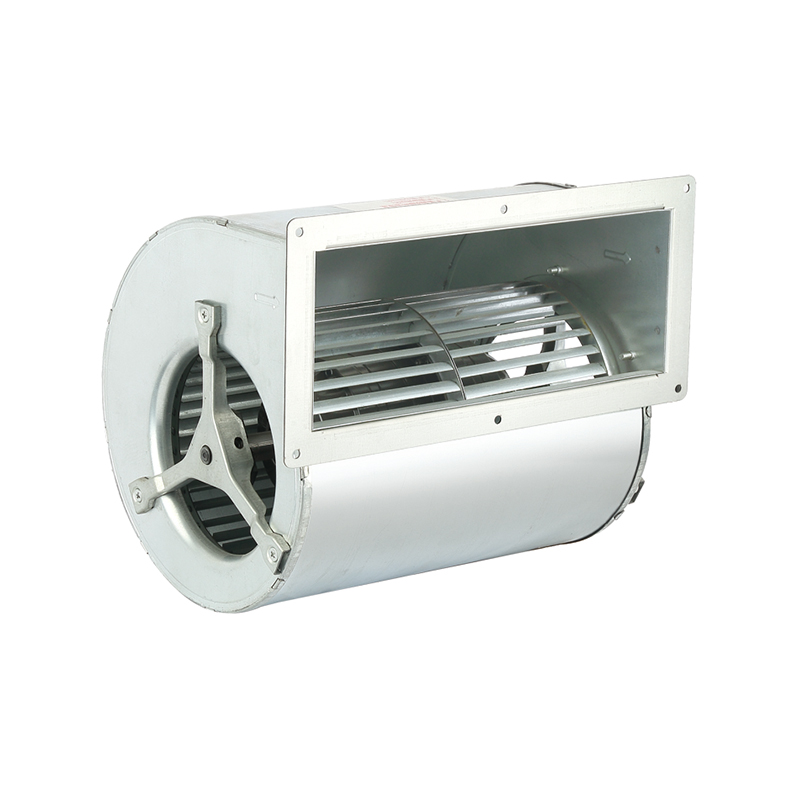
The DKT-133 Cooling Ventilation Double Inlet Air Conditioning Fan is d...
See Details
The DKT-146 Multi-Function Variable Frequency Double Inlet Air Conditi...
See Details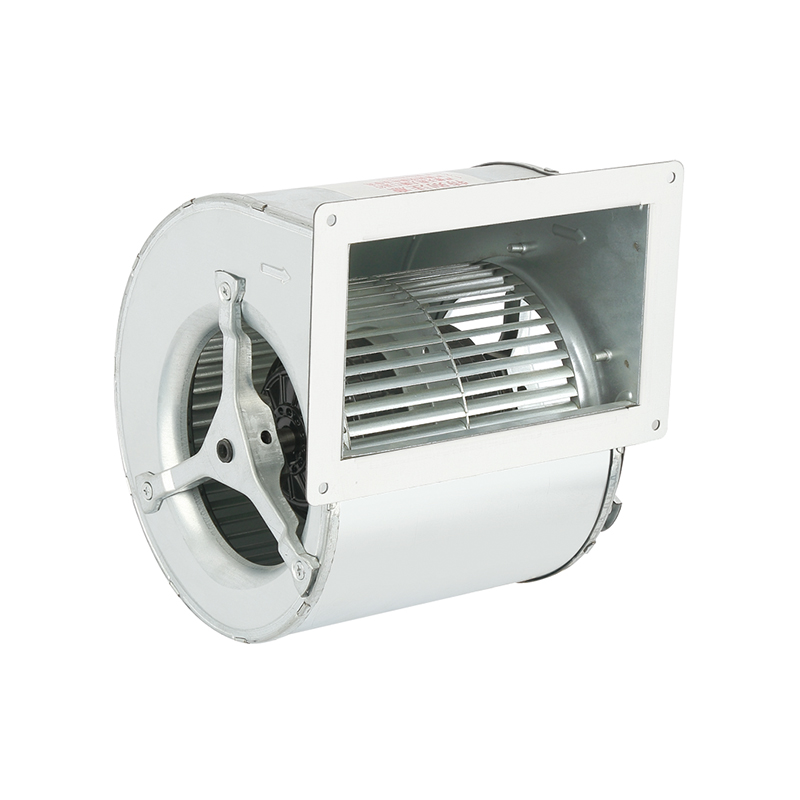
The DKT-160 Heat Dissipation Exhaust Double Inlet Air Conditioning Fan...
See Details
The DKT-180 Tilt Back Cool Down Double Inlet Air Conditioning Fan, a s...
See Details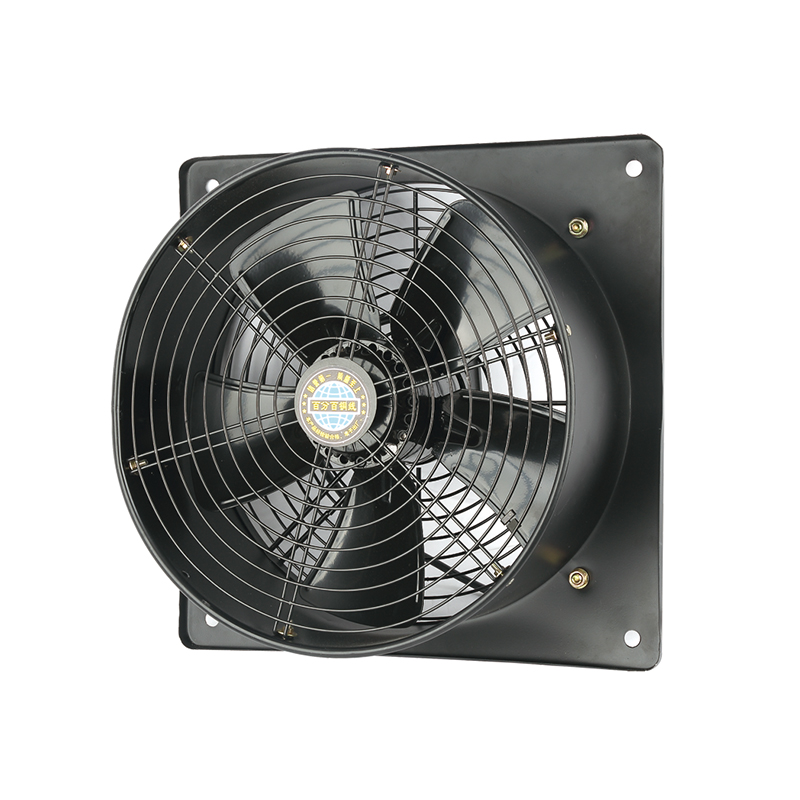
The YWF-400-2D2E Efficient Square form Axial fan is designed with a fo...
See Details
The YWF-350-2D2E Low noise Square form Axial Fan is designed with a co...
See Details
The YWF-350-4D4E Low vibration Square form Axial Fan is a outstanding ...
See Details
The YWF-400-4D4E Durable Square form Axial Fan is designed with advanc...
See Details
Qinlang focuses on providing high-quality products and considerate services, and is committed to meeting every expectation of our customers.
© Zhejiang Qinlang Electromechanical Co., Ltd.
Fans And Air-Cooling Equipment Factory
