 English
 русский
 عربى
عربى Español
Qinlang focuses on providing high-quality products and considerate services, and is committed to meeting every expectation of our customers.
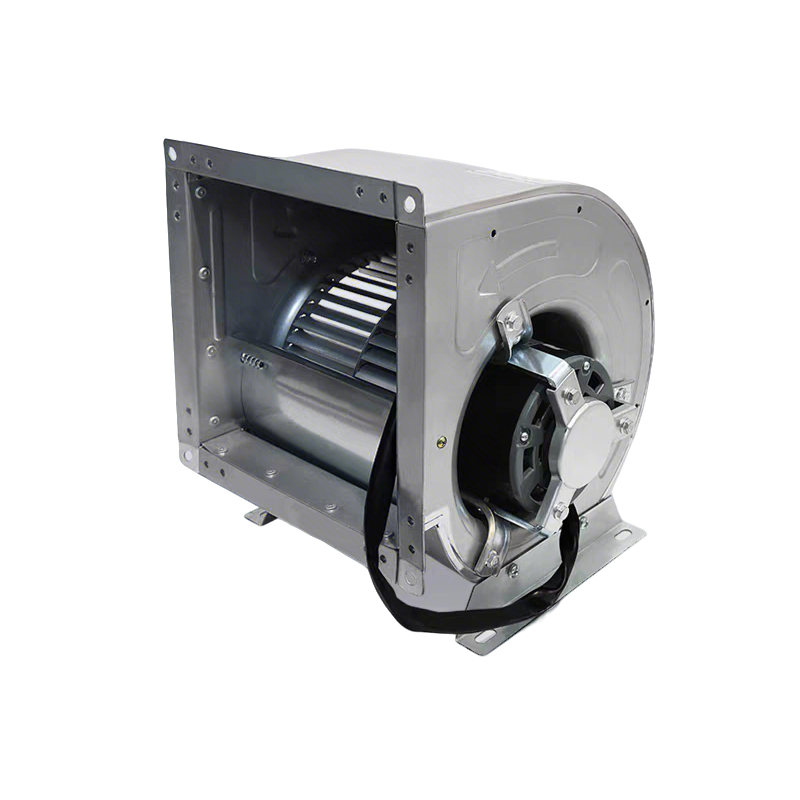
The DKT-133 Cooling Ventilation Double Inlet Air Conditioning Fan is d...
See Details
Ventilation fans often work for long hours, so sound becomes part of daily use rather than a small side issue. In an office, a workshop, an equipment room, or a shared commercial space, a fan that moves air well can still become a problem when its sound is too noticeable.
Noise usually comes from several places at once. Air moving past the blades can create sound, the motor can add vibration, and a poor mounting position can send that vibration into the surrounding structure. Once those parts work against each other, the sound becomes easier to notice.
A Low Noise Axial Fan is used when airflow still needs to stay active, while sound needs to remain lower and less distracting. Quiet operation depends on how the fan is built, how air moves through it, and how it is installed in the space.
In daily use, people usually notice noise in a few simple ways:
A ventilation system works better when airflow and sound stay in balance. Strong airflow alone does not solve every problem. The fan needs to fit the room, the work setting, and the level of sound the area can handle.
Air moves through an axial fan along the same direction as the shaft, so the blades and the airflow path have a direct relationship. When that movement stays smooth, less extra sound tends to appear. When airflow meets resistance or moves unevenly, the sound can become more obvious.
Blade shape plays an important role. A blade that moves air in a steady way can help reduce sudden changes in airflow. Those sudden changes often create the kind of noise people hear as rough or irregular.
Motor condition matters as well. A motor that runs smoothly creates less vibration, while uneven movement can travel through the body of the fan and into the surrounding structure. Once vibration spreads, sound often becomes more noticeable in the room.
Housing design also affects the result. A fan body that supports steady movement and proper airflow can help keep sound from becoming louder than needed.
Several parts work together during quieter operation:
Quiet performance does not come from one part alone. The full structure needs to work in a stable way.
Fan noise changes according to how the equipment is used. A fan in one room may sound different from the same model in another room because the surroundings are not the same.
Blade condition is one point to watch. If blades are not balanced or if their shape does not match the airflow path well, sound may increase during operation. Smooth blade movement usually helps the fan run in a calmer way.
Motor operation also affects noise. Vibration from the motor can travel into the fan frame and the surrounding support points. When that happens, the fan may sound louder even if airflow itself has not changed very much.
Installation matters more than many people expect. A fan fixed in a loose or awkward position may transfer sound into walls, frames, or nearby structures. A firm and proper installation often helps reduce that kind of extra noise.
The surrounding area can also change how the sound feels.
| Noise Factor | Possible Influence |
|---|---|
| Blade condition | Changes airflow sound |
| Motor operation | Affects vibration level |
| Installation method | Influences sound transfer |
| Surrounding environment | Changes how sound spreads |
A fan used near hard walls or closed spaces may sound more noticeable than one installed in a more open area. Airflow path, installation point, and nearby structure all shape the final experience.
Air does not move quietly when the path is blocked or poorly planned. If airflow meets resistance, the fan may need to work harder, and that can create more sound during operation.
A ventilation system should give air a clear way to enter and leave the space. When the path is direct, the fan can move air in a steadier way. Smooth movement often helps keep sound lower than a system with narrow passages or blocked corners.
Different spaces create different airflow needs.
A Low Noise Axial Fan fits well when airflow planning already makes sense for the room. Fan choice and room layout need to work together. A fan that is too strong for the space or placed in the wrong spot may create more sound than expected.
Quiet operation is often linked with better airflow planning, not only with the fan itself. When air moves in a calm path, the fan usually sounds more settled during use.
Fan noise is usually shaped long before the equipment reaches a ventilation system. Small changes during production can show up later as vibration, rough airflow sound, or uneven operating behavior.
An Axial Fan Factory has to keep track of several parts at the same time. Materials, component matching, assembly work, and inspection all affect how the finished fan sounds during use. A change in one step may not be obvious at once, though it can appear later once the fan starts running for longer periods.
Material choice matters because different working places bring different conditions. A fan used in a dry indoor area faces other demands compared with one placed in a dusty room or near moisture. Materials need to suit those conditions so the equipment can keep a steady condition during use.
Component matching is another point that affects sound. Blades, motor, and support parts need to work together without forcing extra movement into the structure. When parts do not sit well together, vibration may become louder than expected.
During production, manufacturers often check:
Assembly needs careful attention because small shifts in alignment can change the way the fan moves air. A unit that looks correct from the outside may still need checking to make sure the internal parts run smoothly.
Inspection after assembly gives manufacturers a clearer view of the finished product. Airflow behavior, sound level, and vibration condition can all reveal whether the unit is ready for use.
For buyers, communication with an Axial Fan Factory is also useful. Different projects may need different fan arrangements, so clear information about room layout and operating needs can help the factory match the product more closely to the real application.
Quiet ventilation is needed in many places because some spaces cannot handle much operating sound. A fan may move air well, though its sound still needs to fit the people using the space.
Offices often need steady air movement without pulling attention away from work. In spaces where people stay for long periods, even a low background sound can become noticeable.
Ventilation in these areas usually depends on calm airflow and careful placement. Where the fan sits, how air leaves the unit, and what surrounds it all affect the sound people hear.
Equipment rooms often hold machines that run for long periods. Air movement helps keep conditions more manageable, while sound control matters because enclosed rooms can make noise feel stronger.
A quieter fan can support airflow without adding extra disturbance around the equipment area. In many cases, installation position becomes just as important as the fan itself.
Workshops bring another set of conditions. Machines, workers, and changing layouts all influence the air path.
Ventilation equipment in those spaces needs to move air through working zones without creating unnecessary sound. Fan placement, room shape, and surrounding objects all affect how the noise spreads.
Some residential and public spaces need ventilation without disturbing rest or daily activity. In those places, sound can matter as much as airflow.
A fan used in that kind of setting often needs to match both the room layout and the sound level the space can accept. The balance between airflow and comfort becomes important during selection.
Installation can change how a fan sounds after it starts running. A fan fixed in a poor position may transfer vibration into nearby structures, which can make the operating sound more noticeable.
A stable mounting point usually helps the fan run in a calmer way. Enough space around the inlet and outlet also matters because blocked airflow may create extra resistance and change the way the fan sounds.
Several installation points are worth checking:
A fan placed too close to walls or other obstacles may not move air as smoothly as expected. Sound can also become stronger when airflow is interrupted by nearby objects.
Regular inspection helps keep those issues under control. Loose mounting, dust buildup, or changes in the surrounding space may affect the fan over time.
Maintenance is easier when the installation leaves enough room for cleaning and checking. A practical setup supports daily use and later servicing without creating extra trouble.
Choosing ventilation equipment usually starts with the actual space, not the product name. Different rooms need different airflow patterns, so buyers often look at how the fan will be used day to day.
Points worth checking include:
A workshop may need stronger circulation around equipment. An office may need air movement that stays comfortable through long working hours. Equipment rooms may need another arrangement because nearby machines affect the air condition.
An Axial Fan Factory needs clear details about the project before suggesting a product arrangement. Room layout, installation space, and operating conditions all help guide that discussion.
Quiet operation comes from several connected choices. Fan structure, airflow planning, production control, and installation method all play a part in how the equipment sounds during use.
When the fan matches the space around it, airflow becomes easier to manage and unnecessary noise stays lower in daily operation.
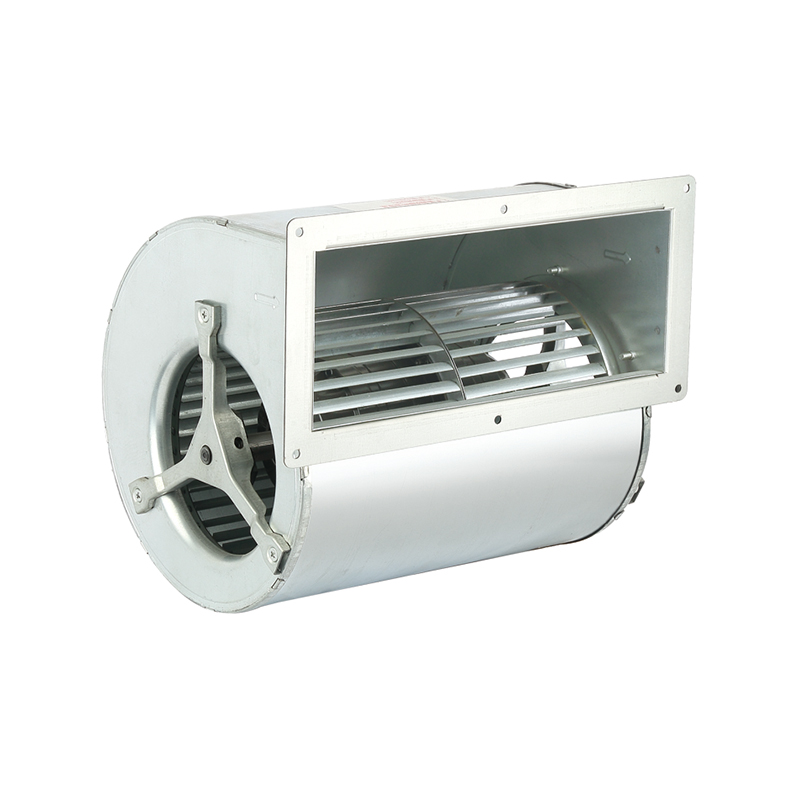
The DKT-133 Cooling Ventilation Double Inlet Air Conditioning Fan is d...
See Details
The DKT-146 Multi-Function Variable Frequency Double Inlet Air Conditi...
See Details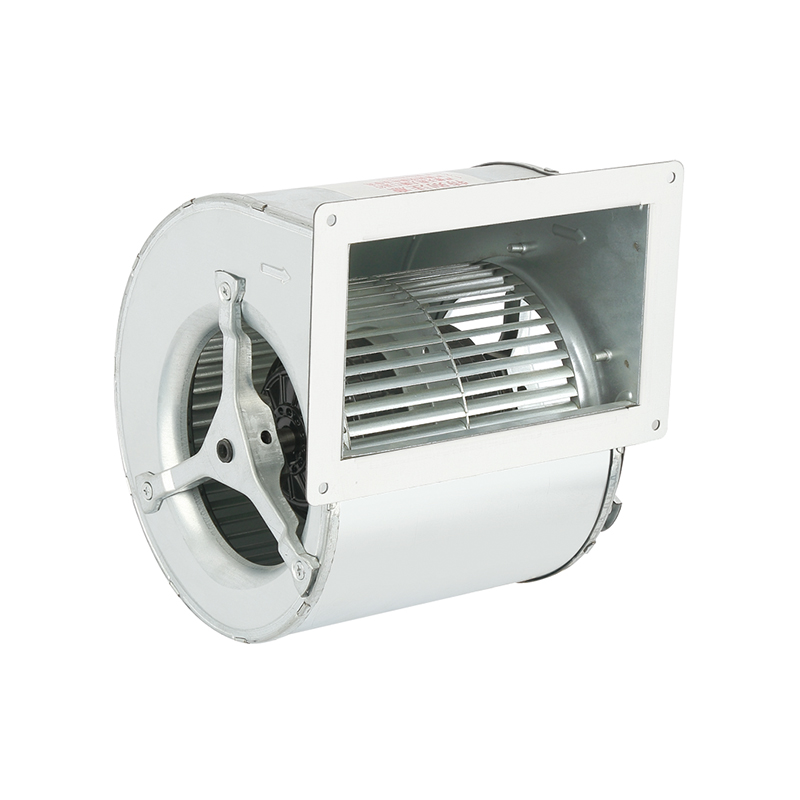
The DKT-160 Heat Dissipation Exhaust Double Inlet Air Conditioning Fan...
See Details
The DKT-180 Tilt Back Cool Down Double Inlet Air Conditioning Fan, a s...
See Details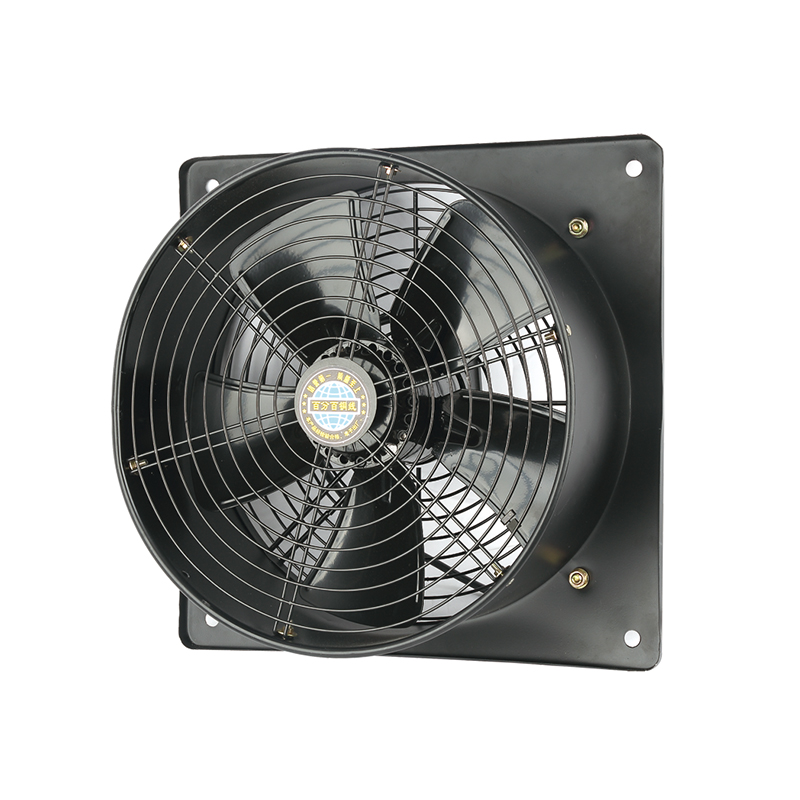
The YWF-400-2D2E Efficient Square form Axial fan is designed with a fo...
See Details
The YWF-350-2D2E Low noise Square form Axial Fan is designed with a co...
See Details
The YWF-350-4D4E Low vibration Square form Axial Fan is a outstanding ...
See Details
The YWF-400-4D4E Durable Square form Axial Fan is designed with advanc...
See Details
Qinlang focuses on providing high-quality products and considerate services, and is committed to meeting every expectation of our customers.
© Zhejiang Qinlang Electromechanical Co., Ltd.
Fans And Air-Cooling Equipment Factory
