 English
 русский
 عربى
عربى Español
Qinlang focuses on providing high-quality products and considerate services, and is committed to meeting every expectation of our customers.
The DKT-133 Cooling Ventilation Double Inlet Air Conditioning Fan is d...
See Details
Ventilation is one of those things that usually goes unnoticed until air begins to feel heavy, warm, or still. In workshops, warehouses, equipment rooms, and other working spaces, air movement affects comfort, machine operation, and daily working conditions. When airflow does not move well, heat and stale air can stay in the same place for too long.
A ventilation system works best when every part matches the space around it. Room layout, air path, and installation position all shape the final result. A fan placed in the wrong spot may still run, although the air may not travel where it is needed. That is why fan choice is tied so closely to the actual room condition.
A High Speed Axial Fan is often used in systems that need direct air movement through a space. Its structure supports air travel along a straight path, which makes it useful in places where circulation needs to stay steady rather than slow or complicated.
Different spaces create different airflow needs.
When selecting ventilation equipment, several practical points usually come first:
A fan does not work alone. It fits into the full ventilation plan, so the real question is not only whether it runs, but whether it fits the space it serves.
Air movement in a ventilation system starts with rotation. As the blades turn, air is pushed in the same direction as the shaft, creating a direct flow path through the fan body. That simple movement is part of why axial fans are used in many air circulation setups.
Blade shape affects how air passes through the unit. Motor speed influences how strongly the air moves. Installation position changes where the airflow goes once it leaves the fan. Each part has a role, and the final result depends on how those parts work together.
In actual use, airflow direction matters a great deal. Some spaces need air brought in, some need air sent out, and some need both to keep the room balanced.
A High Speed Axial Fan is usually one part of a larger arrangement rather than a complete answer on its own. Its usefulness depends on whether the full ventilation path is planned in a way that makes sense for the space.
A few things often shape performance:
A workshop with running machines may need air removed from certain areas to prevent heat build-up. A storage area may need air to move across the room in a steady way. Equipment rooms often need regular airflow around internal machinery so the environment stays manageable.
Air does not move well in a space without a plan. Walls, equipment, shelving, and narrow corners can all affect how air travels. Even a strong fan may not help much when the airflow path is blocked or poorly directed.
Good ventilation design usually considers where air comes in, where it leaves, and how it passes through the room in between. Once that path is clear, the system can do its job more evenly.
Common places where airflow direction matters include:
A workshop often contains heat from machines and workers. Airflow needs to move through those areas without leaving pockets of still air. In a warehouse, goods placement may block circulation in certain corners, so airflow needs to be planned around the layout. Equipment rooms may need a different setup again because the machines inside can change the air condition during operation.
| Application Area | Ventilation Need |
|---|---|
| Industrial workshop | Move warm air away from working areas |
| Storage room | Reduce stale air buildup |
| Equipment room | Support circulation around running machines |
| Commercial space | Keep air movement steady and comfortable |
When airflow direction matches the space, the whole ventilation system usually becomes easier to manage. Fan selection and room layout need to work together rather than separately.
Choosing a fan for ventilation is often about matching the equipment with the real working condition. A unit that fits one room may not feel suitable in another because the environment, mounting space, and daily use are different.
Working conditions matter a lot. Dust, moisture, temperature changes, and open-air exposure can influence what kind of fan structure is needed. A clean indoor room and a dusty production area rarely need the same setup.
Airflow need also changes from place to place. Some rooms need stronger circulation, while others only need a steady exchange of air. That difference affects the size and placement of the fan.
Installation space is another point people often notice too late. A fan may be chosen for its airflow ability, though it still has to fit into the real mounting area and allow room for inspection.
A High Speed Axial Fan should be selected with the full application in mind:
A clear match between fan and space usually makes later operation more practical. The goal is not only moving air, but moving it in a way that suits the room it serves.
Fan production may look straightforward from outside, although the actual process involves many details that affect how the equipment runs later. A small difference in one part can change noise, airflow, or vibration once the fan is installed into a system.
An Axial Flow Fan Manufacturer usually needs to keep an eye on more than one stage. Material condition, component processing, assembly work, and final inspection all shape the finished product. When one of those steps drifts, the result may show up during operation rather than at the production table.
Material choice is one of the earlier points. Different working places ask for different levels of resistance to dust, moisture, heat, or regular wear. A factory fan used in a dusty area does not face the same conditions as a unit installed in a cleaner room.
During production, manufacturers often check:
Assembly deserves close attention because blades, motor, and support parts need to work together without forcing each other out of position. A poor fit can create vibration or noise, and both can affect long-term use.
Inspection before delivery helps catch problems early. A finished fan may still need a final check for sound, movement, and airflow behavior before it leaves the factory. That step does not guarantee perfection, although it does help keep product differences under better control.
Ventilation needs are not the same in every space. A workshop, warehouse, equipment room, and commercial area all create different airflow conditions, so one fan type may be used in several industries for different reasons.
Workshops often have running machines, workers moving around, and heat building up during daily use. Air needs to move through the space without getting trapped near equipment or corners.
A fan used in that setting usually supports general air circulation and helps keep working areas from feeling still. Placement matters as much as fan choice because blocked airflow reduces the effect.
Storage areas can have large open spaces, though shelves and goods may interrupt the airflow path. In many warehouses, air becomes uneven in areas away from doors or windows.
A fan can help move air across the room and reduce stagnant zones. The layout of stored goods often affects where air needs to go, so fan position usually depends on the room arrangement.
Machines in equipment rooms may run for long periods and gradually change the air condition inside the room. Heat build-up can become noticeable when airflow is not managed well.
In that kind of space, the fan is part of a larger ventilation setup that keeps air moving around equipment. Access for cleaning and inspection also matters because maintenance needs to stay manageable.
Commercial areas may need steady air movement for different reasons, depending on how people use the space. Service areas, work zones, and customer spaces often have different airflow needs inside the same building.
A High Speed Axial Fan can fit those situations when the layout calls for direct air movement. Its role depends on the room design, the direction of airflow, and the level of circulation the space needs.
A ventilation fan can keep running for a long time, although small changes often appear slowly during use. Dust, vibration, and environmental conditions may influence how the unit performs over time.
Cleaning is one of the simplest parts of maintenance. Dust on the blades or around the housing can change airflow and make operation less smooth. In dusty work areas, that kind of buildup may happen more quickly than expected.
Operators may also notice changes in sound or vibration. A slight shift can point to loose parts, movement at the mounting area, or something touching the fan where it should not.
Routine maintenance often includes:
Maintenance is usually easier when it becomes part of regular work rather than a separate task done after problems appear. Short checks during scheduled inspections can help identify issues while they are still small.
For facilities that rely on steady airflow, keeping the fan in normal condition is often more practical than waiting for a fault to become obvious.
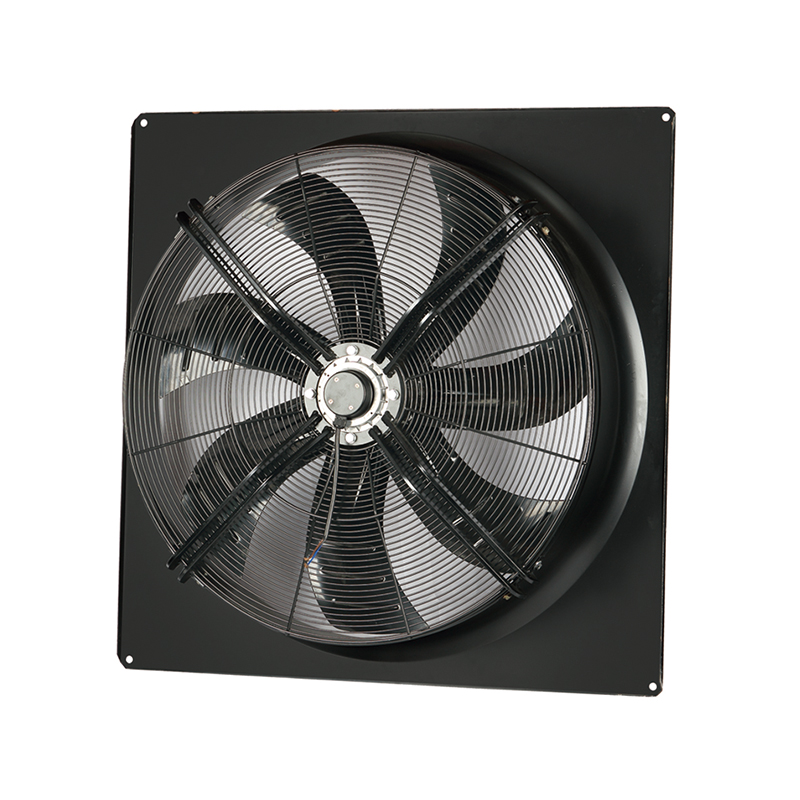
Fan design affects how well the equipment fits the work environment. Blade shape, material choice, motor match, and installation method all influence performance after the fan goes into service.
Blade structure changes how air moves through the fan. Some designs support a stronger direct path, while others focus more on fitting certain airflow conditions. The right choice depends on the room and how air needs to travel.
Motor matching is another point that matters. A motor that works well with one fan arrangement may not suit another layout in the same way. Good matching helps keep operation steady during repeated use.
Noise level is also part of long-term use. In some spaces, sound is not a major issue. In others, the surrounding area makes quieter operation more important. Fan design needs to reflect that difference.
| Design Aspect | Practical Influence |
|---|---|
| Blade structure | Shapes airflow movement |
| Motor match | Affects steady operation |
| Material choice | Relates to environment use |
| Installation method | Affects cleaning and inspection |
A fan is usually selected by how it works inside a system, not by appearance alone. When the design fits the environment, later use tends to feel more manageable.
Choosing a supplier often starts with understanding the real project needs. A warehouse, factory, or equipment room may each require a different ventilation plan, so supplier communication becomes part of the process.
Buyers often need to know whether the supplier understands the working environment, the installation space, and the maintenance needs. Clear communication makes it easier to match equipment with the space where it will run.
An Axial Flow Fan Manufacturer may also need to handle different application requirements, since air movement needs can change from one project to another. Information about room layout, airflow path, and operating conditions helps guide that discussion.
Useful points to check include:
A ventilation system works better when equipment and environment match each other. In that setting, fan selection becomes part of daily operation planning rather than a one-time choice.
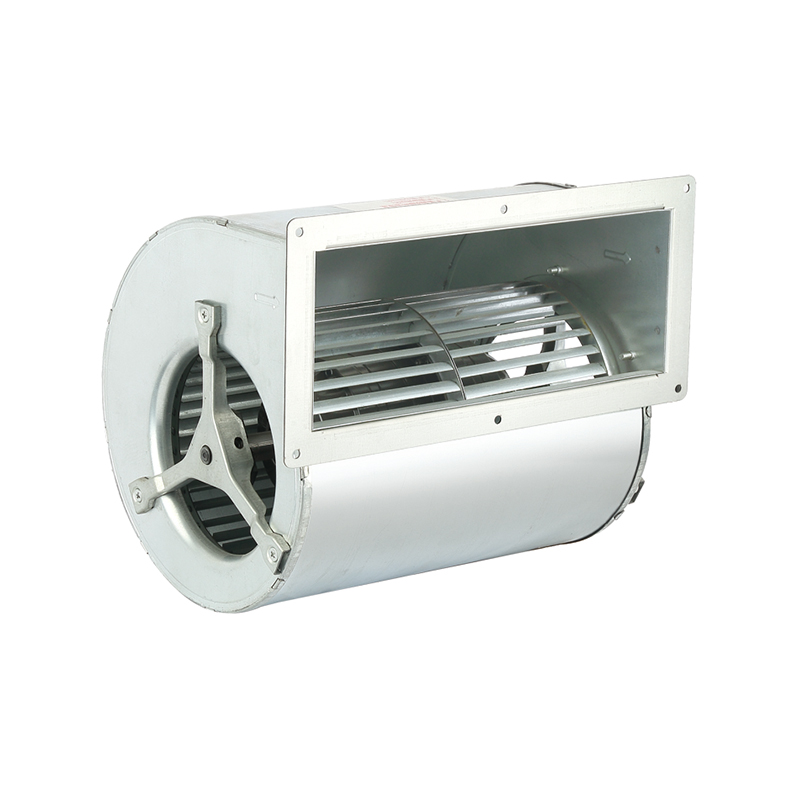
The DKT-133 Cooling Ventilation Double Inlet Air Conditioning Fan is d...
See Details
The DKT-146 Multi-Function Variable Frequency Double Inlet Air Conditi...
See Details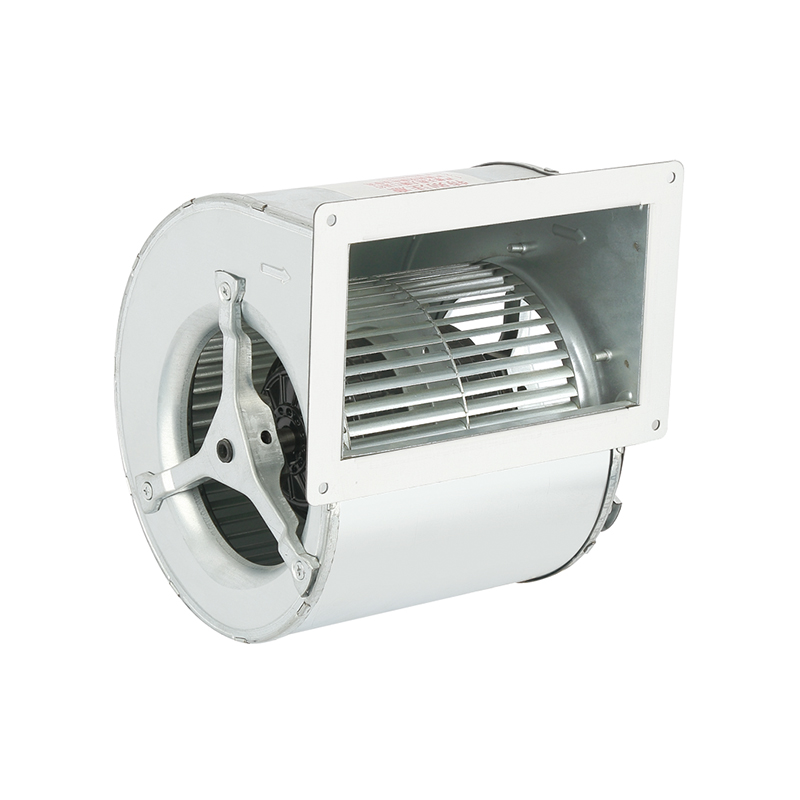
The DKT-160 Heat Dissipation Exhaust Double Inlet Air Conditioning Fan...
See Details
The DKT-180 Tilt Back Cool Down Double Inlet Air Conditioning Fan, a s...
See Details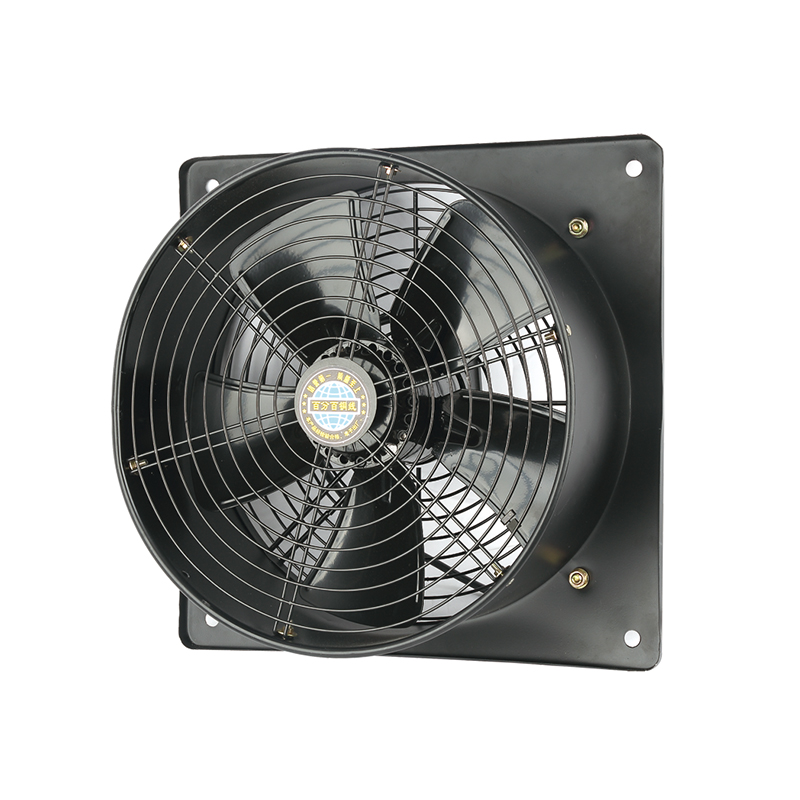
The YWF-400-2D2E Efficient Square form Axial fan is designed with a fo...
See Details
The YWF-350-2D2E Low noise Square form Axial Fan is designed with a co...
See Details
The YWF-350-4D4E Low vibration Square form Axial Fan is a outstanding ...
See Details
The YWF-400-4D4E Durable Square form Axial Fan is designed with advanc...
See Details
Qinlang focuses on providing high-quality products and considerate services, and is committed to meeting every expectation of our customers.
© Zhejiang Qinlang Electromechanical Co., Ltd.
Fans And Air-Cooling Equipment Factory
