 English
 русский
 عربى
عربى Español
Qinlang focuses on providing high-quality products and considerate services, and is committed to meeting every expectation of our customers.
The DKT-133 Cooling Ventilation Double Inlet Air Conditioning Fan is d...
See Details
Fresh air inside a building probably isn't only about exchanging indoor and outdoor air. Daily work, equipment operation, and the movement of people all tend to change the indoor environment throughout the day. Air that remains still for long periods may create a space that feels less comfortable, even when temperature stays nearly the same.
Ventilation equipment tends to help air continue moving through the building instead of remaining trapped in one area. A steady flow often tends to suit indoor environments better than rapid or uneven circulation, since people and equipment usually remain in the same place for fairly long periods.
A Low Noise Axial Fan is often considered for indoor use because airflow tends to be only one part of the overall environment. Sound produced during operation also tends to become noticeable when equipment runs continuously in enclosed spaces.
Different indoor situations tend to place different demands on ventilation:
Each location tends to have its own airflow pattern. A storage room may mainly require fairly continuous circulation, while a workshop may need fresh air to move through different sections during working hours.
Building layout also tends to affect ventilation planning. Long corridors, divided rooms, and structural columns all tend to influence how air travels after leaving the fan. Because of that, equipment selection usually tends to begin with understanding the indoor environment rather than choosing airflow alone.
Another practical point involves operating time. Indoor ventilation systems often tend to remain active for extended periods. Stable operation can therefore become just as important as airflow direction when planning equipment.
Sound tends to become easier to notice inside enclosed buildings than in open outdoor spaces. Even moderate operating noise may gradually attract attention when equipment continues running throughout the working day.
Different buildings tend to create different sound conditions. Offices often stay relatively quiet, while workshops already tend to contain background noise from other equipment. Ventilation equipment therefore tends to become part of the overall indoor sound environment rather than operating independently.
A few factors tend to influence how people experience fan noise:
Air movement itself probably isn't always the only source of sound. Rotating components, airflow passing through the housing, and vibration transferred into nearby structures may all contribute to the overall operating condition.
Equipment placed near workstations may receive different attention from equipment installed inside service areas. For that reason, ventilation planning often tends to include both airflow requirements and surrounding working conditions.
People working indoors generally tend to adapt more comfortably when ventilation stays fairly steady instead of drawing attention during ordinary activities. A quieter operating environment may also make conversations, inspections, and routine tasks a bit easier, without changing how air continues moving through the building.
Indoor ventilation therefore tends to become a balance between practical airflow and the surrounding environment where people spend their time.
Operating sound probably doesn't come from any one single component. Several parts of the fan tend to work together while air passes through the equipment.
Blade shape tends to be one important factor. As blades rotate, they guide moving air through the housing. Smooth airflow generally tends to create fewer sudden disturbances than airflow that changes direction repeatedly inside the fan.
Housing design also tends to affect airflow. A housing that guides air through a clear path tends to help reduce unnecessary turbulence before the air leaves the equipment. Small structural adjustments may influence how smoothly air travels through the fan.
Rotor balance deserves some attention as well. Rotating parts that stay evenly balanced during operation usually tend to create fewer unnecessary vibrations. Stable movement can influence both operating sound and long-term mechanical condition.
Motor arrangement tends to contribute to overall operation too. Instead of looking only at power, designers also tend to consider how the motor connects with rotating parts and surrounding support structures. Small differences in assembly may influence operating behavior after installation.
| Design Area | Practical Purpose | Influence During Operation |
|---|---|---|
| Blade profile | Guides airflow | Smoother air movement |
| Housing structure | Supports airflow path | Reduced turbulence |
| Rotor balance | Maintains stable rotation | Lower vibration |
| Motor arrangement | Supports mechanical operation | Steady running |
| Assembly accuracy | Improves component alignment | Consistent performance |
Individual parts probably rarely determine operating behavior by themselves. Airflow, rotation, housing structure, and installation all tend to interact during normal use, which tends to make overall design more important than any one isolated feature.
Even fairly suitable equipment may perform somewhat differently after installation, since surrounding building conditions tend to influence airflow.
Wall installation is often used where fresh air enters or leaves the building fairly directly. Ceiling installation may support circulation across a wider indoor area, depending on room layout.
Air outlet direction also tends to change ventilation. Air moving toward open space tends to behave differently from air directed toward nearby walls or equipment. Planning airflow before installation tends to help reduce unnecessary circulation loss.
Available installation space should also get some consideration. Equipment positioned inside narrow areas may experience different airflow conditions from equipment installed where surrounding space stays more open. Nearby objects may influence how air continues moving after leaving the fan.
Connection with ventilation ducts introduces another consideration. Air passing through duct systems tends to change direction before reaching the room. Layout planning therefore tends to include both equipment position and duct arrangement rather than viewing them separately.
Indoor ventilation usually tends to work a bit better when equipment placement follows the building's existing layout rather than forcing the building to adapt later on.
Indoor ventilation needs tend to vary quite a bit from one building to another. A room used for storage tends to have different air circulation requirements from an office or a production area. Because of that, equipment selection usually tends to begin with understanding how the space gets used every day.
A Low Noise Axial Fan is often installed in places where ventilation runs for long periods and where people remain nearby during normal activities.
Warehouses provide one example. Air circulation tends to help reduce stagnant air between shelving areas, while continuous operation tends to support a more even indoor environment without requiring overly complicated airflow arrangements.
Workshops create another situation. Machines, materials, and workers tend to share the same space, so ventilation often becomes part of ordinary production rather than a separate process. Equipment may run through an entire shift, which tends to make steady operation an important consideration.
Office environments tend to place attention on a somewhat different point. Air movement should generally stay comfortable without becoming much of a distraction during conversations, meetings, or desk work. Sound produced by ventilation equipment naturally tends to become more noticeable in quieter surroundings.
Commercial interiors also tend to rely on regular air circulation. Shops, exhibition areas, and service spaces often receive changing numbers of visitors throughout the day. Ventilation tends to support air movement as indoor conditions continue to shift.
Equipment rooms present another application. Electrical cabinets, control systems, and supporting devices may generate heat during operation. Ventilation tends to help move air through those spaces while letting technicians carry out routine inspection a bit more comfortably.
Although every location tends to differ somewhat, equipment is generally selected according to practical working conditions rather than any one universal arrangement.
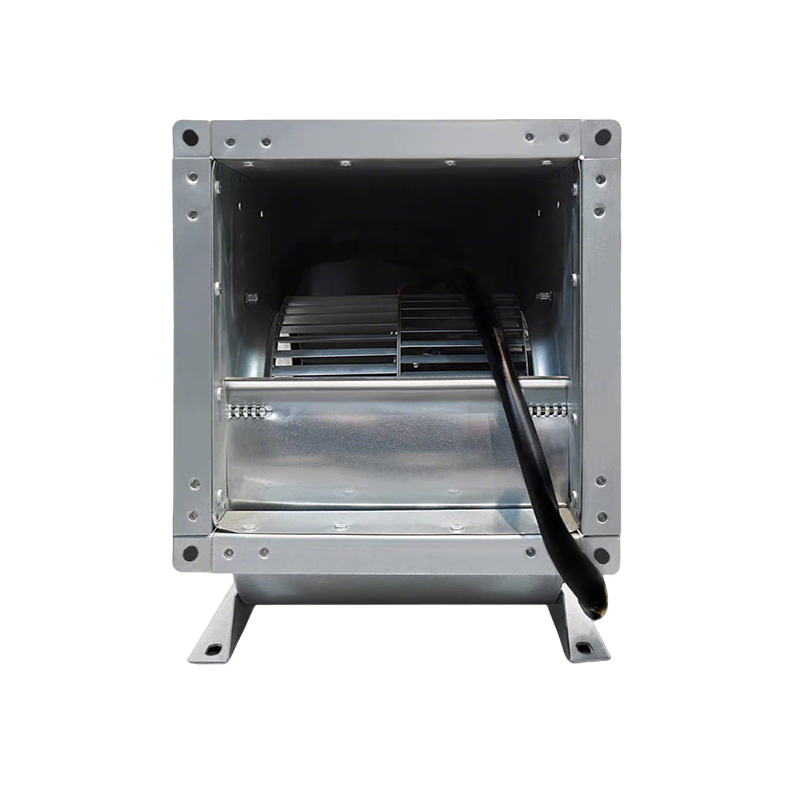
Ventilation equipment works continuously in many buildings, which tends to make routine inspection part of normal operation rather than an occasional task.
Dust tends to gradually collect on moving parts and around the housing. Even when the surrounding environment appears clean, small particles may build up after extended use. Removing that accumulation tends to help maintain fairly unobstructed airflow.
A few routine maintenance practices are commonly included:
Visual inspection often tends to provide useful information before larger maintenance work becomes necessary. Changes in surface condition, unusual vibration, or altered airflow may suggest that a closer examination is worthwhile.
Cleaning probably doesn't need overly complicated procedures. Regular attention tends to let technicians notice gradual changes that might otherwise go unnoticed.
Fastening areas also deserve fairly periodic review. Normal operation creates continuous movement, so checking mounting points during maintenance tends to support stable installation over time.
Maintenance records tend to become more valuable as operating time increases. Notes from previous inspections tend to help technicians compare changes and understand how equipment behaves throughout ordinary use.
Good maintenance tends to come more from consistency than from complexity.
Production tends to begin long before equipment reaches the installation site. Every manufacturing stage tends to contribute to how finished products behave during everyday operation.
Material preparation is one part of that process. Consistent raw materials tend to support stable assembly and help components fit together roughly as intended.
Processing accuracy also tends to influence production quality. Fan blades, housings, and rotating parts tend to need suitable alignment so that each finished unit follows the planned structure reasonably closely.
Assembly work connects individual components into one complete product. Small differences during assembly may influence later operation, which tends to make careful production management fairly important.
Inspection is another practical stage. A typical Axial Flow Fan Manufacturer tends to review finished equipment before shipment to confirm that components have been assembled according to production requirements. Inspection tends to help identify visible issues before equipment enters service.
Production usually tends to include attention to:
Manufacturing quality tends to connect fairly closely with repeatability. Buyers often expect equipment ordered at different times to maintain roughly similar structural characteristics, which tends to make production consistency an important consideration.
Ventilation equipment is often chosen as part of a larger building project, so selection usually tends to depend on installation conditions rather than appearance alone.
| Comparison Item | Practical Purpose | Selection Consideration |
|---|---|---|
| Installation Space | Equipment fitting | Match room layout |
| Airflow Direction | Ventilation planning | Review application |
| Housing Structure | Daily operation | Consider maintenance |
| Maintenance Access | Future servicing | Allow inspection |
| Manufacturing Consistency | Product stability | Review supplier information |
Installation space probably deserves attention because available room may limit equipment size or mounting position.
Airflow direction should also generally match the planned ventilation path. Air leaving the fan should tend to support circulation rather than creating unnecessary obstruction.
Maintenance access tends to become useful after installation. Equipment that can be inspected without removing surrounding structures often tends to simplify routine servicing.
Manufacturing information provides another reference point. Understanding production methods, inspection procedures, and available documentation may help buyers compare different solutions a bit more effectively.
Selection generally tends to become a little easier when attention stays on actual operating requirements instead of appearance alone.
Indoor buildings continue to change as layouts become more flexible and working environments develop new requirements. Ventilation equipment tends to follow those changes by adapting to different installation conditions and operating habits.
Modern buildings often contain several functional areas within one structure. Offices, storage spaces, equipment rooms, and work areas may all require somewhat different airflow arrangements while remaining part of the same ventilation system.
Maintenance has also tended to become part of equipment planning. Easier inspection, practical installation, and convenient access all tend to support everyday operation after the fan has entered service.
For an Axial Flow Fan Manufacturer, product development often tends to reflect practical application rather than appearance alone. Housing structure, installation flexibility, component arrangement, and maintenance access all tend to receive attention because they tend to influence daily operation inside real buildings.
A Low Noise Axial Fan tends to fit fairly naturally into many indoor ventilation systems where airflow, operating comfort, installation planning, and maintenance all work together to some degree. Looking at the complete environment instead of one individual feature often tends to provide a clearer basis for equipment selection and longer-term use.
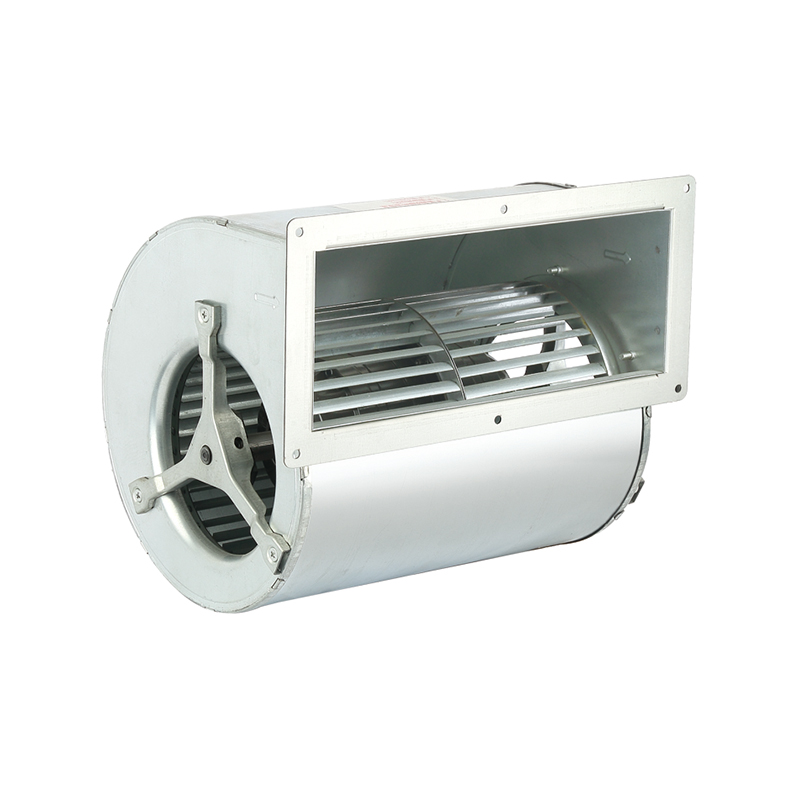
The DKT-133 Cooling Ventilation Double Inlet Air Conditioning Fan is d...
See Details
The DKT-146 Multi-Function Variable Frequency Double Inlet Air Conditi...
See Details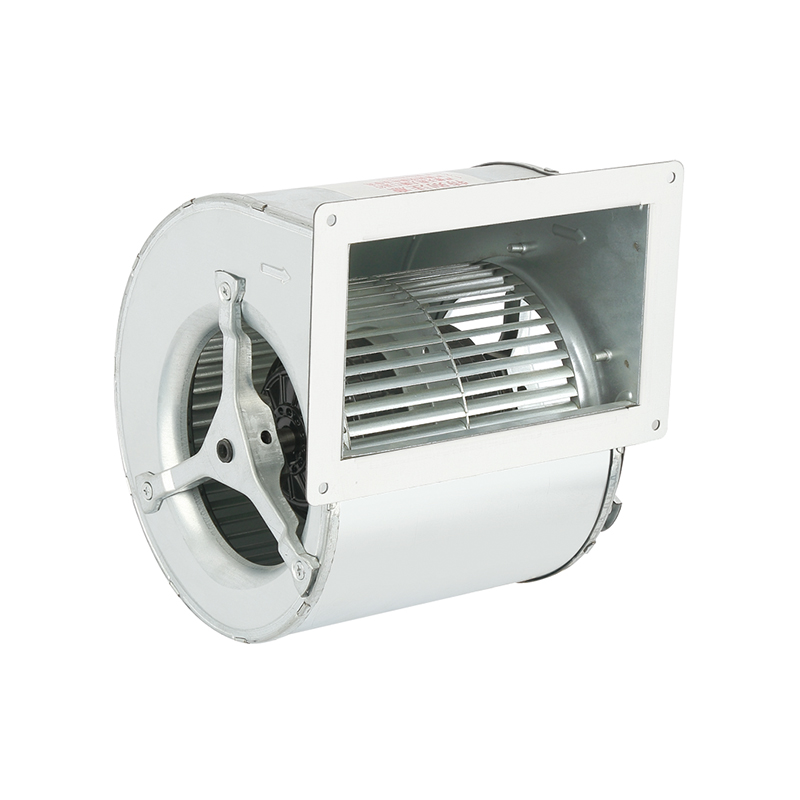
The DKT-160 Heat Dissipation Exhaust Double Inlet Air Conditioning Fan...
See Details
The DKT-180 Tilt Back Cool Down Double Inlet Air Conditioning Fan, a s...
See Details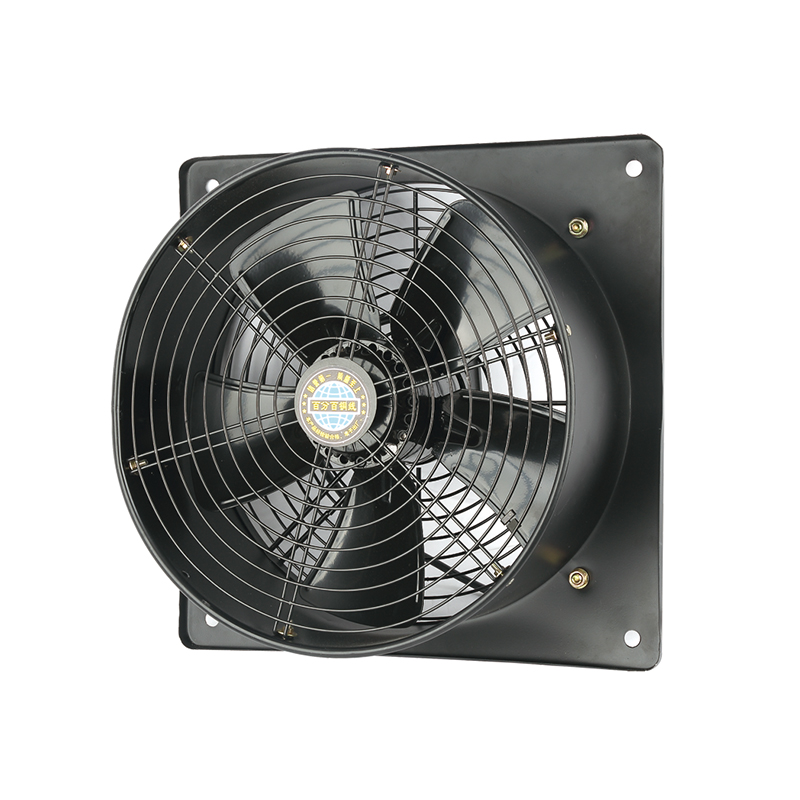
The YWF-400-2D2E Efficient Square form Axial fan is designed with a fo...
See Details
The YWF-350-2D2E Low noise Square form Axial Fan is designed with a co...
See Details
The YWF-350-4D4E Low vibration Square form Axial Fan is a outstanding ...
See Details
The YWF-400-4D4E Durable Square form Axial Fan is designed with advanc...
See Details
Qinlang focuses on providing high-quality products and considerate services, and is committed to meeting every expectation of our customers.
© Zhejiang Qinlang Electromechanical Co., Ltd.
Fans And Air-Cooling Equipment Factory
