 English
 русский
 عربى
عربى Español
Qinlang focuses on providing high-quality products and considerate services, and is committed to meeting every expectation of our customers.
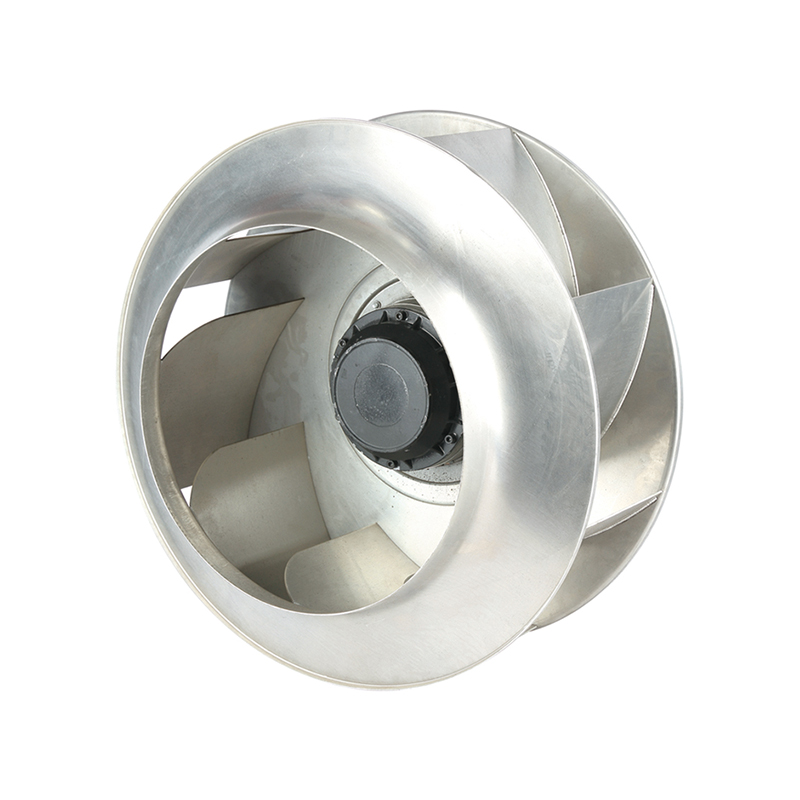
The DKT-133 Cooling Ventilation Double Inlet Air Conditioning Fan is d...
See Details
Quiet fan operation begins with stable rotation. When rotating mass is not distributed evenly around the shaft, each revolution can create a repeated force. Vibration then travels through bearings, housing, supports, and nearby structures, where a small mechanical disturbance may become much easier to hear.
For a Low Noise Axial Fan, noise cannot be viewed only as an airflow issue. Air movement naturally creates sound, while mechanical vibration adds another layer. An unbalanced rotor can make the housing move slightly, and surrounding parts may respond to that movement.
Several conditions can disturb balance during service:
Accumulated material deserves particular attention in environments with dust or particles. Even a small difference in mass from one side of a rotating assembly to another can alter its behavior.
Noise may also change before a visible mechanical problem appears. A new hum, low‑frequency vibration, or repeated rattling can provide an early reason to inspect the rotating assembly and its surroundings.
Balance determines how evenly a rotating assembly moves around its center. When mass is distributed unevenly, rotation creates a repeating force that acts on the shaft and supporting components.
As speed rises, the effect of an imbalance can become more noticeable. Bearings receive alternating forces, while the housing and mounting structure respond to the movement. Technical guidance on fan vibration identifies impeller imbalance as one source of structural vibration, alongside aerodynamic forces and drive‑related effects.
Vibration does not remain isolated inside the rotating assembly. A typical transmission path can look like:
Blade or Rotor → Shaft → Bearing → Housing → Mounting Structure
Each connection can influence how much movement reaches the surrounding environment. A rigid support may transmit vibration differently from a flexible structure, while a lightweight panel may make certain sounds easier to notice.
Balance therefore needs to be considered together with installation. Correcting a rotor without checking the mounting structure may leave part of the noise problem unresolved.
A useful distinction is also needed between imbalance and other sources of vibration. Misalignment, loose fasteners, worn bearings, and aerodynamic disturbances can produce similar symptoms. Noise alone cannot identify the exact cause.
A fan may leave production with a suitable balance condition, yet operating surroundings can change that condition. Dust, moisture, residue, and small physical impacts can gradually alter blade surfaces.
Uneven deposits are particularly relevant because material does not always collect evenly across all blades. One area may accumulate more residue than another, creating a new mass distribution.
Cleaning can also change the condition of a rotor. Removing deposits may restore the original surface, while careless handling during cleaning can create another problem through bending or damage.
Maintenance work deserves similar attention. Removing and reinstalling rotating parts can affect their original position, especially when assembly surfaces are not kept clean or components are not fitted correctly.
A simple inspection routine can focus on:
Such checks help connect a new symptom with a possible recent change. A sudden increase in vibration after cleaning or repair should not automatically be blamed on the fan itself; installation and assembly conditions also need review.
Vibration and noise are related, although they are not identical. A rotating component can vibrate without creating a strong audible sound, while a relatively small vibration can become noticeable when a nearby structure responds strongly.
Housing panels, brackets, ducts, and mounting frames can act as transmission paths. Once movement reaches a larger surface, the surface may radiate sound into the surrounding area.
Airflow creates another source. Blade movement changes pressure and air velocity around the rotor, producing aerodynamic sound. Research on axial‑flow fans shows that blade spacing, airflow interaction, and other aerodynamic conditions can influence the character of radiated noise.
For that reason, a noisy fan should not immediately be treated as an unbalanced fan.
| Observation Area | Worth Checking |
|---|---|
| New low mechanical hum | Rotor balance and mounting |
| Noticeable vibration | Rotating parts and support |
| Strong airflow noise | Inlet and outlet conditions |
| Noise after maintenance | Assembly and alignment |
| Rattling sound | Loose housing or mounting parts |
Such a comparison does not identify a fault by itself. It provides a starting point for inspection.
Blade condition has a direct relationship with rotating balance. Each blade contributes to the overall mass distribution, so changes to one blade can influence the behavior of the complete assembly.
Deposits are one concern. Dust, sludge, or other material can attach to blade surfaces and produce uneven weight distribution. Physical damage presents another possibility. A bent edge or altered blade shape can change both mass distribution and airflow.
Blade condition can therefore influence two areas at once: mechanical behavior and air movement.
For a Low Noise Axial Fan, maintaining consistent blade condition helps keep those two effects easier to control. A damaged blade may create turbulence while also changing the rotating load.
Inspection should focus on differences between blades rather than checking only one surface. Uneven deposits or visible changes may become easier to recognize when blades are compared with one another.
Careful handling during maintenance also matters. Blades are working components rather than convenient points for pulling, pushing, or supporting the assembly. Rough handling can create small changes that later appear as vibration during operation.
Balance and airflow should be treated as connected areas rather than completely separate problems. A rotor that does not rotate smoothly can disturb the surrounding structure, while airflow conditions can create their own pressure fluctuations and sound.
Blade movement produces changing air pressure as each blade passes through the surrounding flow. Inlet conditions, outlet restrictions, nearby structures, and blade spacing can influence the resulting sound. Research into axial‑flow fans has shown that aerodynamic interactions can affect tonal and broadband noise characteristics.
Mechanical balance still matters because it controls a different part of the problem. A fan may have reasonable airflow behavior and still produce unwanted vibration because of an uneven rotating mass.
For maintenance teams, separating the two questions can make inspection more useful:
Both questions need attention when quiet operation is important.
A change in airflow noise without a matching rise in mechanical vibration may point toward an aerodynamic issue. A new mechanical hum accompanied by stronger vibration may justify checking balance, mounting, and rotating components.
Fan balance cannot be separated from the structure holding the unit in place. A rotating assembly may run in a reasonably stable condition, while a weak or poorly fitted support allows vibration to travel into nearby panels, frames, or ducts.
Mounting surfaces can respond differently to the same mechanical movement. A rigid frame may transfer vibration directly into surrounding equipment, while a flexible panel can move with the vibration and create an audible humming or rattling sound.
Loose fasteners can add another layer of noise. Small movements between connected parts may produce repeated contact during rotation, creating a sound that seems to come from the fan even though the source lies around the mounting area.
For quiet operation, inspection should therefore include:
Position also matters. A fan installed close to a wall or inside a confined structure may produce a different sound pattern from a unit operating in open space. Reflected sound can make a normal operating noise seem stronger from certain positions.
Such conditions do not mean the rotating assembly is faulty. Noise needs to be assessed together with vibration, airflow, and mounting stability.
A sudden change in sound deserves attention, especially when normal operation had remained stable for a long period. Rather than immediately adjusting the rotating assembly, a step‑by‑step inspection can help narrow down the source.
Start with the change itself. A new humming sound, intermittent rattle, stronger vibration, or unusual airflow noise can point toward different areas.
A practical inspection order is:
Sound Change → Vibration → Blade Condition → Mounting → Airflow
Sound Change
Listen for whether the new sound remains constant or follows the rotation. A repeated sound that rises and falls with rotation may deserve closer attention around the rotor and support system.
Vibration
Check whether the housing, frame, or nearby structure is moving more than before. Visible movement can provide useful information, although absence of visible movement does not necessarily mean there is no vibration.
Blade Condition
Look for uneven deposits, deformation, damage, or anything attached to one area of the rotating assembly. Blade surfaces should be inspected without putting unnecessary force on them.
Mounting
Check whether fasteners, brackets, and connecting parts remain secure. A loose support can create noise even when the rotor itself is in reasonable condition.
Airflow
Look at changes around the inlet and outlet. Blocked passages, nearby obstructions, or altered duct conditions can change airflow noise without a mechanical balance problem.
Using an ordered inspection helps prevent one symptom from being mistaken for a complete diagnosis.
Production quality has an important role in maintaining stable rotation. An Axial Flow Fan Manufacturer needs to consider balance during assembly rather than treating it as a concern only after installation.
Blade consistency matters because each rotating section contributes to the overall behavior of the assembly. Small differences in shape, mass, or position can influence how the rotor moves.
Assembly also requires attention to the relationship between shaft, rotating parts, and supporting components. Poor positioning can create vibration even when individual parts appear acceptable when inspected separately.
Manufacturing checks may focus on:
A production check cannot account for every condition that may appear during service. Dust accumulation, physical impact, maintenance work, and mounting changes happen after installation, so field inspection remains necessary.
For an Axial Flow Fan Manufacturer, balancing work is therefore connected with several stages of production. Component preparation, assembly, testing, and final inspection all influence how smoothly a finished unit rotates.
Quiet operation depends on more than reducing airflow sound. Mechanical vibration can become an additional source of unwanted noise when rotating parts are not moving evenly.
A balanced rotating assembly helps limit unnecessary forces during operation. Reduced vibration also places less movement into the housing and support structure, making it easier to control sounds produced around the unit.
For a Low Noise Axial Fan, several conditions need to work together:
Changing one factor may not solve a noise issue when another source remains active. For example, correcting an imbalance may reduce mechanical vibration while airflow turbulence continues to produce a separate sound.
A quieter operating environment therefore comes from controlling several sources rather than relying on one adjustment.
Balance can change gradually during service, so inspection should not begin only after unusual noise becomes obvious. Regular observation provides an opportunity to notice small changes before they become more disruptive.
Visual checks can reveal dust accumulation, damaged blades, loose connections, or changes around mounting points. Listening during normal operation can also help identify a new sound pattern.
Maintenance records can be useful when a unit has been serviced repeatedly. A change that appears after cleaning, component replacement, or relocation may provide a useful clue when investigating later vibration.
Cleaning requires particular care around rotating parts. Removing material from one area while leaving deposits elsewhere may create an uneven condition. Physical contact with blades can also change their shape.
Inspection should therefore combine cleaning with condition checking rather than treating cleaning as the only task.
Stable balance contributes to smoother mechanical operation, while stable mounting helps prevent vibration from spreading through surrounding structures. Blade condition and airflow also need continued attention as operating conditions change.
A simple maintenance approach can follow a repeated cycle:
Inspect → Clean Carefully → Check Mounting → Observe Rotation → Review Noise
Such a cycle keeps attention on changes rather than waiting for a clear fault.
Environmental conditions can influence how often inspection is needed. Areas with dust, moisture, airborne particles, or frequent equipment movement may place different demands on fan maintenance.
Long‑term operation also depends on correct installation. A balanced fan installed on an unstable support can still create noticeable vibration, while a stable structure cannot compensate for a damaged or heavily unbalanced rotating assembly.
Quiet operation is therefore a combined result of mechanical condition, airflow behavior, mounting stability, and maintenance practice.
Fan balance matters because every rotating component interacts with its surroundings. Uneven mass distribution can create repeated forces, those forces can become vibration, and vibration can travel through the housing and mounting structure before becoming audible noise.
Airflow creates another part of the sound picture, so mechanical balance should not be treated as the only factor. Blade condition, inlet conditions, outlet conditions, installation, and surrounding structures can all influence what people hear during operation.
A well‑controlled rotating assembly gives maintenance and production teams a clearer starting point. When vibration remains stable, changes in sound can be easier to associate with other conditions such as airflow obstruction, loose mounting, or blade contamination.
For a Low Noise Axial Fan, quiet performance is therefore closely related to steady mechanical behavior. Attention during production, careful installation, suitable maintenance, and regular observation can work together to keep unwanted vibration under control.
From the manufacturing side, an Axial Flow Fan Manufacturer can address balance through component consistency, assembly checks, rotation testing, and inspection procedures. After installation, operating conditions take over, making proper cleaning, mounting checks, and condition monitoring equally relevant.
Fan noise rarely comes from one isolated cause. Mechanical balance provides one important part of the picture, especially when vibration appears together with a new or changing sound. Recognizing that connection allows troubleshooting to remain focused on the actual source rather than treating every noise change as an airflow problem.
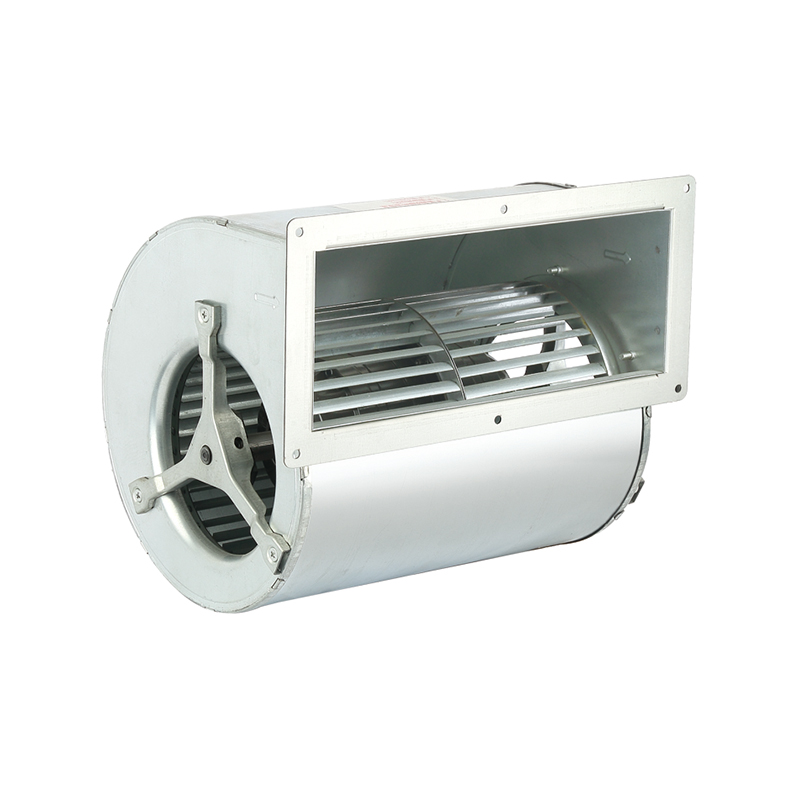
The DKT-133 Cooling Ventilation Double Inlet Air Conditioning Fan is d...
See Details
The DKT-146 Multi-Function Variable Frequency Double Inlet Air Conditi...
See Details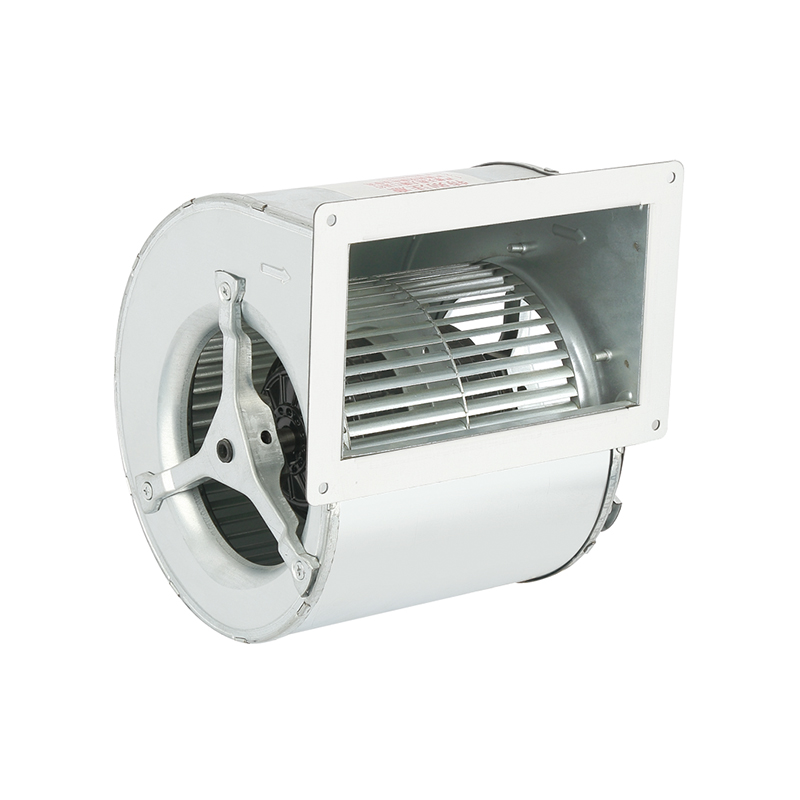
The DKT-160 Heat Dissipation Exhaust Double Inlet Air Conditioning Fan...
See Details
The DKT-180 Tilt Back Cool Down Double Inlet Air Conditioning Fan, a s...
See Details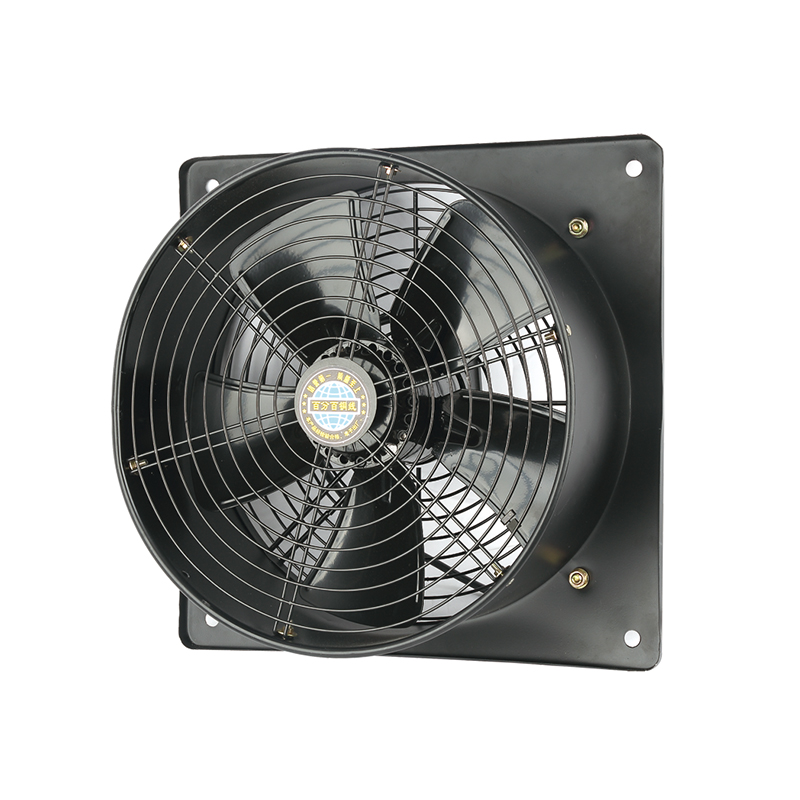
The YWF-400-2D2E Efficient Square form Axial fan is designed with a fo...
See Details
The YWF-350-2D2E Low noise Square form Axial Fan is designed with a co...
See Details
The YWF-350-4D4E Low vibration Square form Axial Fan is a outstanding ...
See Details
The YWF-400-4D4E Durable Square form Axial Fan is designed with advanc...
See Details
Qinlang focuses on providing high-quality products and considerate services, and is committed to meeting every expectation of our customers.
© Zhejiang Qinlang Electromechanical Co., Ltd.
Fans And Air-Cooling Equipment Factory
