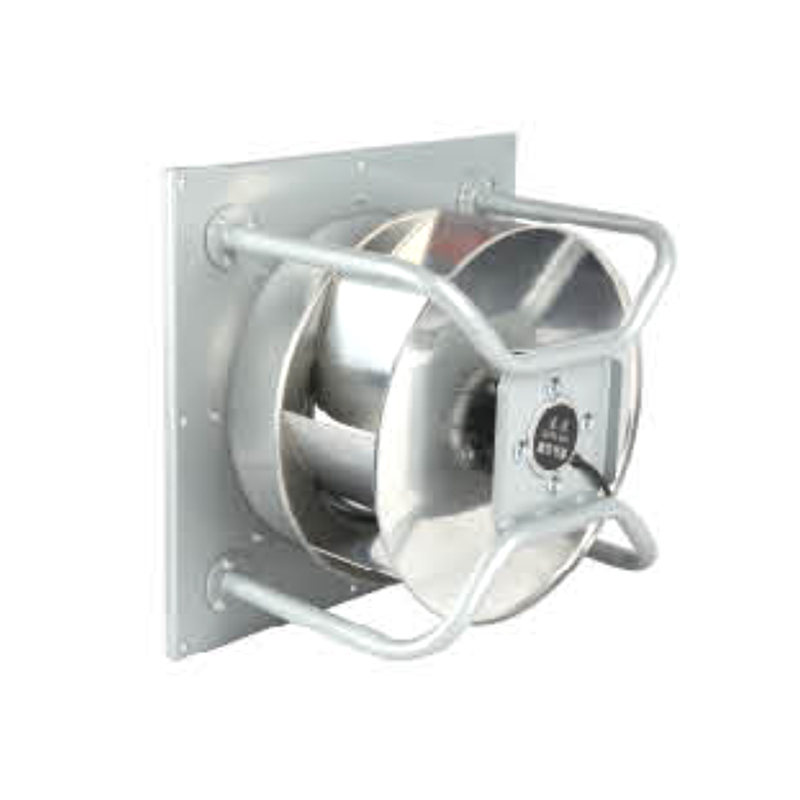
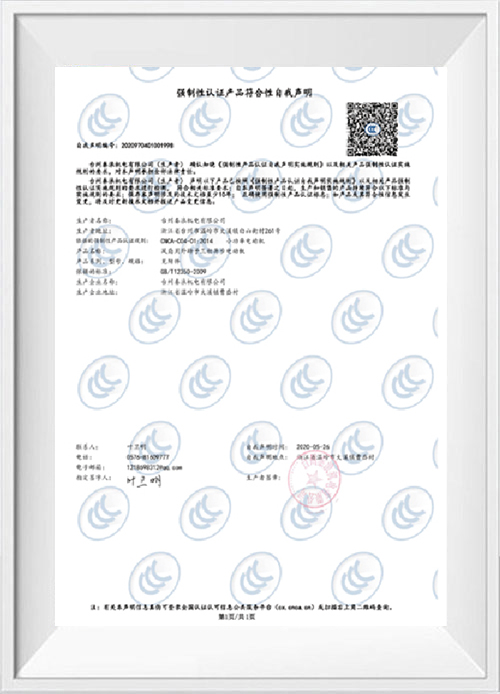
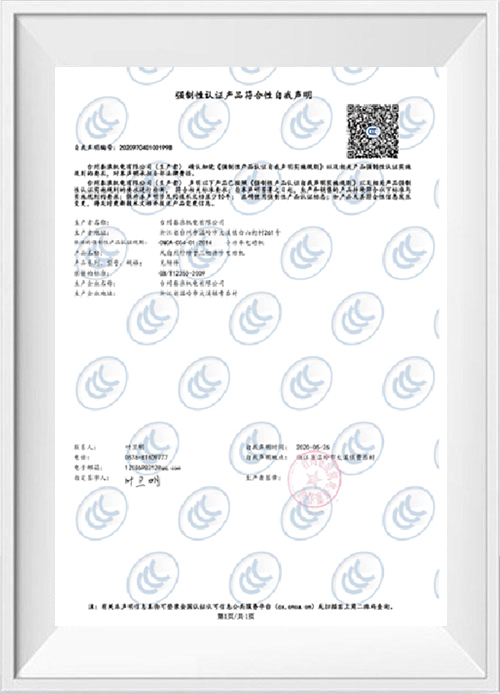
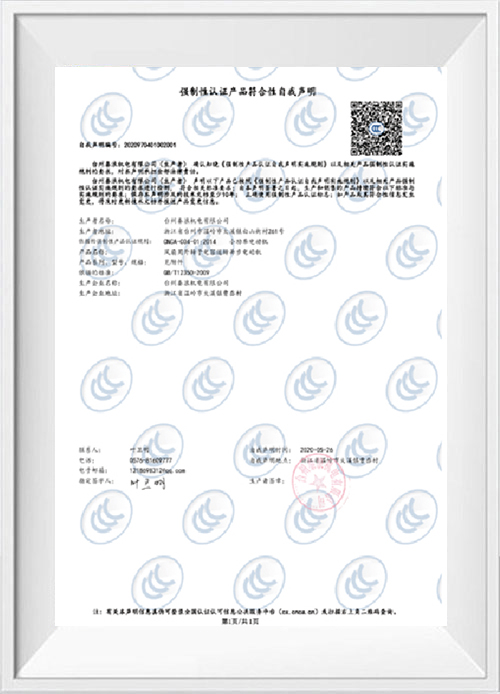
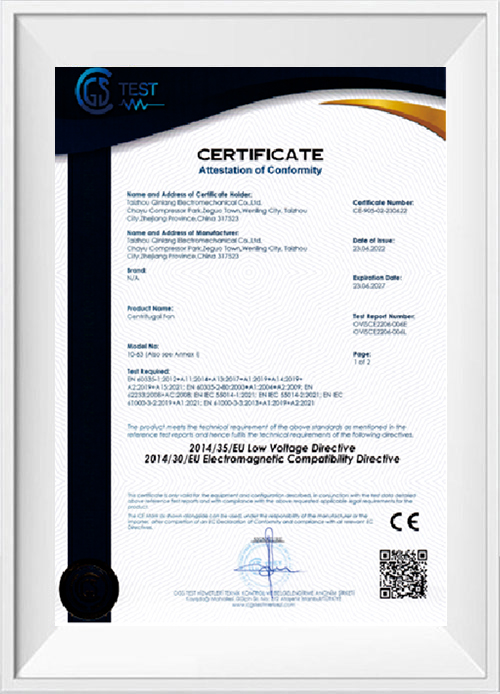
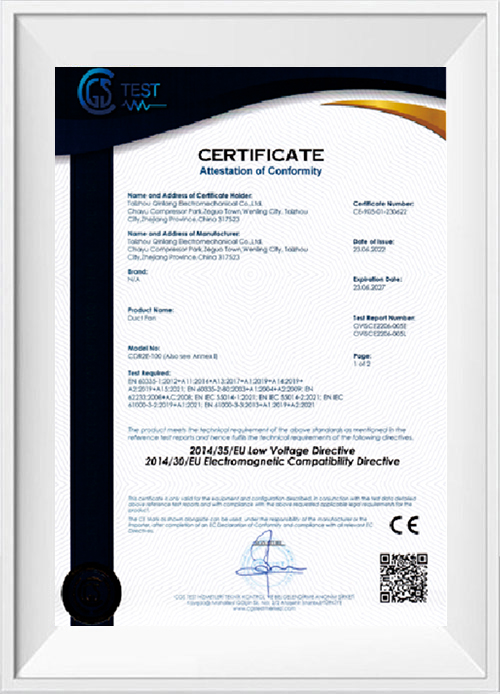
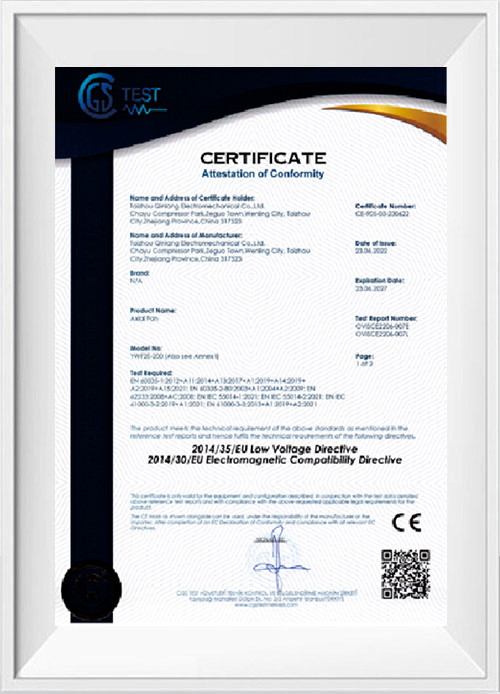
The AC-450 Industrial Cooling Circular Coaxial Centrifugal Fan is built for industrial ventilation, equipment cooling and general air circulation. The circular coaxial structure keeps airflow steady without taking up much room. You can put it to work in factories, warehouses, workshops and other places where the air needs to keep moving all day.
Materials and Structural Features
The fan is made from durable, corrosion-resistant materials, so it can cope with demanding industrial conditions. It's designed for regular use, dust exposure and shifting working conditions. Its compact circular shape also cuts down the space needed for installation.
The coaxial centrifugal design moves air efficiently and keeps the flow stable. It fits into a range of ventilation systems, whether you're setting up new equipment or working with a system that's already in place.
Key Features and Advantages
- High Airflow Efficiency: Delivers steady airflow for cooling machinery, electronic equipment and industrial spaces.
- Energy-Efficient Operation: Aims to use less power while still meeting the ventilation performance you need.
- Low Operating Noise: Keeps noise in check, so it works in many kinds of workplaces.
- Corrosion Resistance: The materials protect the fan against moisture and some corrosive conditions.
- Compact Design: The circular structure saves space and suits areas where room is tight.
- Easy Maintenance: A fairly simple structure makes routine cleaning, inspection and part replacement more convenient.
- Flexible Configuration: Airflow, mounting arrangements and extra features can be adjusted to fit the application.
Areas of Application
The AC-450 suits factory ventilation, warehouse air circulation, industrial equipment cooling, electronic system ventilation and machinery cooling. It also works in enclosed spaces where heat has to be pushed out by forced airflow.
Thanks to its compact build, it fits both new ventilation installations and equipment upgrades.
Important Considerations
Before installing, check the airflow you need, the operating environment, the mounting space and the power supply. Choose the fan based on the real cooling load and the ventilation layout.
In humid or dusty settings, think about material compatibility and what protection is required. Clean the fan regularly, since dust buildup can hurt airflow. Also watch for unusual noise, vibration and loose connections.
Leave enough space around the air inlet and outlet. Good installation and routine maintenance keep the fan running steadily and cut down on avoidable downtime.

 English
 русский
 عربى
 Español